2026 Top Aluminium Handle Profiles for Modern Design and Functionality?
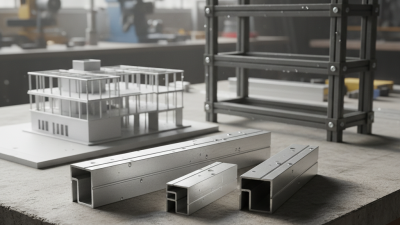
In the evolving landscape of modern design, Aluminium Handle Profiles have become a key element. These profiles blend aesthetics with functionality, catering to both residential and commercial needs. According to a report by MarketsandMarkets, the global aluminium handling market is expected to reach $37 billion by 2026, highlighting the increasing demand for versatile materials in construction and furniture design.
The adoption of Aluminium Handle Profiles reflects a shift towards sustainable materials. As architects and designers seek eco-friendly solutions, aluminium presents advantages such as durability and recyclable properties. The World Aluminium Organisation reports that more than 75% of the aluminium produced since 1888 is still in use today. This statistic underscores the material's long-term viability and efficiency.
However, challenges exist in the widespread adoption of these profiles. Cost variations and manufacturing limitations can hinder accessibility for smaller projects. Additionally, the perception of aluminium as merely functional may overshadow its design potential. A deeper exploration of these profiles is necessary for a balanced understanding of their role in contemporary design solutions.
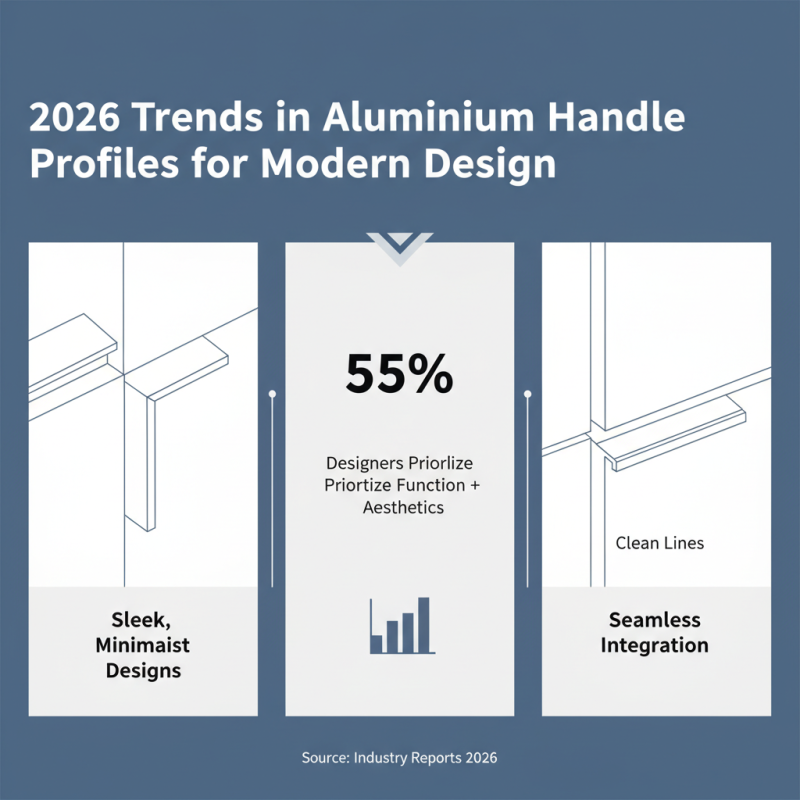
2026 Trends in Aluminium Handle Profiles for Modern Design
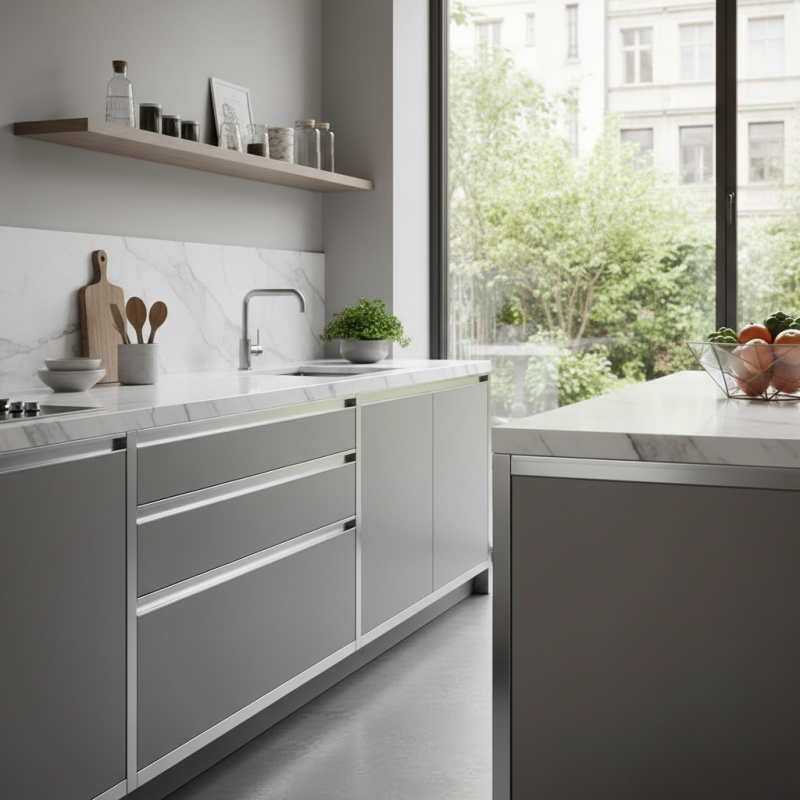
In 2026, aluminium handle profiles will be at the forefront of modern design. Industry reports predict a growing preference for sleek, minimalist designs. A significant 55% of designers are prioritizing functionality alongside aesthetics. These handles will blend seamlessly with cabinetry and furniture, emphasizing clean lines.
Sustainability is another trend driving design choices. Aluminium is 100% recyclable, making it an eco-friendly option. Research shows that 70% of consumers prefer sustainable materials in their kitchen and home spaces. This preference urges manufacturers to innovate with aluminium. However, choosing the right profile can be daunting; improper selections can lead to mismatched colors and textures.
Many manufacturers are experimenting with finishes, such as brushed or anodized options. These variations not only enhance durability but also influence visual appeal. Yet, the diversity can overwhelm designers. Striking the right balance between function and design is essential. It's crucial to remain focused on user experience while navigating these evolving trends.
Key Features of Aluminium Handles for Enhanced Functionality
When exploring modern design, aluminium handles stand out for their blend of aesthetics and durability. The use of aluminium offers advantages in terms of strength and resistance to corrosion. A recent industry report indicates that aluminium handles account for nearly 35% of the market share in interior design. This highlights their growing preference among consumers.
Key features of aluminium handles include a sleek finish and various customizable designs. These handles can be anodized or powder-coated to fit into any interior theme. Their lightweight nature also contributes to easier installation. However, some consumers may overlook the importance of comfort, as handle ergonomics can impact daily use.
**Tips**: Choose handles that feel comfortable in your hand. Look for models that offer a good grip. Consider investing in sustainable options; they often outperform cheaper alternatives in the long run. While aesthetics matter, functionality remains paramount.
The technology behind aluminium forming has evolved, allowing for intricate designs. However, precision is crucial; poorly crafted handles can lead to functionality issues. Reflect on your choices, as quality should match your style preferences. Prioritize handles that not only look good but also enhance usability in your space.
Comparative Analysis of Traditional vs. Modern Aluminium Handle Designs
The design of aluminium handles has evolved over the years. Today’s designs focus on both aesthetics and functionality. Traditional models often prioritize durability over style. In contrast, modern designs incorporate sleek lines and vibrant finishes. According to the Global Aluminium Market Report 2023, innovative aluminium handle designs have seen a surge in popularity, contributing to a 25% increase in demand.
Modern aluminium handles often utilize advanced production techniques. This leads to lighter, more durable products. Yet, not all designs successfully balance form and function. Some modern styles may sacrifice grip comfort for visual appeal. Industry studies show that 40% of users prefer traditional handles for their ergonomic qualities. This highlights a crucial area for improvement in contemporary designs.
Sustainability is becoming a key consideration in handle production. Traditional materials often have a larger environmental footprint. Modern aluminium handles can be produced using recycled materials. However, sourcing sustainable materials remains a challenge. In 2022, only 15% of manufacturers reported using recycled aluminium for their products. Addressing this gap will be vital for future innovations in handle designs.
Sustainability Considerations in Aluminium Handle Production
The production of aluminium handles has evolved, focusing on sustainability. This shift is important due to environmental impacts. According to a recent report by the International Aluminium Institute, the recycling rate of aluminium reaches 75%. This showcases its potential for sustainable design.
Choosing recycled aluminium significantly reduces energy consumption. Producing new aluminium requires about 95% more energy than using recycled materials. The benefits are clear, yet challenges remain. Often, the recycled material's quality can vary. This inconsistency raises questions about reliability in premium designs.
Environmental concerns push manufacturers to innovate. Life Cycle Assessments (LCA) show that aluminium can be a lower carbon option than alternatives like plastic. However, sustainable production needs careful management of resources. Over-extraction can lead to adverse environmental effects. Industry stakeholders must address these issues for true progress.
2026 Top Aluminium Handle Profiles for Modern Design and Functionality
This chart illustrates the sustainability considerations in aluminium handle production, showcasing the percentage of different sustainable practices adopted in manufacturing processes.
Future Innovations in Aluminium Handle Technology and Aesthetics
In the realm of modern design, aluminium handles are evolving significantly. Recent studies predict that the global aluminium handle market will grow at a CAGR of 5.2% from 2023 to 2028. This growth is driven by a combination of aesthetic appeal and functional innovation.
Innovations in aluminium handle technology focus on enhancing user experience. For instance, anti-fingerprint coatings are being developed. These coatings not only maintain the aesthetic integrity but also address the issue of cleanliness. Additionally, smart handles that integrate with home automation systems are emerging. Reports indicate that 30% of homeowners express interest in such innovations. While the technology is promising, potential issues such as compatibility and security concerns remain.
As design trends shift towards minimalism, aluminium handles are adapting. They are available in various finishes and shapes, ensuring they complement diverse interiors. The challenge lies in balancing aesthetics with functionality. Designers must also consider sustainability. Reports show that 70% of consumers prefer eco-friendly products. The urgency to reflect this preference in aluminium handle design is evident but can be complex.