Top Aluminium Slat Section Profile Uses and Benefits for Your Projects?
Aluminium Slat Section Profile is gaining popularity in various projects. Its versatility and strength make it a top choice for many builders. This profile is used in fencing, gates, and architectural designs. The aesthetic appeal is matched by its functionality.
Using Aluminium Slat Section Profile enhances both privacy and security. It offers a modern look that suits different settings. People often underestimate the impact of quality materials in construction. Investing in this profile can lead to long-term benefits.
Yet, not every project needs it. Some might find alternatives that fit their budget better. Reflection on project requirements is essential. Choosing wisely ensures the best outcomes. The right profile can change the entire atmosphere of a space.
Overview of Aluminium Slat Section Profiles
Aluminium slat section profiles are versatile materials widely used in various projects. Their lightweight nature and strength make them popular for both indoor and outdoor applications. They can be found in fencing, gates, privacy screens, and even in furniture design. This adaptability is one reason many designers favor them.
When selecting aluminium slat profiles, think about the finish. Anodized or powder-coated finishes can enhance durability and aesthetics. The width of the slats can also play a significant role in design. Wider slats might provide better privacy but require more material. In contrast, narrower slats can create a more open feel.
Tip: Consider the intended use of these profiles. Will they be exposed to harsh weather? If so, ensure you choose a corrosion-resistant option. Also, think about maintenance. Some finishes may need more care than others.
It’s crucial to reflect on the available space. Too many slats can overpower a small area. A careful balance can enhance your design. Remember, simplicity often leads to elegance.
Common Applications of Aluminium Slat Section Profiles
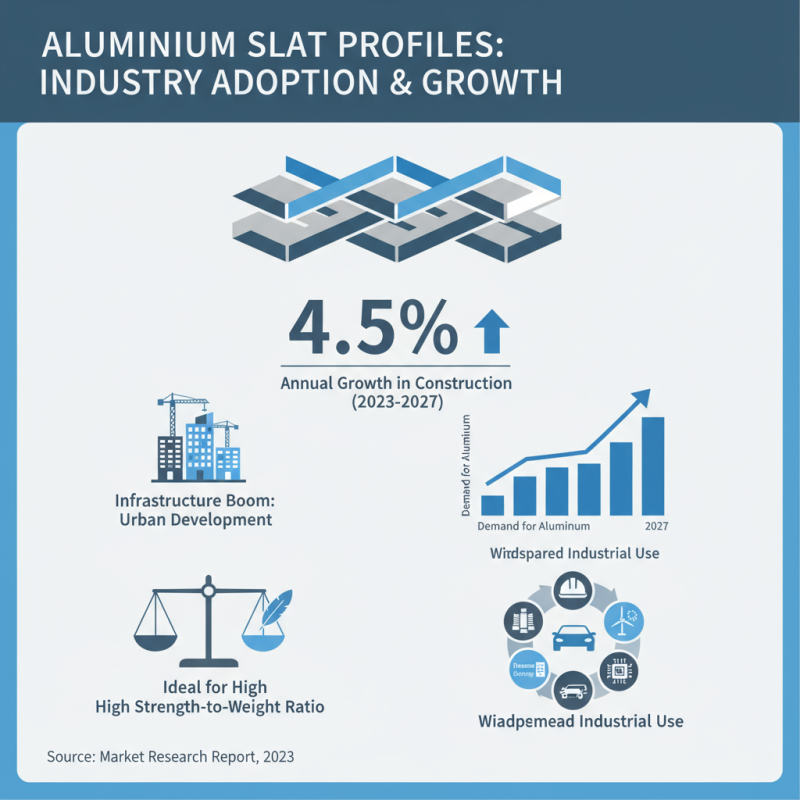
Aluminium slat section profiles have gained widespread use across various industries. Their lightweight nature makes them ideal for applications demanding strength without added weight. According to a recent market research report, the demand for aluminium in construction is projected to grow by 4.5% annually through 2027. This growth stems from increased infrastructure projects, especially in urban areas.
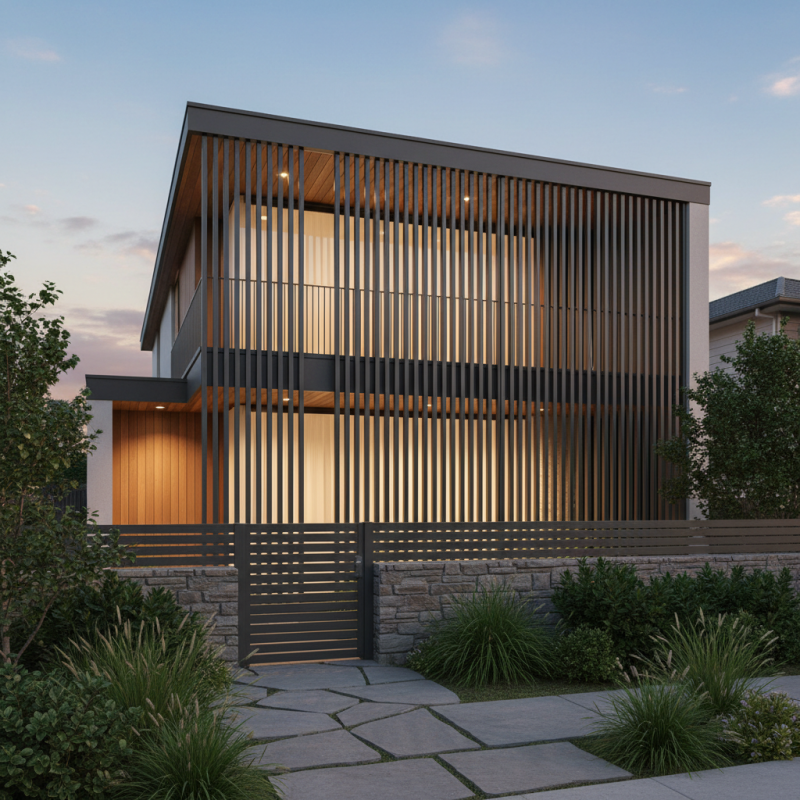
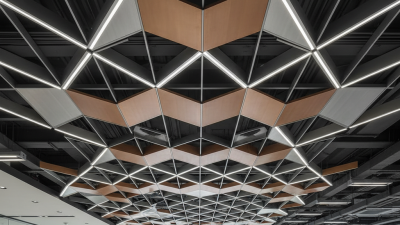
A common application of aluminium slat profiles is in architectural designs. They provide modern aesthetics for privacy screens and fencing. Their flexibility allows for innovative designs, making them appealing to architects. Moreover, they are often chosen for outdoor furniture due to their resistance to corrosion and weather elements. Their lifespan can exceed a decade, reducing replacement costs over time.
However, some concerns persist. While these profiles are durable, improper installation can lead to issues. The necessity of skilled labor for installation might increase project costs. Moreover, different finishes can affect longevity and appearance, which demands careful selection. Balancing aesthetics and functionality requires thoughtful planning.
Key Benefits of Using Aluminium Slat Section Profiles
Aluminium slat section profiles are gaining popularity in construction and design due to their numerous advantages. These profiles are lightweight yet strong. According to a recent industry report, aluminium's strength-to-weight ratio is approximately three times that of steel. This makes it a preferred choice for various applications, such as fencing, cladding, and shading solutions.
One key benefit of using aluminium slat sections is their durability. They resist corrosion and weathering. This results in lower maintenance costs over time. A study indicates that buildings using aluminium can extend lifecycle expectations by 20-30% compared to traditional materials. Additionally, aluminium is highly recyclable, which appeals to sustainable building practices.
Cost-effectiveness is another important aspect. While the initial investment may be higher, the long-term savings on repairs and replacements are significant. However, the need for careful design and engineering is paramount to ensure optimal performance. Poor design may lead to structural weaknesses or aesthetic drawbacks. Overall, aluminium slat section profiles present practical benefits, but they require thoughtful implementation for the best results in projects.
Top Aluminium Slat Section Profile Uses and Benefits
Comparative Analysis: Aluminium vs. Other Materials
When considering materials for construction and design, aluminium slat sections stand out. Their lightweight nature is beneficial for various projects. Aluminium can be easily shaped and customized to fit unique designs. Other materials like wood or steel might offer different advantages, but they often come with heavy maintenance needs and higher costs.
Compared to wood, aluminium doesn't warp or rot. It can withstand harsh weather and is resistant to corrosion. While wood offers a classic aesthetic, it often requires regular treatments to prevent decay. Steel, on the other hand, is strong but heavy. Transporting and handling steel can be cumbersome. Aluminium, although it can be dented, remains a popular choice for many architects and builders.
Each material has its downsides. Aluminium can be prone to scratches, impacting its appearance over time. Wood can be beautiful but may not last as long without proper upkeep. Evaluating these aspects is crucial for any project. Understanding the strengths and weaknesses of each material can lead to better choices in design.
Top Aluminium Slat Section Profile Uses and Benefits for Your Projects
| Feature |
Aluminium |
Steel |
Wood |
PVC |
| Weight |
Lightweight |
Heavy |
Lightweight |
Lightweight |
| Durability |
Highly Durable |
Durable |
Moderate |
Less Durable |
| Corrosion Resistance |
Excellent |
Poor |
None |
Good |
| Maintenance |
Low Maintenance |
Moderate Maintenance |
High Maintenance |
Low Maintenance |
| Aesthetics |
Modern Look |
Industrial Look |
Natural Look |
Synthetic Look |
| Cost |
Moderate |
High |
Low |
Moderate |
Installation and Maintenance Tips for Aluminium Slat Profiles
When working with aluminium slat profiles, installation and maintenance play crucial roles in ensuring longevity and performance. Proper installation can prevent issues like warping or misalignment. Industry reports suggest that around 30% of all fitting failures are linked to improper installation techniques. Therefore, attention to detail is key. Ensure the profiles are aligned and secured correctly; this step cannot be rushed.
Maintenance is another vital aspect to consider. Aluminium is known for its resistance to rust, yet it requires regular cleaning. Dust and debris can accumulate and lead to performance degradation over time. Experts recommend cleaning the slats with mild soap and water at least twice a year. Additionally, check for any signs of wear. Small scratches can become areas for corrosion if left untreated. Addressing these promptly can extend the lifespan significantly.
The installation process itself should not be overlooked. Using the appropriate tools is essential. Misusing tools can lead to damage. Not all methods of fixing the slats may work for every project. Using a level during installation can help maintain alignment, significantly reducing future maintenance needs. Striking the right balance between aesthetics and functionality requires careful planning and execution.