What is an Aluminium T Slot Profile and Its Uses?
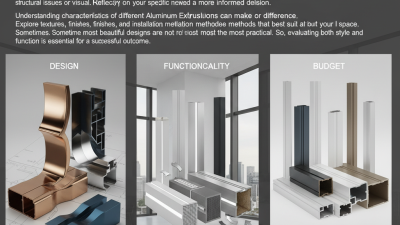
Aluminium T Slot Profile has become essential in various industries. Its versatility and strength make it a favorite for structural applications. According to a recent market report, the global aluminium extrusion market is expected to reach USD 170 billion by 2026. This growth highlights the importance of Aluminium T Slot Profiles in manufacturing and construction.
These profiles are often used to create modular systems. They enable flexibility and customization for different projects. Industries such as automotive, electronics, and furniture production rely heavily on these profiles. However, not all applications are perfect. Some projects face challenges in stability and load capacity when using standard profiles.
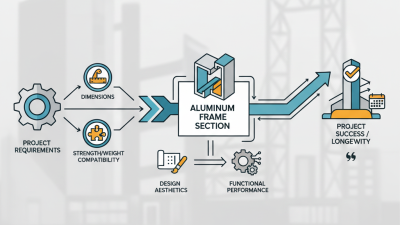
Despite their popularity, selecting the right Aluminium T Slot Profile requires careful consideration. Miscalculating dimensions can lead to structural issues. Understanding the specific needs of a project is crucial. A deeper reflection on design requirements can help prevent costly mistakes and ensure optimal performance.
What is an Aluminium T Slot Profile?
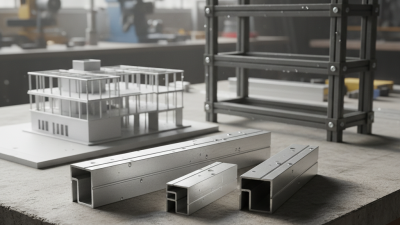
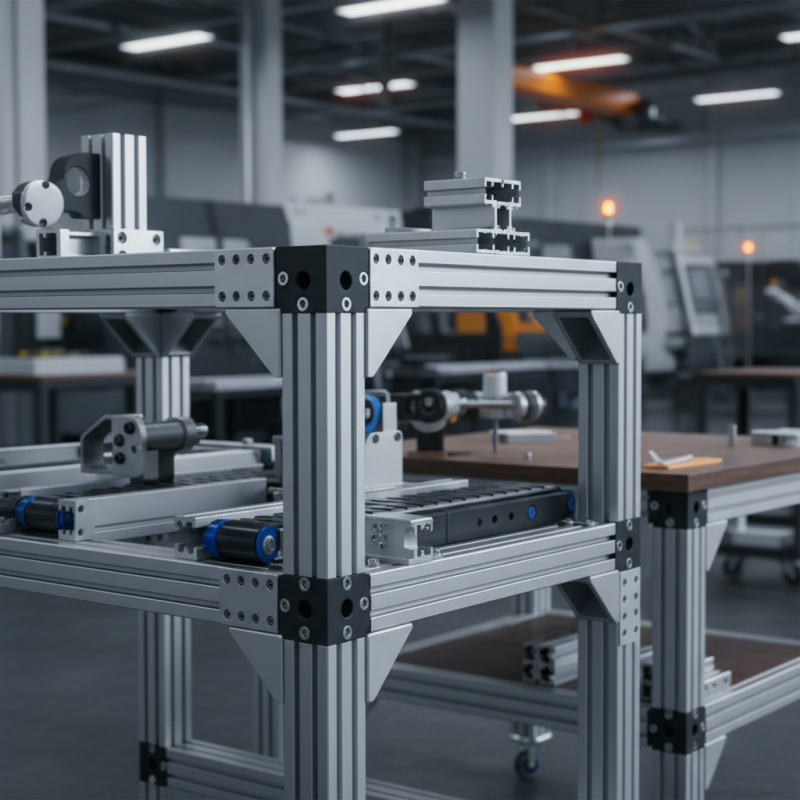
Aluminium T Slot profiles are versatile structural components. These profiles feature an elongated “T” shape. This design allows for easy assembly and adjustment in various applications. They are commonly used in framing and supporting structures across industries. According to recent industry reports, the global market for these profiles is expected to grow significantly, driven by increased demand in automation and manufacturing.
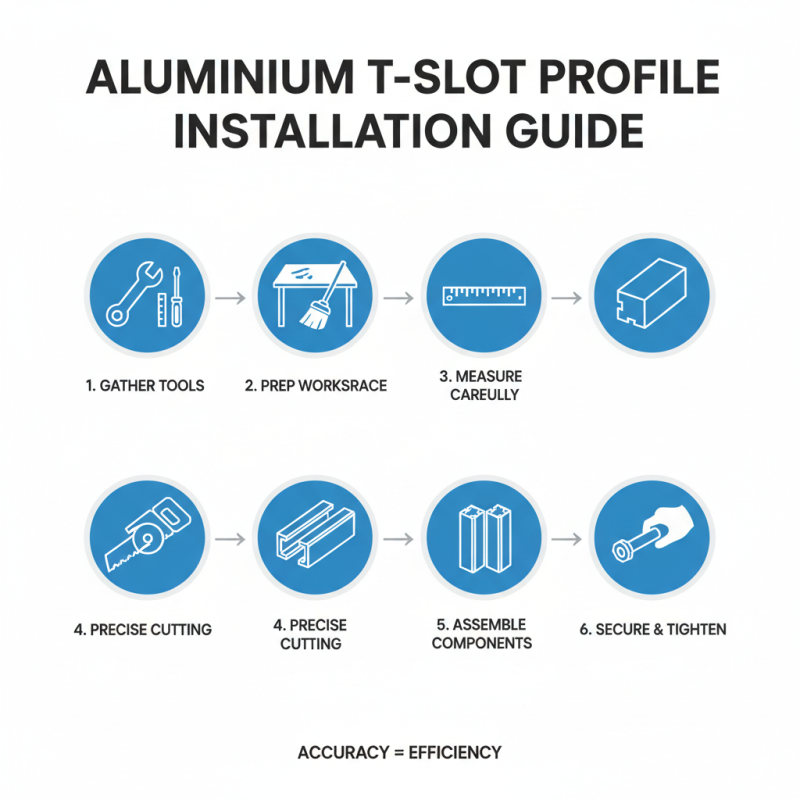
These profiles are lightweight and durable. They can be easily modified to fit various project requirements. For instance, an Aluminium T Slot framework can quickly adapt to changing needs in a workspace. The profiles allow builders to create custom solutions. However, precise measurements are crucial. Miscalculations can lead to structural weaknesses or wasted materials. Many projects have suffered due to overlooked details in the design phase.
Furthermore, while they offer many advantages, T Slot profiles can be costlier than other materials. Careful budgeting is essential before choosing them for a project. The balance between cost and durability often requires reflection on material choices. Efforts must be made to ensure that every component serves its intended purpose effectively. This critical approach helps in maximizing performance and minimizing errors.
What is an Aluminium T Slot Profile and Its Uses?
| Dimension (mm) |
Weight (kg/m) |
Use Case |
Load Capacity (kg) |
| 20 x 20 |
0.5 |
Lightweight frames |
50 |
| 30 x 30 |
0.9 |
Workstations |
100 |
| 40 x 40 |
1.3 |
Machinery frames |
300 |
| 45 x 45 |
1.5 |
Heavy duty structures |
500 |
| 60 x 60 |
2.0 |
Universal construction |
700 |
Key Features and Advantages of Aluminium T Slot Profiles
Aluminium T Slot profiles are versatile structural components used in various applications. Their unique T-shaped slots provide flexibility for connecting different parts. You can easily attach brackets, hinges, and panels. This adaptability makes them ideal for constructing frames, workstations, or custom machinery.
One key feature of Aluminium T Slot profiles is their lightweight nature. This quality simplifies the assembly and transportation of structures. Additionally, their modular design allows for quick modifications. If a project requires a sudden change, you can adjust without much hassle. The profiles also resist corrosion, ensuring long-term durability.
However, you might encounter some challenges when using T Slot profiles. Sometimes, alignment can be tricky, leading to misfit components. This issue requires careful planning and measurement. Additionally, while they are easy to use, beginners might find the initial setup overwhelming. Embracing the learning curve can lead to functional and innovative designs.
Aluminium T Slot Profile Uses and Applications
Overview
This bar chart illustrates the various applications of Aluminium T Slot Profiles, highlighting their widespread use in industrial automation, furniture design, architectural applications, machine frames, and display stands. The versatility of these profiles makes them a popular choice across multiple industries.
Common Applications of Aluminium T Slot Profiles
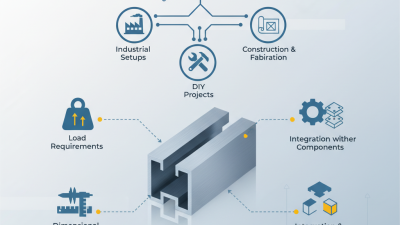
Aluminium T-slot profiles are used widely across various industries. These profiles are versatile and easy to work with. From manufacturing to DIY projects, their applications are vast. According to a recent market report, the global aluminium profile market is projected to grow by 5.8% annually, indicating a strong demand.
In manufacturing, T-slot frames provide support structures for machinery. They create custom workstations that enhance productivity. Automation systems often utilize T-slots for flexible design. They accommodate various tools and components seamlessly. Data shows that over 70% of manufacturers adopt modular systems to improve efficiency. These profiles allow easy adjustments and modifications, vital in an ever-evolving production line.
The construction industry benefits too. T-slot profiles are used in building temporary structures. They facilitate quick assembly and disassembly, reducing labor costs. Some challenges do arise. For instance, not all profiles fit every application perfectly. Misjudgments can lead to increased waste or project delays. Yet, despite these imperfections, the adaptability of aluminium T-slot profiles makes them a preferred choice.
Comparing T Slot Profiles with Other Structural Materials
T-slot profiles made from aluminum offer a unique combination of strength and versatility. They are lightweight yet robust, making them suitable for various applications. In comparison to traditional materials like steel and wood, aluminum T-slot profiles have distinct advantages. Their modular nature allows for easy assembly and adjustment. Changing designs becomes simple without needing specialized tools.
When contrasting T-slot profiles with steel, weight plays a crucial role. Steel is typically heavier, which can complicate transport and assembly. Additionally, aluminum doesn’t rust, providing long-term durability in environments that would corrode steel. However, aluminum's lower tensile strength could be seen as a drawback depending on the application.
Wood offers aesthetic qualities that aluminum lacks. Yet, T-slot profiles are often more reliable and resilient under varying conditions. Wood may warp or split over time, raising maintenance concerns. Aluminum profiles maintain their integrity, but assembly mistakes can happen. Ensuring all connections are secure requires attention to detail. These nuances highlight that while T-slot profiles are advantageous, users must carefully consider their specific needs and challenges.