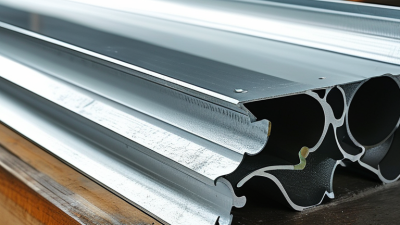
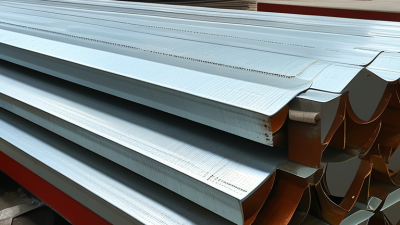
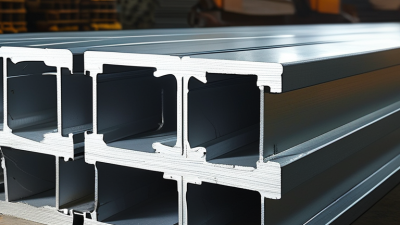
What is Aluminum High Brightness Anodized Profile Benefits?
Aluminum High Brightness Anodized Profiles have gained significant traction in various industries, known for their aesthetic and functional properties. According to a report by the Aluminum Association, the global market for anodized aluminum products is projected to grow at a CAGR of 5.5% through 2025, indicating strong demand for such innovative materials. This trend reflects a shift toward high-performance aluminum solutions in architectural and automotive applications.
Renowned industry expert Dr. Emily Chen states, “Aluminum High Brightness Anodized Profiles not only enhance visual appeal but also improve durability and resistance to environmental factors.” These profiles offer a unique combination of brightness and corrosion resistance. However, challenges persist. The anodizing process can be complex, leading to variability in brightness and finish quality. Companies may need to invest in advanced technology to meet market expectations consistently.
In a competitive landscape, understanding the benefits of Aluminum High Brightness Anodized Profiles is essential. They present opportunities for manufacturers to explore new applications. However, businesses must also reflect on their production methods to guarantee the quality of end products. Balancing innovation with reliability remains crucial in this evolving field.
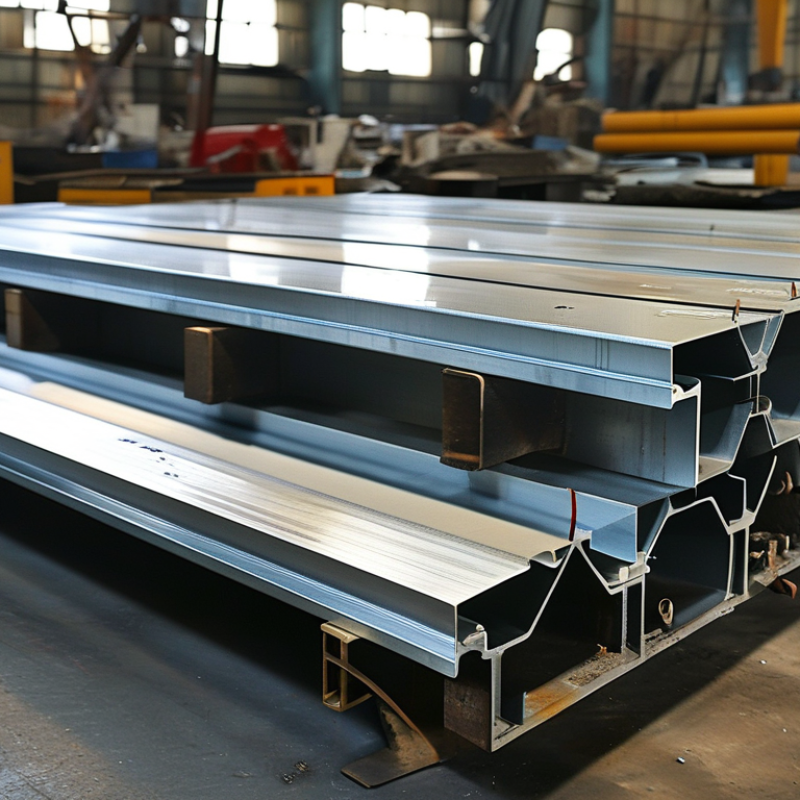
Benefits of Aluminum High Brightness Anodized Profiles
Aluminum high brightness anodized profiles have gained popularity in various industries due to their unique advantages. One key benefit is their enhanced aesthetic appeal. The bright finish adds a modern touch to products, making them visually attractive. This is especially important in applications where design plays a crucial role, such as architectural elements and consumer goods. Bright anodized profiles can enhance the overall look without requiring extensive maintenance.
In addition to appearance, these profiles offer improved corrosion resistance. The anodization process creates a protective layer that shields the aluminum from environmental factors. This leads to increased longevity and durability, important for both manufacturers and end-users. The profiles tend to retain their luster over time, reducing the need for regular upkeep. However, it's crucial to note that improper care can still lead to surface damage, requiring a more mindful approach in handling and maintenance.
Another noteworthy benefit is the flexibility of aluminum in design and manufacturing. These profiles can be customized to various shapes and sizes, allowing for innovative applications in different sectors. Still, relying on high brightness anodized profiles requires a solid understanding of their limitations. For instance, while the finish is durable, it may not be suitable for all environments. Recognizing these factors is vital for ensuring optimal use and satisfaction.
Comparison of Anodized Aluminum vs. Other Finishing Options
Anodized aluminum profiles offer distinct advantages compared to other finishing options. The anodization process creates a thicker oxide layer on aluminum. This layer enhances corrosion resistance and durability. In environments where metals are exposed to moisture, anodized finishes perform remarkably well.
In contrast, traditional paint or powder coatings are prone to chipping and peeling over time. Their lifespan can be significantly shorter than anodized finishes, especially in harsh weather. Consider how long-lasting an anodized surface can be. It requires less maintenance, making it more cost-effective in the long run.
However, not all anodizing is created equal. There are variations in quality that can affect longevity and appearance. Some anodized finishes may not maintain their brightness under UV light. This inconsistency can be frustrating for manufacturers and consumers alike. Careful selection of anodizing methods and suppliers is crucial for achieving the desired results.
Applications in Various Industries for Anodized Profiles
Anodized aluminum profiles are gaining popularity across various industries. These profiles undergo a chemical process to increase durability and resistance to corrosion. They have a sleek, high-brightness finish that enhances aesthetic appeal. Industries such as architecture, automotive, and electronics benefit significantly from this technology.
In architecture, anodized aluminum profiles are often used for curtain walls and window frames. Their lightweight nature and strong resistance to weather elements make them ideal for building exteriors. The bright finish retains its appearance over time, adding to the building's value.
In the automotive sector, anodized profiles are prominent in producing lightweight components. These components help improve energy efficiency and performance. However, the challenge lies in ensuring consistent quality during production. Also, some manufacturers may struggle with meeting stringent industry standards.
The electronic industry uses anodized aluminum for housings and heat sinks. Although effective, engineers must consider thermal conductivity and weight to optimize performance. Such complexities illustrate the balance required in using anodized profiles effectively.
Maintenance and Care for High Brightness Anodized Aluminum
High brightness anodized aluminum profiles are gaining popularity in various industries. Their visual appeal and enhanced durability make them suitable for architectural applications. However, maintenance plays a crucial role in preserving their aesthetics and functionality. Regular cleaning is essential to remove dirt and environmental pollutants.
Experts suggest using a soft cloth and mild detergent to avoid scratching the surface. This method can significantly reduce wear and tear over time.
Another important aspect of maintenance is inspecting the anodized surface for any discoloration or degradation. Reports indicate that untreated surfaces can lose up to 40% of their brightness within three years in high-pollution areas. Timely maintenance can prevent such deterioration. Interestingly, research reveals that keeping anodized aluminum profiles coated with protective wax can enhance their resistance to oxidation and staining.
The ideal cleaning frequency depends on the environment. In coastal areas, where salt and humidity are factors, more routine upkeep is necessary. Conversely, in less demanding locations, biannual maintenance may suffice.
Engaging professional services for deep cleaning every few years can also improve longevity. Balancing these maintenance needs with the aesthetic potential of high brightness anodized aluminum profiles ensures they remain a vibrant choice for various applications.
Environmental Impact and Sustainability of Anodized Aluminum Profiles
Anodized aluminum profiles offer several advantages when it comes to environmental impact and sustainability. The anodizing process enhances aluminum's natural corrosion resistance, which extends the lifespan of products. This durability means less frequent replacements, reducing waste. Furthermore, anodized aluminum is fully recyclable. This characteristic ties in well with the principles of sustainability, as recycled aluminum requires significantly less energy to process than raw materials.
Anodizing is a non-toxic process. Unlike other finishes, it does not produce harmful byproducts. This is crucial for industries looking to lower their environmental footprints. The energy consumed during anodizing is also lower compared to other finishing methods. Many manufacturers are adopting practices that further improve energy efficiency. However, it's essential to regularly review these practices to stay aligned with sustainability goals.
When selecting anodized aluminum profiles, consider their life cycle. Calculate how long the products will last compared to alternatives. Think about the end-of-life options available, such as recycling. Mindful choices can lead to significant environmental benefits over time. Sustainability is not just a trend; it requires ongoing commitment and reevaluation of practices.