2026 Best Aluminum Handrail Profiles for Global Buyers?
In today’s market, choosing the right Aluminum Handrail Profiles is crucial for both functionality and aesthetics. These profiles are widely used in residential, commercial, and public spaces. Their durability and elegant design make them popular among architects and builders alike. With the demand for aluminum handrails rising, manufacturers are innovating their offerings to meet diverse needs.
Understanding the different types of Aluminum Handrail Profiles can enhance your selection process. Each profile serves specific needs and can impact safety and appearance. Still, not every option is suitable for every project. Attention must be paid to the installation environment and user requirements. This specificity often leads buyers to rethink their choices.
Furthermore, variations in quality can be a concern. Some aluminum profiles may not withstand harsh conditions. Buyers should always verify the reputation of suppliers. Engaging with industry experts can provide further insights. Relying on credible sources of information and reviews will ensure a more informed decision. Your choice of Aluminum Handrail Profiles plays a significant role in long-term satisfaction.
2026 Trends in Aluminum Handrail Profiles: A Global Overview
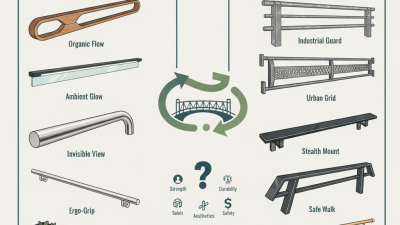
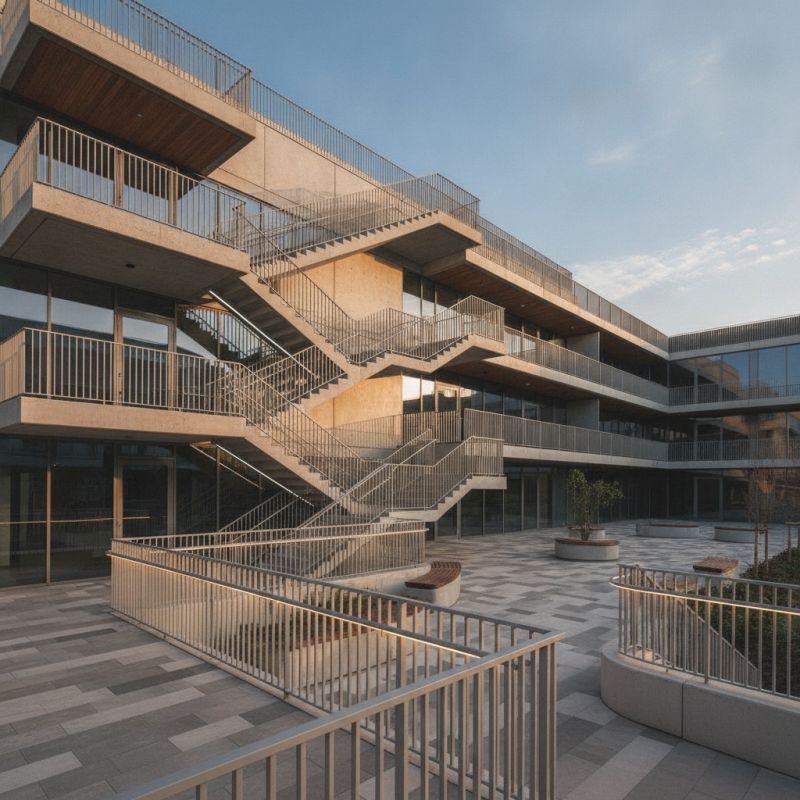
In 2026, aluminum handrail profiles are anticipated to reflect significant design trends. As sustainability becomes vital, buyers may prefer profiles made from recycled aluminum. This choice not only benefits the environment but also offers a stylish look. Clean lines and modern aesthetics are trending, appealing to both residential and commercial markets.
Distinctive finishes, such as matte and brushed textures, enhance the appeal of these handrails. Contemporary designs feature curved or modular components, making installations easier. However, some buyers express concerns about maintenance. While aluminum is durable, scratches can affect its appearance. This issue prompts manufacturers to explore more robust finishes.
Safety continues to be paramount in handrail design. Profiles need to comply with global safety standards, ensuring user confidence. Innovations in slip-resistant surfaces also gain traction. Yet, accessibility remains an ongoing challenge. Not all designs cater to every demographic, leaving room for improvement. Overall, the aluminum handrail market is evolving but has its hurdles to overcome.
Key Materials and Specifications for Aluminum Handrail Profiles
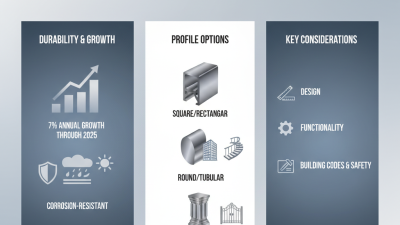
When choosing aluminum handrail profiles, understanding the key materials is essential. Aluminum is lightweight yet strong, making it a popular choice for handrails. Different alloys, such as 6061 and 6063, offer varying strength and corrosion resistance. The right alloy depends on the application, whether for residential or commercial use.
Specifications also play a crucial role. Handrail profiles must meet safety standards. Considerations include height, width, and load capacity. Common dimensions for stair handrails are approximately 34 to 38 inches high. Some profiles are designed with ergonomic grips, enhancing user comfort.
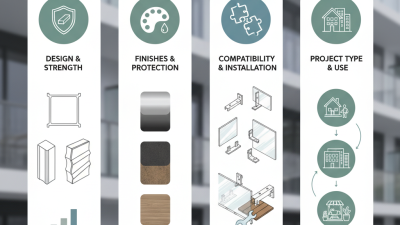
Visual appearance can be just as important as functionality. A powder-coated finish provides durability while allowing for color customization. This finish helps protect against scratches and weathering. However, not all coatings perform equally, and some may fade over time. It's important to research and choose materials carefully. Make informed decisions to avoid costly mistakes.
2026 Best Aluminum Handrail Profiles for Global Buyers
This chart displays the strength and weight of various aluminum handrail profiles. Profile A to Profile E represent different specifications that buyers can consider in 2026.
Comparative Analysis of Aluminum vs. Other Handrail Materials
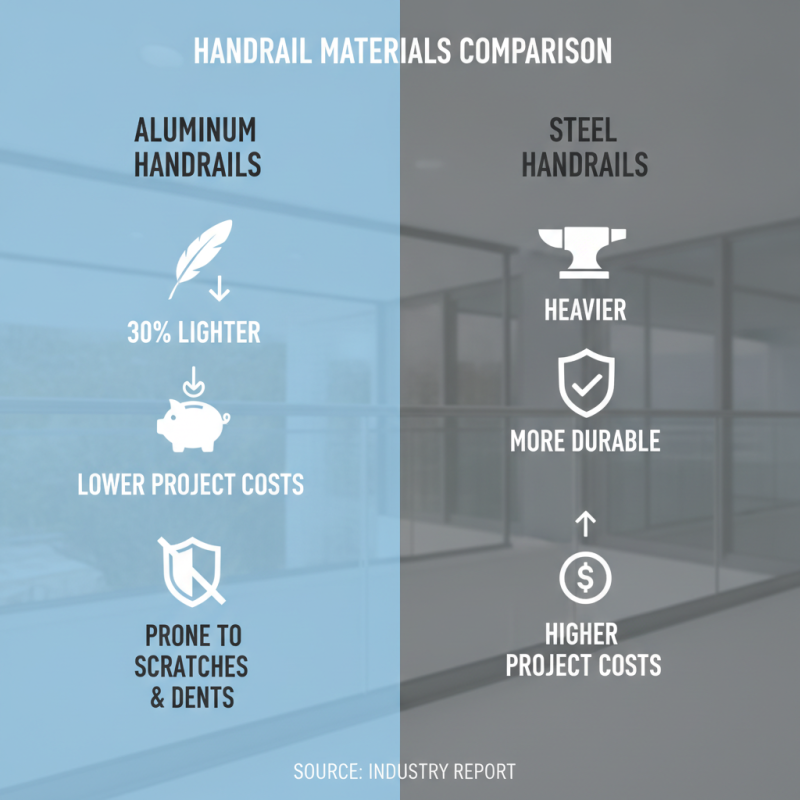
When choosing a handrail material, aluminum stands out for its unique advantages. A recent industry report shows that aluminum handrails are 30% lighter than traditional steel options. This weight reduction simplifies installation and reduces overall project costs. However, aluminum can be prone to scratches and dents when compared to steel. Buyers must weigh these factors when considering durability.
On the other hand, wood has a classic appeal. It offers warmth but can suffer from weather damage and require frequent maintenance. A survey from the International Handrail Association indicates that about 50% of homeowners opt for wood primarily for aesthetics. Yet, the long-term maintenance costs may outweigh this initial appeal.
Glass handrails are trendy for their modern look. However, they can be significantly more expensive. A report from the Glass and Glazing Federation highlights that installation costs can be up to 50% higher than aluminum. The fragility of glass also raises safety concerns. Analyzing these materials reveals that while aluminum offers a perfect balance of function and cost, each material has its own set of challenges that need consideration.
Regulatory Standards Impacting Aluminum Handrail Design Worldwide
The design of aluminum handrails is heavily influenced by regulatory standards worldwide. These regulations ensure safety and accessibility in various environments. Understanding local codes is essential for designers and manufacturers alike. It impacts everything from height and spacing to materials used.
In many regions, standards dictate the strength and durability of the aluminum used. This ensures that handrails can withstand environmental stressors and user demands. Non-compliance can lead to severe consequences, affecting project timelines and safety. Designers often face the challenge of balancing aesthetics with these stringent requirements. As a result, some may overlook the importance of meeting these standards, potentially compromising safety.
Variations in regulations can create confusion for global buyers. Each country may have unique criteria for installation and design. Buyers need reliable information on local laws to make informed decisions. This adds a layer of complexity to the purchasing process. Feedback from professionals in the industry can help navigate these challenges. A collaborative approach often leads to more refined solutions.
2026 Best Aluminum Handrail Profiles for Global Buyers
| Profile Type |
Dimensions (mm) |
Weight (kg/m) |
Load Capacity (kg) |
Surface Finish |
Regulatory Compliance |
| Square Tubing |
40 x 40 |
2.5 |
150 |
Powder Coated |
ASTM A123 |
| Round Tubing |
50 |
2.0 |
120 |
Anodized |
ISO 9001 |
| Channel Section |
60 x 30 |
3.0 |
180 |
Brushed Finish |
EN 12020 |
| Flat Bar |
100 x 5 |
1.5 |
100 |
Polished |
BS EN 755 |
Innovative Designs and Applications of Aluminum Handrails in 2026
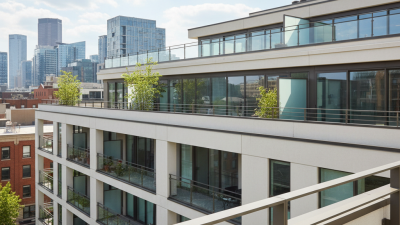
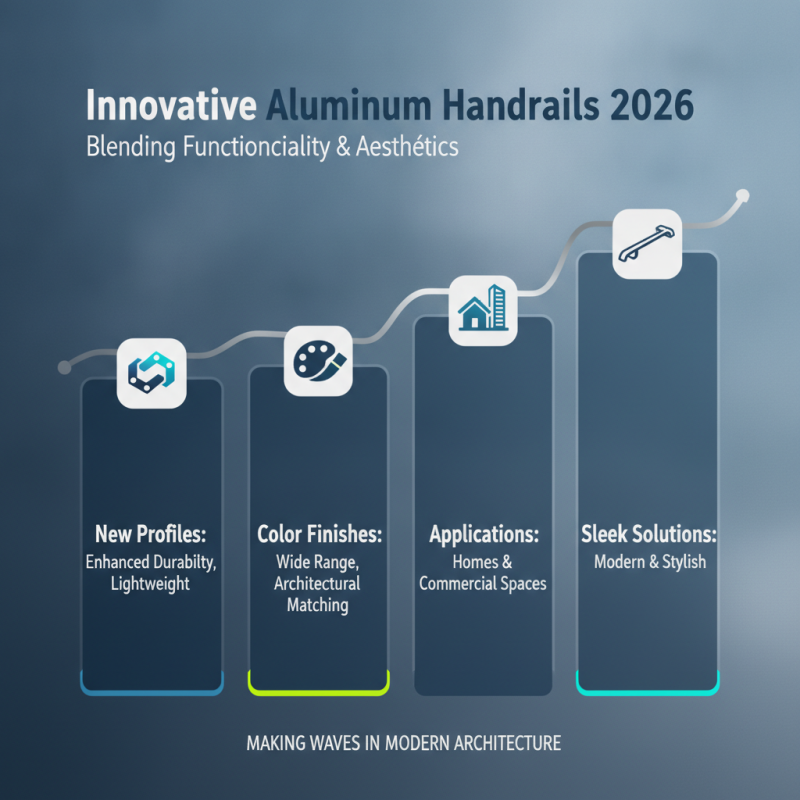
Innovative designs in aluminum handrails are making waves in 2026. These handrails blend functionality with aesthetics, creating sleek solutions for homes and commercial spaces. Manufacturers are experimenting with new profiles that enhance durability while remaining lightweight. Innovative color finishes are now popular, giving flexibility in matching different architectural styles.
There is a growing focus on safety features as well. Some handrails incorporate non-slip surfaces to prevent accidents. This adds a layer of practicality often overlooked in traditional designs. However, these advancements also raise questions about maintenance and repair. While aluminum is known for its resistance to corrosion, weather conditions can still affect its longevity.
Customization options are also becoming more accessible. Buyers can choose from various shapes and sizes to fit their specific needs. Yet, not all designs guarantee strength. Careful consideration is crucial when selecting the right profile. Weight distribution and bracket placement often require professional input. This ensures the final product meets both aesthetic and structural demands.