The landscape of kitchen design is evolving rapidly. Among the most intriguing developments is the Aluminium Kitchen Handle Section. This innovation combines functionality with aesthetic appeal. Aluminium handles are lightweight yet durable. They add a modern touch to traditional kitchens.
Recent trends show an increasing demand for custom designs in this section. Consumers seek unique styles that reflect their personalities. The Aluminium Kitchen Handle Section caters to these desires, offering variety and versatility. However, maintaining quality is crucial. Some products on the market fall short, lacking the durability expected from aluminium.
As manufacturers push boundaries, it is essential to strike a balance between design and practicality. Not every trend will stand the test of time. It's vital to reflect on what truly enhances the kitchen experience. By focusing on quality and functionality, the Aluminium Kitchen Handle Section can set new standards in kitchen hardware.
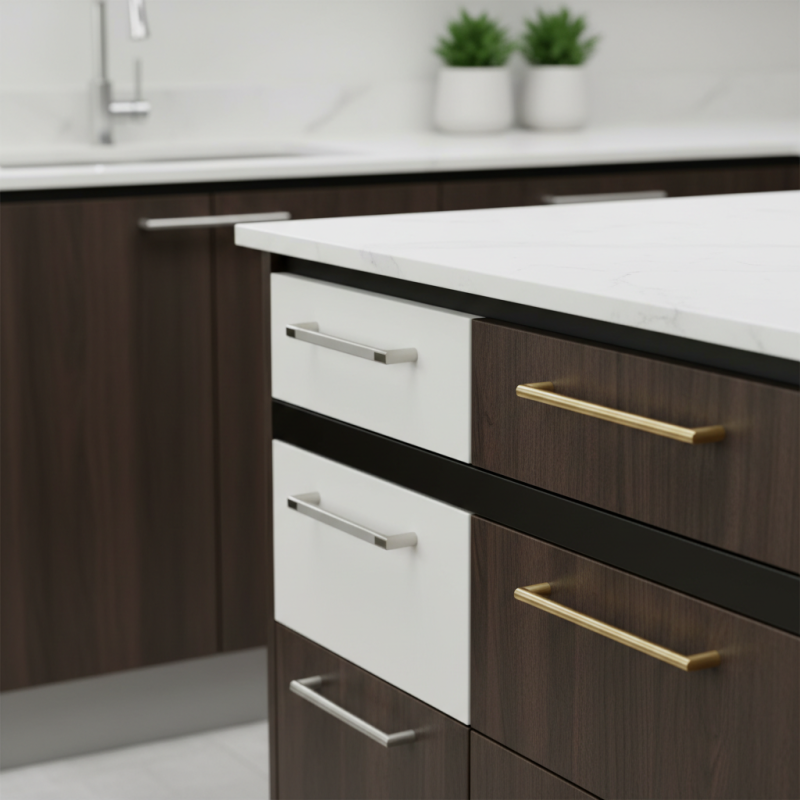
The design of aluminium kitchen handles in China is evolving. Modern trends focus on sleek, minimalistic forms that enhance the kitchen's aesthetic. Many designers emphasize ergonomic shapes, making them comfortable to use. Textured finishes also provide both grip and style, adding depth to the overall look.
Sustainability is becoming important, influencing designs. Aluminum is lightweight and recyclable, aligning with eco-friendly practices. However, not all manufacturers prioritize sustainability. This raises questions about long-term impacts. Some handles may look appealing but lack durability, leading to frequent replacements.
Innovation in surface treatments is noteworthy. Anodized finishes provide various colors, enabling customization. Yet, inconsistencies in quality can be a concern. Consumers might find some finishes wear down quickly. This issue calls for careful selection, balancing appearance with practicality. The future of aluminium kitchen handle design in China rests on thoughtful innovations.
| Design Feature | Material Type | Finishing Options | Sustainability Practices | Trends |
|---|---|---|---|---|
| Slim Profile | Aluminium Alloy 6063 | Anodized | Recyclable Materials | Minimalist Design |
| Ergonomic Grip | Aluminium Alloy 6060 | Brushed Finish | Low Emission Production | Functional Aesthetics |
| Color Variants | Powder Coated Aluminium | Matte Finish | Eco-Friendly Coatings | Custom Colors |
| Integrated Lighting | Aluminium Composite | Polished Finish | Sustainable Sourcing | Smart Kitchen Solutions |
| Unique Shapes | Extruded Aluminium | Satin Finish | Waste Reduction Methods | Artistic Designs |
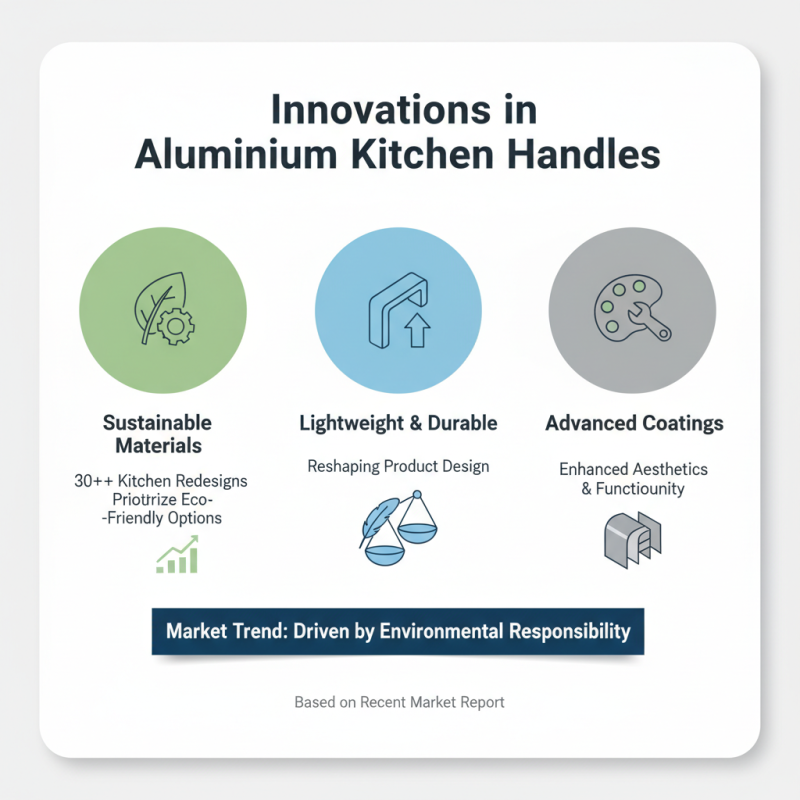
The aluminum kitchen handle market is witnessing exciting innovations in materials and finishes. The rising trend of lightweight yet durable materials is significantly reshaping product design. According to a recent market report, over 30% of kitchen redesigns now prioritize sustainable materials, reflecting a broader commitment to environmental responsibility. This shift has driven manufacturers to explore innovative coatings that enhance both aesthetics and functionality.
Finishes have evolved to offer unique textures and colors, catering to diverse consumer preferences. An estimated 25% of consumers favor matte finishes due to their sleek appearance. However, achieving durability while maintaining visual appeal poses challenges. Some manufacturers face difficulties with scratches or wear over time, revealing a need for ongoing research and development. Continuous improvements are necessary to meet consumer expectations in both design and longevity.
The focus on anti-fingerprint technology has gained traction. A survey indicates that nearly 40% of homeowners find it essential to have kitchen handles that require less maintenance. Nevertheless, while these trends present opportunities, they compel manufacturers to critically assess their processes. Balancing innovation with cost-effectiveness remains a pivotal concern within the industry. This ongoing evolution showcases a dynamic landscape in aluminum kitchen handle design.
Modern manufacturing techniques have profoundly impacted the quality of aluminium kitchen handles. Advanced processes, like computer numerical control (CNC) machining, provide precision and uniformity. This leads to handles that not only look good but also are durable. However, some manufacturers may overlook quality checks. This can result in products that fail under stress, compromising safety and usability.
Another notable innovation is the use of eco-friendly coatings. These finishes enhance aesthetics and protect handles from wear and corrosion. While many brands focus on visual appeal, longevity should not be sacrificed. Some coatings may not withstand harsh kitchen environments. This is an area requiring more attention in development practices.
Quality assurance in manufacturing is crucial. Techniques like batch testing ensure that the final product meets safety standards. Still, some companies may cut costs, leading to inconsistencies. Such practices can introduce vulnerabilities in kitchen tools. This raises important questions about prioritizing quality over cost savings in aluminium handle production.
The demand for aluminium kitchen handles in China shows a notable rise, drawing attention from designers and manufacturers alike. Recent market research illustrates that 65% of consumers prefer lightweight materials like aluminium for kitchen accessories. This preference is driven by the material's durability and modern aesthetic. A survey revealed that 72% of homeowners assess handle functionality before making a purchase.
Innovations in design have also catered to these consumer preferences. For instance, the trend for matte finishes is growing, with 56% of respondents favoring this sleek look. Additionally, the integration of ergonomic designs has become more popular, as 58% of buyers seek comfort and ease of use in their kitchen handles. However, some industry experts raise concerns about the sustainability of aluminium production and its environmental impact, prompting a need for improved manufacturing processes.
Market demand fluctuates, posing challenges for suppliers. Not all manufacturers keep up with design trends, which can lead to excess inventory. This gap means companies must adapt quickly to shifting consumer tastes. With advancements in technology and materials, the future for aluminium kitchen handles looks promising, yet overseeing quality and sustainability remains crucial.
: Trends focus on sleek, minimalistic forms and ergonomic shapes for comfort and aesthetics.
Yes, sustainability influences design, but not all manufacturers prioritize eco-friendly practices.
Textured finishes enhance grip and style, adding depth to the overall look of handles.
Inconsistencies in quality can lead to finishes that wear down quickly, requiring careful selection.
Lightweight and durable materials are prioritized, reflecting a commitment to environmental responsibility.
Yes, about 25% of consumers prefer matte finishes for their sleek appearance, despite durability challenges.
Techniques like CNC machining provide precision but sometimes overlook important quality checks.
They enhance aesthetics and provide protection from wear but may not always withstand harsh environments.
Companies need to balance quality assurance with cost savings to ensure durability and safety.
Many homeowners prefer handles with anti-fingerprint technology for reduced upkeep necessary.