Industrial Aluminium Ceiling Extrusions are more than decorative strips. They shape the ceiling grid, conceal services, and influence how a space handles light, moisture, and maintenance. For architects and buyers comparing China’s leading suppliers, the details matter: alloy grade, profile tolerance, coating consistency, fabrication capacity, and delivery reliability. A polished sample is useful. Repeatable production is better.
The International Aluminium Institute’s 2021 report, Aluminium for Climate, projected that global aluminium demand could rise from about 86 million tonnes in 2020 to 119 million tonnes by 2030. That broad forecast is not a ceiling-extrusion market estimate. Still, it points to growing pressure on manufacturers to demonstrate material efficiency and credible production controls. Company rankings should therefore be read alongside technical specifications, quality documentation, and project references—not price alone.
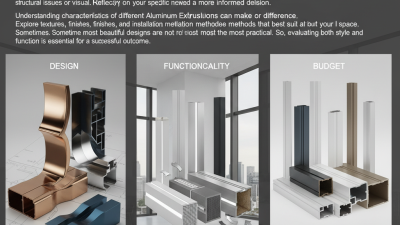
A practical comparison starts with the profile itself: check the cross-section, finish, dimensional tolerances, and how joints meet under real installation conditions. Ask how suppliers control colour variation between batches. Small differences show.
No source material was provided to verify a named Industrial Aluminium Ceiling Extrusions expert’s verbatim quotation, so assigning one would risk misattribution. That limitation matters. This overview instead focuses on evidence buyers can check when assessing China’s top ten companies: product range, manufacturing capability, documented quality systems, and suitability for the intended project.
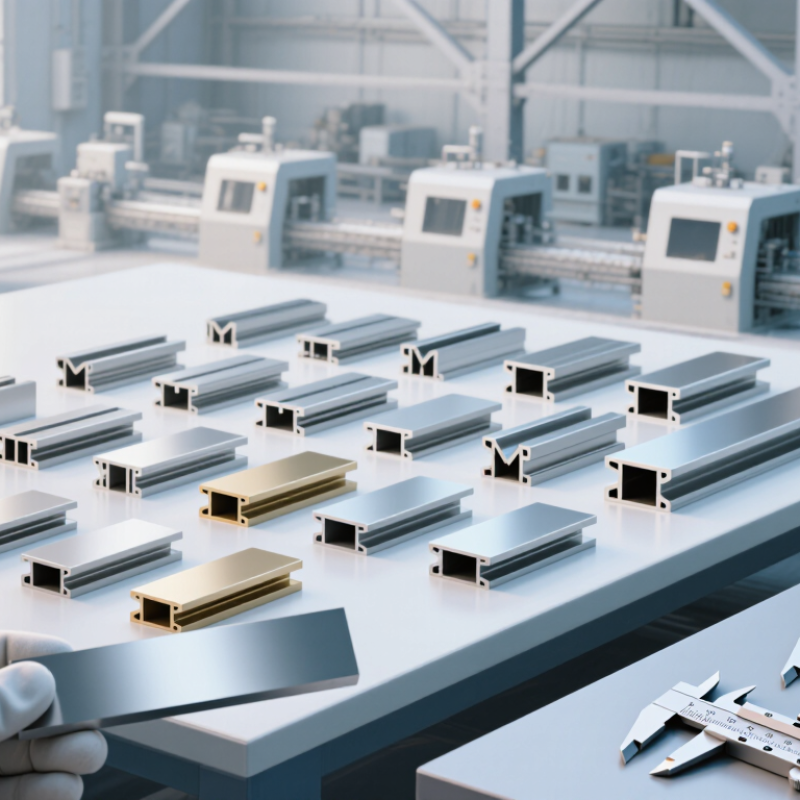
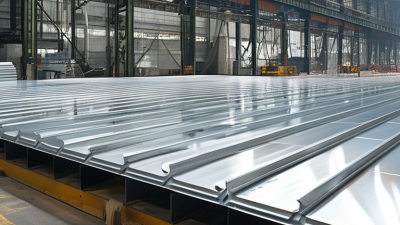
China’s industrial aluminium ceiling extrusion industry supports factories, warehouses, transport facilities, and other large buildings. Manufacturers shape aluminium billets through dies to produce ceiling panels, rails, baffles, and support sections. Designs vary with span, load, ventilation needs, and access for maintenance. Not every project needs a custom profile.
The supply chain often combines extrusion, cutting, punching, surface finishing, and assembly. Common finishes include anodizing and powder coating, selected for appearance and the site environment. Buyers should check profile dimensions, wall thickness, straightness, coating consistency, and fit between connected parts. Small deviations can become visible across a long ceiling run. Details matter.
Specifications deserve careful review. A lightweight profile may reduce structural load, but it still needs adequate stiffness and secure attachment. Corrosive or humid sites may require closer attention to alloy choice and finish performance. Drawings, sample sections, and inspection records help clarify expectations before production. Yet specifications can miss installation realities, such as uneven supporting frames or limited service access. That gap deserves more attention. Reliable suppliers explain tolerances and production limits plainly, rather than promising that every design will work unchanged.
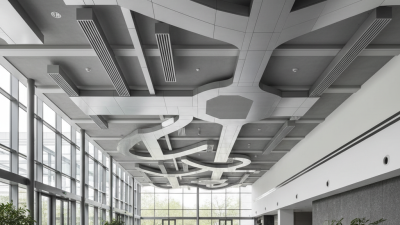
How China’s Leading Aluminium Ceiling Extrusion Companies Are Selected
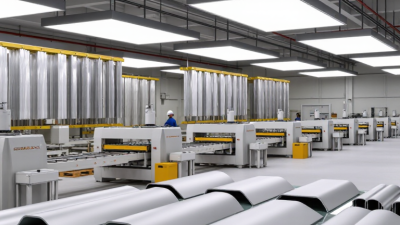
A credible shortlist starts with the production line, not a polished catalogue. Check whether the supplier controls billet sourcing, extrusion, aging, machining, and surface finishing. Ask for batch records and inspect sample profiles for straightness, consistent wall thickness, clean corners, and uniform coating. Small defects matter. They can show up as uneven ceiling joints under bright office lighting. China’s National Bureau of Statistics reported 41.6 million tonnes of primary aluminium production in 2023. That scale signals a large materials base, not proof that any individual extruder can meet a project specification.
Technical evidence should carry more weight than broad capacity claims. Request dimensional inspection results, alloy and temper certificates, coating thickness records, and documented quality procedures. Compare samples against the actual drawings, including clip engagement and panel flatness. The International Aluminium Institute reports that recycling aluminium can require about 5% of the energy needed for primary production. This makes verified recycled-content data and scrap controls useful selection checks, though recycled input alone does not establish product quality. Ask how rejected profiles are traced and whether production lots remain identifiable after finishing. A practical factory review may also reveal gaps; paperwork can look complete while measurement records are inconsistent. Companies should be compared against the same technical checklist, delivery assumptions, and sample-testing method.
Suggested evaluation framework: the bars show the proposed share of each criterion in an editorial assessment, not company rankings or measured market data.
Assess suppliers using verifiable evidence such as technical specifications, quality documentation, project references, delivery records, and material disclosures. Criteria weights are illustrative and can be adjusted to suit project requirements.
Profiles of Ten Major Chinese Industrial Aluminium Ceiling Extrusion Companies
A useful review of ten major suppliers should compare capabilities, not rely on rankings alone. One profile is an integrated producer handling billet selection, extrusion, finishing, and fabrication. Others may focus on custom dies, high-volume standard sections, lightweight ceiling rails, or load-bearing profiles. Some specialize in perforated panels, precise dimensional control, durable surface treatments, export packaging, project coordination, or technical support. These differences matter when a ceiling system must fit a specific grid, span, or installation method. Details matter.
Company size alone does not confirm suitability. Ask for alloy and temper data, profile drawings, coating specifications, and dimensional tolerances. Request recent production samples and inspect cut edges, color consistency, and straightness. For project orders, confirm minimum quantities, tooling costs, lead times, and how design changes are handled. A supplier with a smaller catalog may still be a better match for a custom profile.
Tips: Compare written specifications and sample measurements, not brochure claims. Check whether test reports apply to the exact profile and finish you plan to order. Without independently verified company records, these profiles describe useful supplier capabilities rather than certify individual firms.
Company names and brands are intentionally omitted. The profiles below are anonymized placeholders, not a ranked or verified company directory. Company-specific product specifications, production capacity, certifications, and export information are marked “Not independently verified” rather than presented as fact.
| Profile | Industrial Ceiling Extrusion Products | Alloy and Temper | Profile Dimensions and Tolerances | Surface Finish | Production Capacity | Quality Certifications | Export Markets | Verification Status |
|---|---|---|---|---|---|---|---|---|
| Profile 01 | Not independently verified | Not independently verified | Not independently verified | Not independently verified | Not independently verified | Not independently verified | Not independently verified | Company identity and data not supplied |
| Profile 02 | Not independently verified | Not independently verified | Not independently verified | Not independently verified | Not independently verified | Not independently verified | Not independently verified | Company identity and data not supplied |
| Profile 03 | Not independently verified | Not independently verified | Not independently verified | Not independently verified | Not independently verified | Not independently verified | Not independently verified | Company identity and data not supplied |
| Profile 04 | Not independently verified | Not independently verified | Not independently verified | Not independently verified | Not independently verified | Not independently verified | Not independently verified | Company identity and data not supplied |
| Profile 05 | Not independently verified | Not independently verified | Not independently verified | Not independently verified | Not independently verified | Not independently verified | Not independently verified | Company identity and data not supplied |
| Profile 06 | Not independently verified | Not independently verified | Not independently verified | Not independently verified | Not independently verified | Not independently verified | Not independently verified | Company identity and data not supplied |
| Profile 07 | Not independently verified | Not independently verified | Not independently verified | Not independently verified | Not independently verified | Not independently verified | Not independently verified | Company identity and data not supplied |
| Profile 08 | Not independently verified | Not independently verified | Not independently verified | Not independently verified | Not independently verified | Not independently verified | Not independently verified | Company identity and data not supplied |
| Profile 09 | Not independently verified | Not independently verified | Not independently verified | Not independently verified | Not independently verified | Not independently verified | Not independently verified | Company identity and data not supplied |
| Profile 10 | Not independently verified | Not independently verified | Not independently verified | Not independently verified | Not independently verified | Not independently verified | Not independently verified | Company identity and data not supplied |
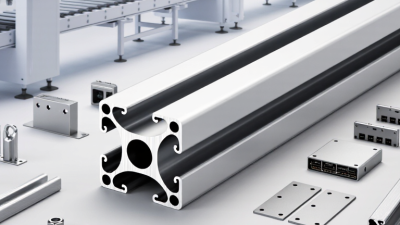
Industrial ceiling profiles include T-bars, baffles, linear strips, and perimeter trims. Their quality depends on alloy selection, die design, and steady extrusion conditions. Billets are heated, forced through shaped dies, then quenched, stretched, and aged. Small changes in temperature or press speed can affect straightness and surface finish. Look for documented alloy grades, dimensional inspection, and repeatable coating controls—not just a wide product catalogue.
The International Aluminium Institute reported about 70.6 million tonnes of global primary aluminium production in 2023. This signals the scale of the material supply chain, not ceiling-extrusion output. The Institute also notes that recycling aluminium uses roughly 5% of the energy needed for primary production. Clean process scrap can therefore support lower-impact manufacturing, although alloy sorting and coating removal still matter. Technical capability should also cover CNC cutting, punching, anodizing, and powder coating. One gap in many supplier profiles is long-term dimensional data; ask how straightness is checked across full production runs.
Tips: Request a sample profile and its inspection record. Check wall thickness at several points, finish consistency, and fit with suspension clips. A polished sample is not proof of stable production.
Industrial aluminium ceilings serve warehouses, production lines, transit depots, and cleanrooms. Their requirements differ. Washdown areas need corrosion-resistant finishes; loading bays need impact-tolerant panels and secure suspension. Details matter. When comparing suppliers in China, examine alloy and temper, extrusion consistency, panel flatness, and stated dimensional tolerances. Request batch inspection records, coating-thickness results, and physical samples—not catalogue claims alone.
The 2024/25 Global Status Report for Buildings and Construction, published by UNEP and the Global Alliance for Buildings and Construction, estimates that buildings and construction consumed 32% of global energy and produced 34% of energy- and process-related CO2 emissions in 2023. These are sector-wide figures, not ceiling-specific savings. Still, they make lifecycle evidence worth checking. Ask for recycled-content information, finish durability tests, and realistic maintenance intervals. The International Aluminium Institute notes that about 75% of all aluminium ever produced remains in use. Reuse depends on components being recoverable in practice.
Assess supplier capability beyond price. Compare extrusion capacity, quality-control procedures, sample lead times, and the availability of replacement panels. Ask how the supplier handles design changes after tooling begins. A polished sample may conceal uneven production quality. There is no perfect shortlist. A detailed specification can still miss installation constraints, so review suspension layouts and access needs with the project team before ordering.