Why Choose Aluminum Frame Section Profile for Your Projects?
When considering structural materials for your projects, the choice of an Aluminum Frame Section Profile can significantly impact your design and functionality. This material stands out due to its exceptional strength-to-weight ratio. It allows for robust structures without adding substantial weight. Additionally, aluminum offers remarkable resistance to corrosion, ensuring longevity in various environments.
Many projects require versatility, and the aluminum frame is adaptable to multiple applications. From residential construction to commercial buildings, aluminum profiles can be crafted to fit unique specifications. However, there are challenges. The initial cost may be higher compared to other materials. Yet, the long-term benefits often justify this investment.
Sustainability is another essential aspect. Aluminum is recyclable, reducing environmental impact. Project managers must assess both immediate and lasting effects of their choices. Ultimately, understanding the benefits and limitations of an Aluminum Frame Section Profile can lead to smarter, more effective project outcomes.
Advantages of Aluminum Frame Section Profiles in Construction
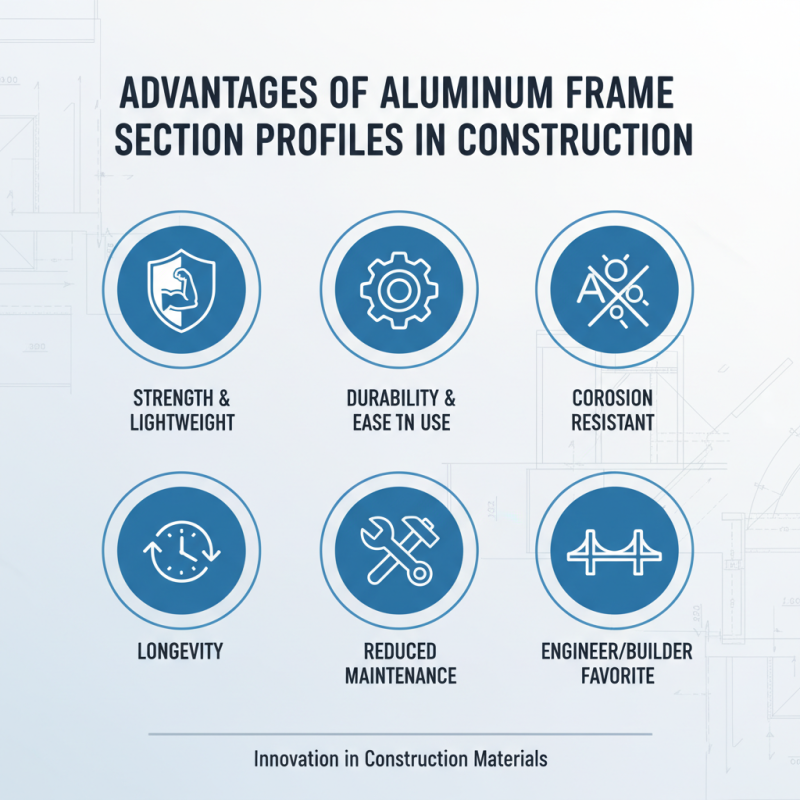
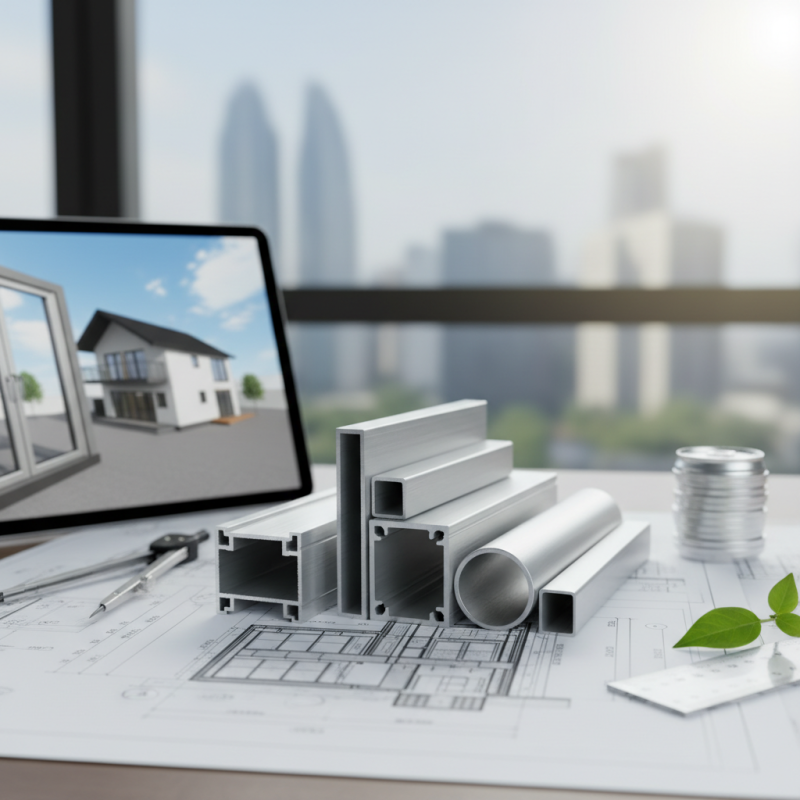
Aluminum frame section profiles have become increasingly popular in the construction industry. These profiles offer a unique blend of strength and lightweight properties. They excel in both durability and ease of use, making them a favorite among engineers and builders. Unlike traditional materials, aluminum resists corrosion. This feature ensures longevity and reduces maintenance efforts.
Constructing with aluminum frame section profiles can lead to significant time savings. They are easy to fabricate and assemble, allowing projects to progress swiftly. Precision in manufacturing provides a tight fit, which minimizes energy loss and enhances insulation. Furthermore, their versatility means they can be tailored to various design requirements. They also have the ability to adapt to extreme weather conditions.
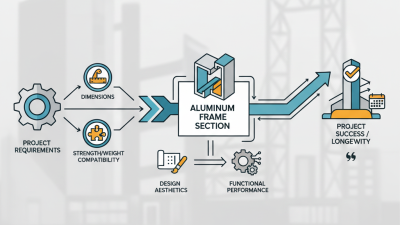
While aluminum profiles bring many advantages, it's important to consider potential challenges. Initial costs can be higher than other materials. Additionally, the thermal conductivity of aluminum requires careful insulation planning. Buyers must also assess the specific needs of their projects to ensure the best outcomes. This reflection helps avoid potential pitfalls, leading to more successful builds.
Durability and Strength: The Benefits of Aluminum Materials
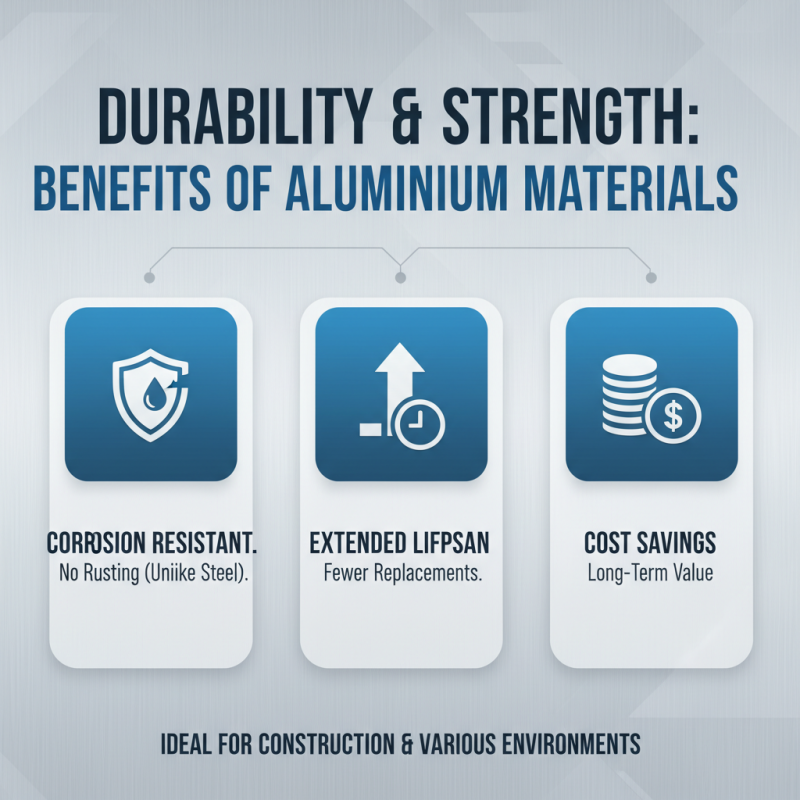
Aluminum materials stand out in construction for their durability and strength. When selecting materials for projects, aluminum should be at the top of the list. Its resistance to corrosion makes it ideal for various environments. Unlike steel, aluminum does not rust, which significantly extends its lifespan. This durability ensures fewer replacements over time, leading to cost savings.
The strength-to-weight ratio of aluminum is impressive. It maintains structural integrity while being lightweight. This characteristic simplifies transportation and installation. However, some may overlook the importance of proper alloy selection. Not all aluminum is created equal, and different alloys serve specific purposes. A deeper understanding of these variations allows for better decisions in project specifications.
Despite its many benefits, aluminum’s insulating properties may raise concerns. It can conduct heat and cold more effectively than some other materials. Proper insulation must be considered to maximize energy efficiency. This aspect urges professionals to innovate ways to combine aluminum with insulative materials. By addressing these challenges, projects can fully exploit aluminum's potential while ensuring performance.
Cost-Effectiveness: Long-Term Savings with Aluminum Profiles
Aluminum profiles have gained popularity due to their cost-effectiveness. The initial investment in aluminum may seem higher than conventional materials. However, studies reveal significant long-term savings. According to a report by the Aluminum Association, lifetime maintenance costs of aluminum can be up to 30% lower than other materials. This reduction in cost stems from aluminum's resistance to corrosion and weathering.
Additionally, the energy efficiency of aluminum profiles contributes to savings. A 2022 industry analysis stated buildings using aluminum frames could decrease energy consumption by 20% compared to traditional options. This leads to lower utility bills for projects. While some professionals debate over the upfront costs, the evidence shows aluminum pays off over time.
Furthermore, aluminum’s lightweight nature can reduce transportation and handling expenses. It is easier to work with, resulting in shorter installation times. If a project requires regular maintenance or replacements, aluminum greatly simplifies these tasks. However, some challenges remain, such as ensuring proper welding techniques to maintain structural integrity. Addressing these concerns is crucial in maximizing the benefits of aluminum profiles.
Cost-Effectiveness of Aluminum Frame Section Profiles
Versatility in Design: How Aluminum Frames Support Various Projects
Aluminum frames offer incredible versatility for various design projects. Their lightweight nature allows for easy transport and installation. From residential buildings to commercial structures, these frames adapt well to diverse architectural styles. You’ll find them in window frames, doors, and even furniture. With minimal maintenance required, their lasting durability makes them a sensible choice for many applications.
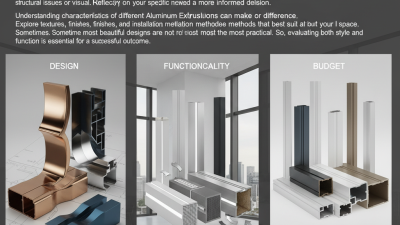
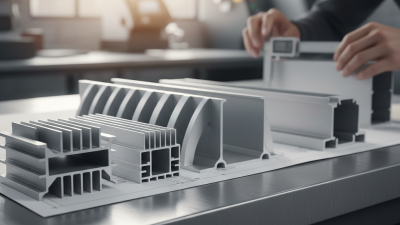
The design possibilities are endless. Aluminum can be extruded into unique shapes, accommodating specific project needs. This flexibility can lead to innovative solutions that enhance the overall aesthetic of a space. However, it’s essential to consider the balance between function and form. Sometimes, a design may prioritize looks over structural integrity. It’s crucial to evaluate the intended use and environmental factors.
Many appreciate the sleek, modern finish that aluminum provides. Yet, users may overlook the importance of quality construction. Poorly made frames can lead to issues down the line. In the end, choosing the right aluminum profile entails thoughtful consideration of both design and practicality. Balancing aesthetics with durability is key to achieving successful outcomes.
Why Choose Aluminum Frame Section Profile for Your Projects? - Versatility in Design
| Project Type |
Aluminum Frame Benefits |
Design Flexibility |
Durability |
Cost Efficiency |
| Residential Windows |
Lightweight, corrosion-resistant |
Customizable sizes and shapes |
Long lifespan with minimal maintenance |
Lower installation costs due to ease of handling |
| Commercial Structures |
Strong yet lightweight |
Versatile design options for large spans |
Resistant to environmental factors |
Cost-effective for large projects |
| Furniture Design |
Modern aesthetic appeal |
Allows for unique and ergonomic designs |
Sturdy construction for daily use |
Affordable compared to other materials |
| Architectural Frameworks |
Excellent strength-to-weight ratio |
Allows intricate designs and features |
Inherently resistant to rust and corrosion |
Minimized lifecycle costs |
| Industrial Applications |
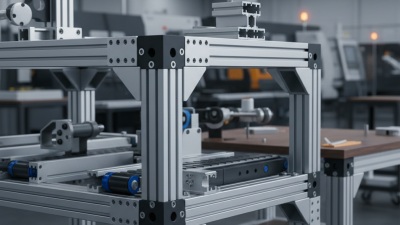
Robust structural integrity |
Custom fittings and sizes available |
Highly durable under stress |
Efficient resource allocation |
Sustainability: The Eco-Friendly Aspects of Aluminum Frame Sections
Choosing aluminum frame section profiles for projects aligns with a commitment to sustainability. Aluminum is a highly recyclable material. When recycled, it retains its properties. This process requires only 5% of the energy used to produce new aluminum. Thus, using recycled aluminum plays a significant role in reducing energy consumption.
Moreover, aluminum’s durability contributes to its eco-friendliness. Profiles made from aluminum last longer than many other materials. They can withstand harsh weather conditions and resist corrosion. This longevity minimizes the need for replacement, leading to less waste. However, one must consider the energy and resources needed for transportation. Local sourcing can help alleviate this impact.
Despite its benefits, aluminum production can still be earth-intensive. Mining bauxite for aluminum can lead to habitat destruction. It’s crucial to ensure responsible sourcing practices. As we embrace aluminum, reflections on its full lifecycle are necessary. The balance between its eco-friendliness and extraction impact is essential for truly sustainable practices.