How to Choose the Best Aluminum Kitchen Profiles for Your Needs?
Choosing the right Aluminum Kitchen Profiles can profoundly influence your kitchen's functionality and aesthetics. Expert designer Sarah Johnson emphasizes, "The choice of profiles can make or break the kitchen design." This highlights the importance of informed selection in enhancing not only aesthetic appeal but also practical use.
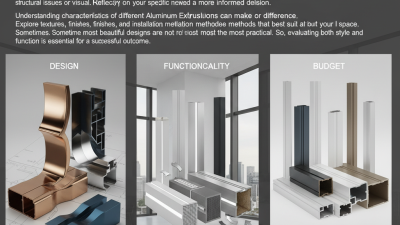
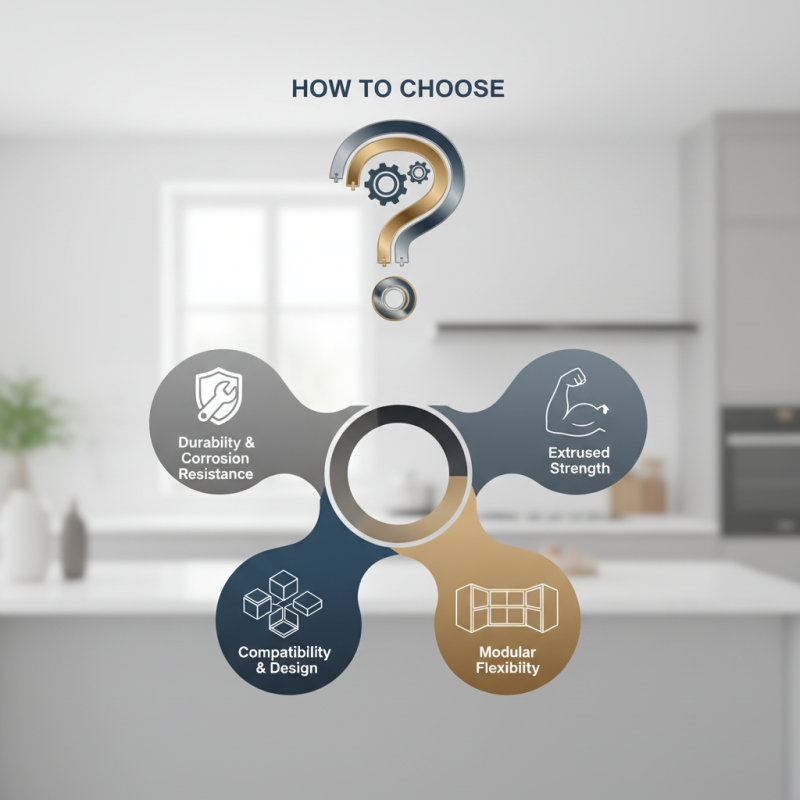
Aluminum Kitchen Profiles come in various shapes, sizes, and finishes. Understanding your needs is crucial when navigating these options. Consider factors such as durability, corrosion resistance, and compatibility with your kitchen's design. However, selecting the best fit can feel overwhelming, and many options can lead to indecision.
It's essential to weigh the advantages of various types. For instance, extruded aluminum profiles offer strength, while modular designs provide flexibility. Each choice has its nuances and potential drawbacks, which requires careful thought. Reflecting on your specific requirements and style preferences can alleviate potential regrets in your kitchen renovations.
Understanding Aluminum Kitchen Profiles: An Overview
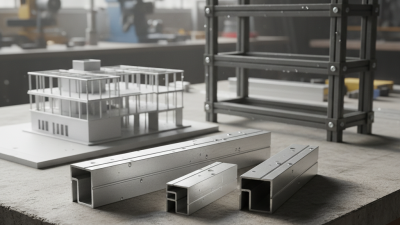
Aluminum kitchen profiles have gained popularity due to their versatility and modern appeal. These profiles are lightweight yet durable, making them ideal for various applications, from cabinets to shelves. According to a recent industry report, the global demand for aluminum kitchen profiles is expected to grow by over 5% annually. This trend reflects a shift towards sustainable and efficient materials in home design.
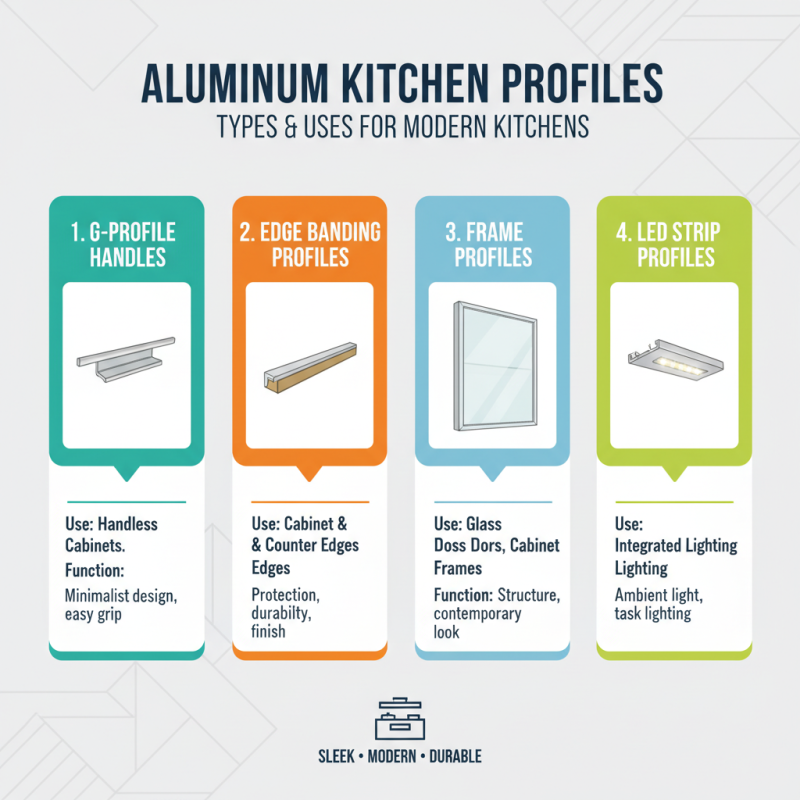
Understanding the types of aluminum kitchen profiles is crucial. They can be categorized into profiles for doors, drawer systems, and decorative trims. Each type serves a unique purpose, influencing the overall aesthetics and functionality of your kitchen. Interestingly, some homeowners struggle with choosing the right profile. This often leads to inadequate storage solutions or visual clutter, which can compromise the kitchen's efficiency.
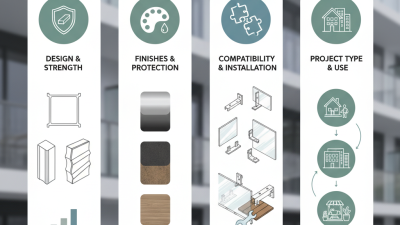
Profiles also vary in finishes, from polished to anodized. A well-chosen finish not only enhances the look of your kitchen but also provides resistance to wear and tear. However, some finishes may not be as durable as expected, requiring homeowners to reconsider their choices. Investing in high-quality aluminum profiles should be a priority, as cheap alternatives often lead to problems in the long run.
Key Factors to Consider When Choosing Kitchen Profiles
Choosing the right aluminum kitchen profiles requires careful consideration of several key factors. Think about the style of your kitchen first. Modern designs often favor sleek and minimalist profiles. Traditional spaces might benefit from more ornate designs.
Durability is another crucial aspect. Aluminum is generally strong, but not all profiles are created equal. Check the thickness and finish. A thicker profile may resist dents and scratches better. Some finishes can enhance resistance to moisture and heat.
Tips for selecting the best profiles include examining the manufacturing process. Profiles made with advanced techniques tend to last longer. Consider the environmental impact as well. Recyclable profiles can be a more sustainable option.
Lastly, personal preferences play a significant role. Ensure the profile aligns with your cooking habits and lifestyle. A profile that fits perfectly may inspire creativity in your kitchen. Balancing aesthetics and functionality can lead to a rewarding choice.
Aluminum Kitchen Profiles Selection: Factors and Preference Ratings
Different Types of Aluminum Kitchen Profiles and Their Uses
Aluminum kitchen profiles are essential for modern kitchens. They provide structural support and a sleek appearance. Various types serve distinct functions based on design needs.
The most common types of aluminum profiles include edge trims, corner profiles, and cabinet profiles. Edge trims protect surface edges from damage while enhancing aesthetics. Corner profiles add strength and style to cabinet assemblies. According to a 2022 industry report, aluminum profiles account for 24% of kitchen material choices due to their durability and low maintenance.
When selecting aluminum profiles, consider their thickness and finish. A thicker profile often means better strength. For finishes, powder coating is popular for its vibrant colors and durability.
Tips: Always measure your space accurately. Ensure profiles align with design elements. If uncertain, consult an expert for guidance. Balancing quality and cost is crucial in the decision-making process.
Assessing Quality and Durability of Aluminum Profiles
When assessing quality and durability in aluminum kitchen profiles, consider several key factors. First, look at the thickness of the aluminum. Thicker profiles generally offer better durability and resistance to deformation. However, very thick options can be heavier and harder to install. Testing different options before a final decision is essential.
Next, examine the surface finish. A high-quality anodized finish can protect the aluminum from corrosion and wear. Look for profiles that undergo rigorous testing for weather resistance and scratch resilience. Pay attention to returning results such as fading or weakening after exposure to moisture. This can indicate potential issues.
Lastly, don't overlook the importance of supplier reputation. Seek out manufacturers that provide transparent information on their production processes. Testimonials and reviews can give insight into longevity in real-world applications. However, even reputable brands may have occasional issues. Therefore, being aware of experiences from various customers can provide a fuller picture.
Tips for Installation and Maintenance of Aluminum Kitchen Profiles
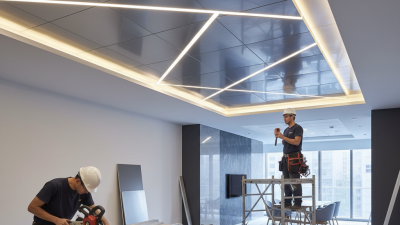
Installing aluminum kitchen profiles can greatly enhance your space. However, proper installation is crucial for functionality. Start by ensuring you have the right tools, including a spirit level and measuring tape. Measure your kitchen area meticulously before cutting any profiles. Even a minor error can lead to misalignment. Having clear instructions or guidelines can help streamline this process.
Maintenance is equally essential for longevity. Regularly clean the aluminum surface with a mild detergent to prevent corrosion. Using abrasive materials may create scratches, which can affect both appearance and durability. Consider applying a protective coating every few years. This can further shield the aluminum from wear and tear. Pay attention to any signs of damage, as timely repairs can prevent bigger problems down the line. Creating a routine maintenance schedule can make it simpler to keep everything in top shape.
How to Choose the Best Aluminum Kitchen Profiles for Your Needs?
| Dimension |
Aluminum Type |
Use Case |
Maintenance Tips |
| 60 x 20 mm |
6063-T5 |
Cabinet Frames |
Regularly clean with mild soap and water. |
| 40 x 40 mm |
6061-T6 |
Counter Supports |
Check for oxidation and polish if necessary. |
| 30 x 15 mm |
A356.0 |
Storage Racks |
Inspect joints regularly and tighten screws. |
| 50 x 25 mm |
5052-H32 |
Drawer Framing |
Avoid abrasive cleaners to preserve finish. |
| 25 x 25 mm |
6005-T5 |
Trim Elements |
Wipe down with a soft cloth frequently. |