Why Choose Industrial Aluminium Ceiling Extrusions for Your Next Project?
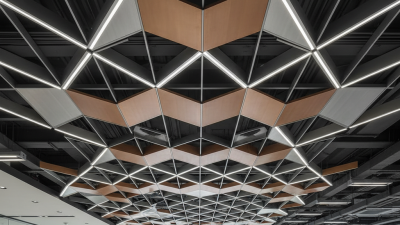
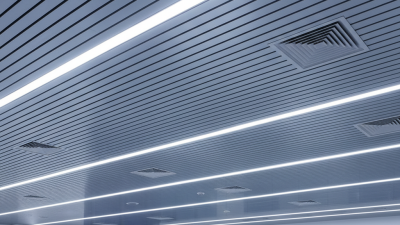
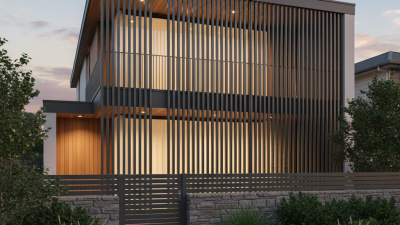
Industrial Aluminium Ceiling Extrusions are becoming a popular choice for modern construction projects. They offer durability and aesthetic appeal, making them suitable for various applications. Their lightweight nature allows for easy installation in any environment.
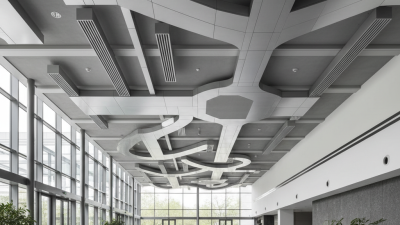
These extrusions can enhance interior spaces significantly. The smooth finish and versatility of designs appeal to architects and builders alike. Projects that incorporate industrial aluminium ceilings often see improved energy efficiency. This is due to their ability to reflect light and reduce heating costs.
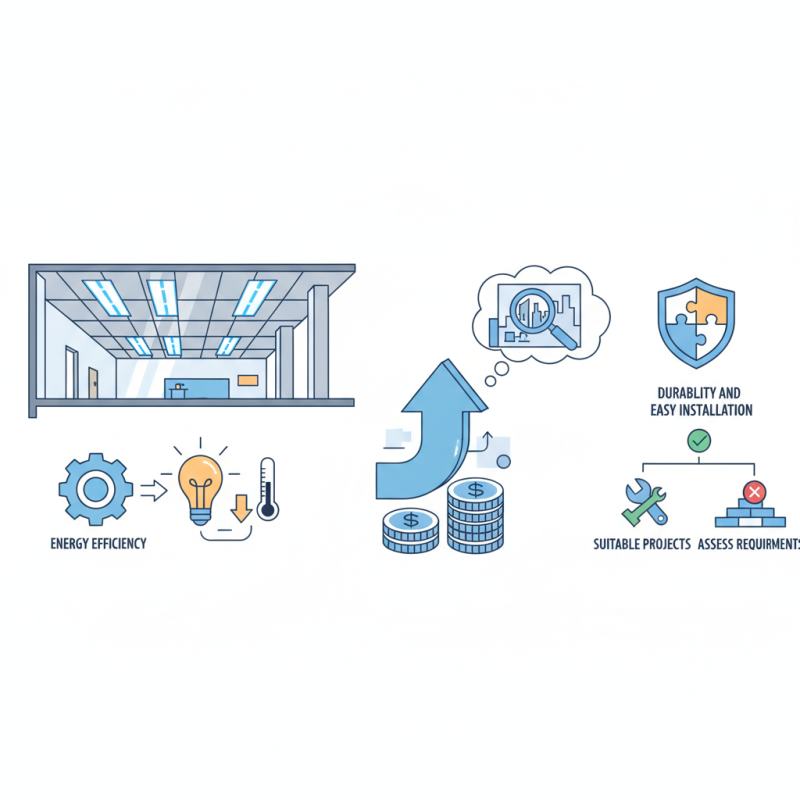
However, not all applications may benefit from this material. It's crucial to assess specific project requirements carefully. The initial installation cost can be higher than traditional materials. Yet, the long-term benefits usually outweigh these costs. Planning and understanding project goals remain essential for success. Choosing the right materials like Industrial Aluminium Ceiling Extrusions can drive innovation in design and functionality.
Benefits of Using Industrial Aluminium Ceiling Extrusions
Industrial aluminium ceiling extrusions present several notable benefits for modern construction projects. For one, they offer an exceptional strength-to-weight ratio. According to a study by the Aluminium Association, aluminium is 33% lighter than steel, yet it maintains a comparable strength. This makes aluminium ceilings easier to handle and install, potentially reducing labor costs. Additionally, the extrusions can be designed in various shapes and sizes, catering to unique architectural requirements.
The durability of aluminium is another significant advantage. Reports indicate that aluminium can last up to 30 years, especially when coated with protective finishes. This longevity can lead to lower maintenance expenses over time. On the aesthetic side, aluminium can be finished in countless colors and textures, offering design flexibility that enhances any interior space. However, not all finishes provide the same level of resistance to wear and tear, so careful selection of coatings is crucial.
Moreover, sustainability is a key consideration. Industrial aluminium is often sourced from recycled materials, contributing to reduced environmental impact. A report by the International Aluminium Institute shows recycling saves up to 95% of the energy needed to produce new aluminium. However, the recycling process isn't flawless. Contaminants can affect the quality, leading to potential variability in the final product. This means careful quality control is essential in every project utilizing aluminium extrusions.
Durability and Longevity of Aluminium in Construction Projects
Aluminium is often praised for its durability in construction projects. Its resistance to corrosion makes it a popular choice. Unlike other materials, aluminium does not rust. This property ensures longevity, making it ideal for various applications, including ceilings.
Industrial aluminium ceiling extrusions can withstand harsh environments. They maintain their appearance and performance over time.
While aluminium has many advantages, it's not without its challenges. For instance, the weight of aluminium can sometimes complicate installation. This is especially true in large-scale projects where careful handling is required. Additionally, some may worry about its thermal conductivity. Without proper insulation, energy efficiency could become a concern. Yet, with thoughtful design and implementation, these drawbacks can be managed effectively.
In many projects, choosing aluminium means balancing aesthetics with functionality. The sleek look of an aluminium ceiling can enhance any space. Still, achieving that balance requires careful planning. Reviewing how the material interacts with other elements is essential. Being mindful of both strengths and weaknesses can lead to successful project outcomes.
Design Flexibility: Customizing Aluminium Extrusions for Aesthetic Appeal
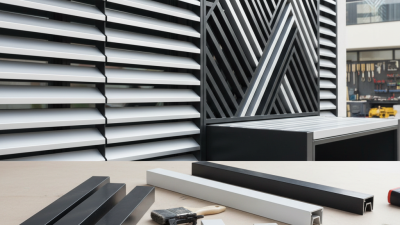
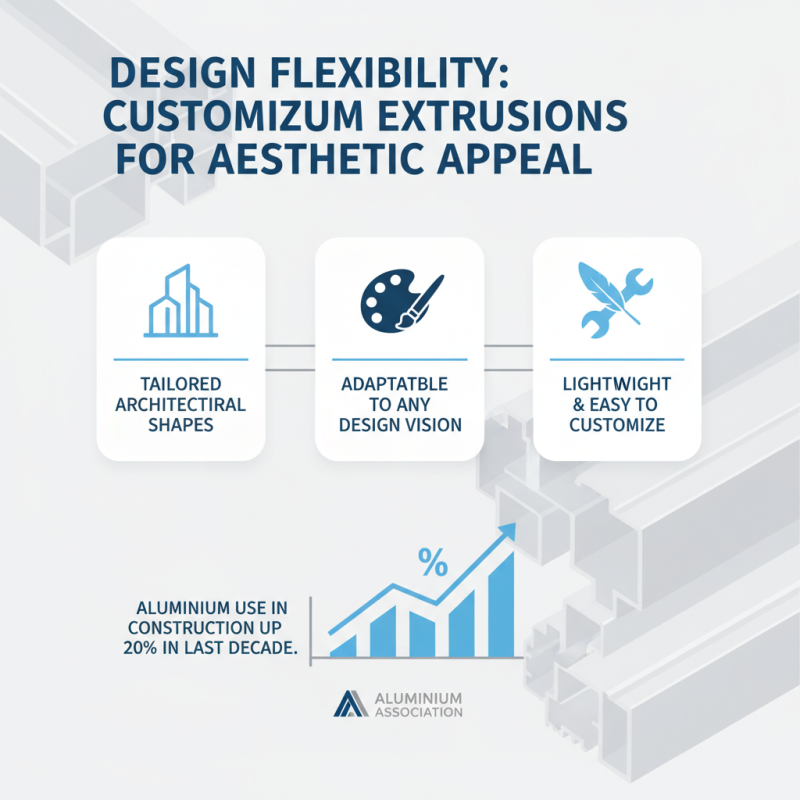
Aluminium extrusions offer unparalleled design flexibility. They can be tailored to fit any aesthetic vision. This versatility makes them ideal for modern architectural projects. According to a study by the Aluminium Association, the use of aluminium in construction has increased by over 20% in the last decade. Designers appreciate this material for its lightweight properties and easy adaptability.
Customization is key. Aluminium extrusions can be shaped, sized, and finished to meet specific project needs. Various surface treatments, such as anodizing and powder coating, enhance both appearance and durability. A report from the International Aluminium Institute highlights that well-designed aluminium ceilings can boost energy efficiency by up to 30%. This not only fulfills aesthetic needs but also contributes to sustainability.
However, the process isn't without challenges. Achieving the desired finish may require multiple treatments. This can lead to increased costs and longer timelines. Designers must carefully consider these factors when planning their projects. Balancing beauty and practicality is essential. The right approach can lead to stunning results, but it demands thoughtful reflection and planning throughout the design phase.
Cost Efficiency: Aluminium Ceiling Solutions for Budget-Conscious Projects
Aluminium ceiling extrusions offer significant cost efficiency for budget-conscious projects. These solutions are lightweight, making installation faster and easier. Building with aluminium often leads to reduced labor costs. Plus, the durability of aluminium means lower long-term maintenance expenses. With a bit of planning, you can maximize your budget with these materials.
The initial investment in aluminium might seem high, but it pays off. For example, consider the lifecycle costs. With aluminium's resistance to corrosion, less money goes into repairs. However, it’s essential to choose the right extrusion profile. Make sure to research which designs suit your project's needs. Some options may not provide the performance you expect.
Reflecting on your design choices is crucial. While aluminium is efficient, it’s not always flexible in aesthetics. Some projects may require more creative materials for visual impact. Balancing cost with design can be tricky. It’s a challenge, but finding the right mixture can lead to satisfying results.
Why Choose Industrial Aluminium Ceiling Extrusions for Your Next Project? - Cost Efficiency: Aluminium Ceiling Solutions for Budget-Conscious Projects
| Feature |
Benefit |
Cost Impact |
Durability |
| Lightweight |
Easy installation reduces labor costs |
Low |
Resistant to warping and cracking |
| Recyclable Material |
Sustainable option for eco-conscious projects |
Reduced waste disposal costs |
Highly durable |
| Variety of Finishes |
Customizable aesthetic for any design |
Potential for increased value |
Long-lasting finishes available |
| Low Maintenance |
Less time and cost spent on upkeep |
Very low |
Stays fresh for years |
| Fire Resistance |
Enhanced safety for occupants |
Potential savings on insurance |
Excellent fireproofing capabilities |
Sustainability: Eco-Friendly Aspects of Aluminium Extrusions in Design
When considering design materials, sustainability is crucial. Industrial aluminium ceiling extrusions offer unique eco-friendly properties. Aluminium is 100% recyclable. According to the International Aluminium Institute, recycling aluminium saves up to 95% of the energy required to produce new aluminium from ore. This significant reduction in energy consumption contributes to a lower carbon footprint.
The production process of aluminium also has improved over the years. A report from the World Aluminum Association highlights that advancements in technology have resulted in a decrease in greenhouse gas emissions by over 30% since 1990. Moreover, aluminium’s lightweight nature enhances energy efficiency in the design phase. Less material means reduced waste and cost efficiency. However, the sourcing of bauxite, the raw material for aluminium, can still pose challenges. Mining operations can disrupt local ecosystems if not managed properly.
Another aspect worth considering is the durability of aluminium. Its resistance to corrosion increases the lifespan of structures, reducing the frequency of replacements. This longevity lowers the overall environmental impact over time. Still, the industry must reflect on how to make the entire lifecycle more sustainable. Continuous innovation and responsible sourcing are required to ensure that aluminium remains a viable eco-friendly choice for future designs.
Comparison of Aluminium Extrusions with Other Materials in Sustainability