How to Choose the Right Aluminum Square Plate for Your Needs?
Choosing the right Aluminum Square Plate can be a daunting task. With various options available, each plate serves a specific function. Understanding these functions is crucial for making the best choice.
Aluminum Square Plates are lightweight yet strong. They are widely used in construction, manufacturing, and art. Different thicknesses and finishes impact their durability and aesthetic appeal. It is essential to know the specific requirements for your project. Consider load-bearing needs and environmental factors.
Navigating this process can reveal uncertainties and mistakes. Many overlook the importance of proper sizing and material properties. Reflecting on past choices can help avoid future pitfalls. Knowing what works best for your needs is key to achieving success. Prior research and consulting with experts can provide valuable insights.
Understanding the Properties of Aluminum Square Plates
When selecting an aluminum square plate, understanding its properties is crucial. Aluminum is lightweight yet strong, making it an excellent material for various applications. It resists corrosion, which is vital for outdoor projects. The thickness of the plate influences its durability and strength. Thicker plates can handle more load but are heavier to maneuver. The standard thickness options often range from 1/16 inch to 1 inch.
The surface finish of the aluminum plate also matters. A smooth finish provides a sleek look but may not be ideal for every application. An anodized finish improves corrosion resistance and enhances durability. Consider the environment where the plate will be used. Humid areas may require additional treatment to prevent oxidation. Keep in mind that different grades of aluminum offer distinct strengths and characteristics. Some might be better suited for high-temperature environments, while others are perfect for everyday use.
Reflect on your specific needs before making a decision. It's easy to overlook your project’s requirements. If durability is not prioritized, you may end up with a plate that doesn't last long. The right choice hinges on balancing weight, strength, and finish. Picking the wrong aluminum plate could lead to structural failures or increased costs in the long run. Taking time to understand these properties will lead to a more informed decision.
How to Choose the Right Aluminum Square Plate for Your Needs?
| Property |
Description |
Importance |
| Thickness |
Thickness of the plate affects strength and weight. |
Critical for load-bearing applications. |
| Size |
Dimensions of the plate, usually measured in inches or mm. |
Determines suitability for specific projects. |
| Alloy Type |
Different alloys provide various mechanical properties. |
Affects durability and resistance to corrosion. |
| Finish |
Surface treatment that enhances appearance and corrosion resistance. |
Important for aesthetic and functional purposes. |
| Weight |
Weight of the plate can impact transport and installation. |
Needs consideration for structural calculations. |
| Cost |
Price per square foot or meter of aluminum plate. |
Budgetary constraints can influence material selection. |
Assessing Your Project Requirements for Aluminum Plates
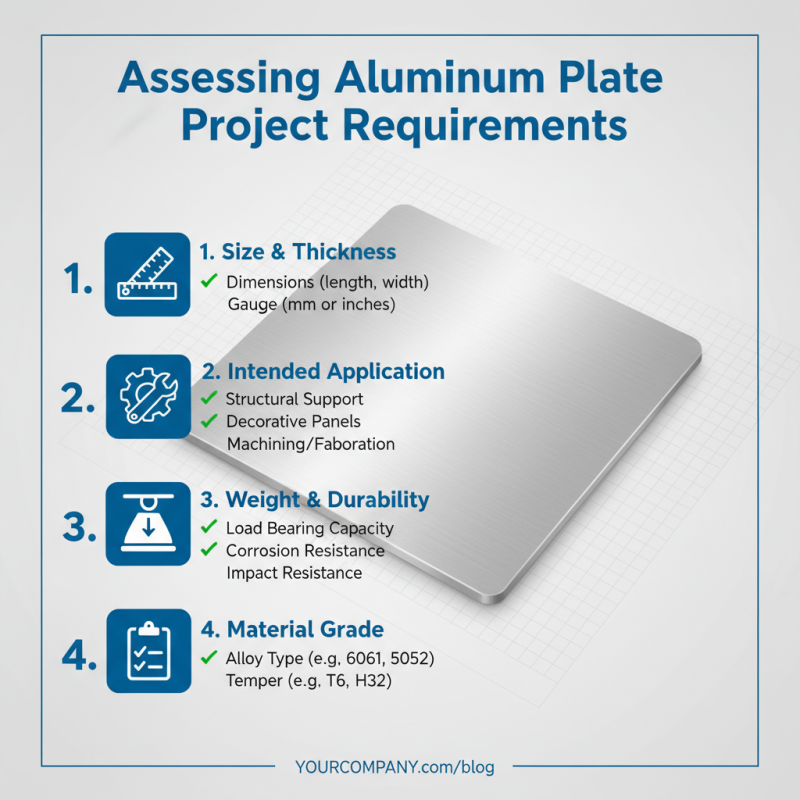
When selecting an aluminum square plate, understanding your project requirements is crucial. Begin by assessing the size and thickness of the plate you need. Consider the intended application, whether it’s for structural support, decoration, or heat dissipation. Weight and durability are essential factors. A thicker plate may provide required support but could add unnecessary weight.
Next, evaluate the environmental conditions the plate will face. Will it be exposed to moisture or harsh chemicals? These factors will influence the type of aluminum alloy you should consider. Some alloys resist corrosion better than others. This choice can impact the plate's long-term performance and safety.
Lastly, think about the finish and aesthetics. Mill finish, anodized, or painted coatings can all affect the appearance and functionality. A shiny surface may look appealing, but it can show scratches easily. Sometimes, a simple finish is practical but not visually impressive. Reflect on what balance suits your needs best, knowing that every decision has trade-offs.
Identifying Different Types of Aluminum Alloys Available
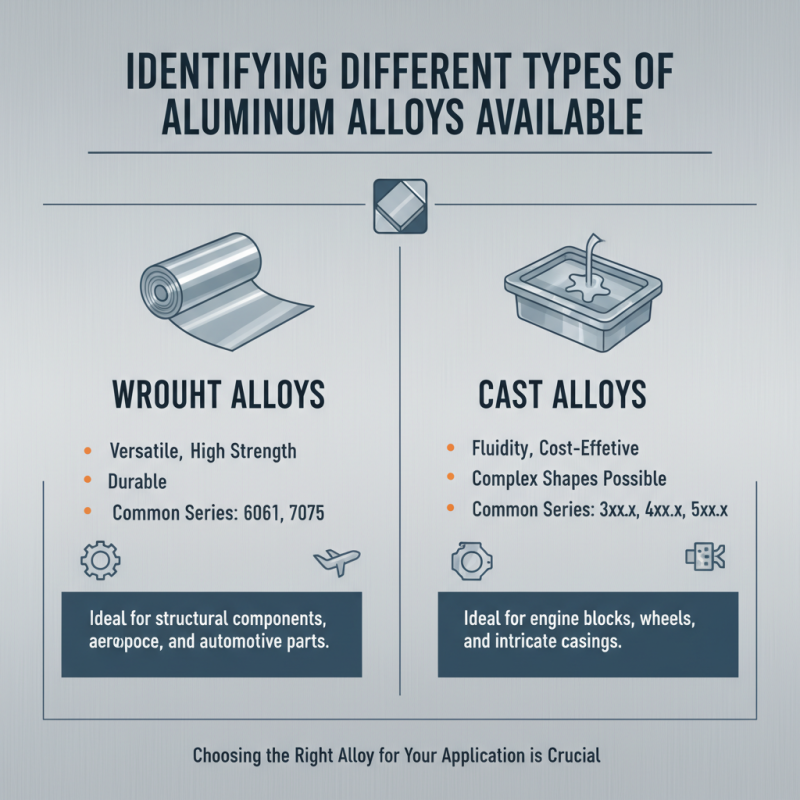
When choosing the right aluminum square plate, it’s essential to understand the different types of aluminum alloys available. Aluminum alloys are categorized into two main families: wrought and cast. Wrought alloys, such as the 6061 and 7075 series, are known for their excellent mechanical properties and versatility. They are ideal for applications that require strength and durability.
On the other hand, cast alloys like 319 and A356 offer good fluidity and are often used in complex shapes. They are beneficial in situations where intricate designs are needed. Understanding these distinctions can aid in selecting the right material for specific projects.
Tips:
Think about the application. Will it bear heavy loads or require high corrosion resistance? This consideration can greatly influence your choice of alloy.
Additionally, consider finish options. Some coatings can improve durability, while others enhance aesthetic appeal. Choose wisely to ensure the plate meets your needs.
Lastly, always verify the specifications. Not all alloys with similar numbers are equivalent. Misunderstandings in alloy types can result in performance issues. It's crucial to research thoroughly and ensure the plate you select aligns with your project requirements.
Evaluating Thickness and Dimensions for Optimal Performance
When selecting an aluminum square plate, thickness and dimensions are critical for performance. The right thickness affects strength and flexibility. Research indicates that plates with a thickness of 1/4 inch or more provide better durability for heavier applications. A thicker plate also resists bending and deformation under stress.
Dimension considerations should align with project specifications. Common sizes range from 12x12 inches to larger sheets of 48x48 inches. The size impacts the material's weight and handling. Ensure that the dimensions suit your application's space constraints. An improper size can complicate installation and lead to inefficiencies.
Tips: Verify the specific load requirements for your project. Use a thickness calculator to ensure accuracy. Assess if pre-drilled holes are necessary, as they can streamline assembly. Remember, choosing the right specifications requires careful thought about your application demands. Reflect on your choices, and don’t hesitate to consult with industry experts for optimal results.
Thickness and Performance of Aluminum Square Plates
Exploring Surface Treatments and Finishes for Durability
Selecting the right aluminum square plate involves understanding its surface treatments and finishes. Durability is a key concern. Different treatments enhance strength and corrosion resistance. Anodizing adds a protective layer, improving aesthetics. This method can also increase wear resistance.
Powder coating is another popular option. It provides a tough, colorful finish, making the plate more appealing. It's crucial to consider the environment where the plate will be used. High humidity or exposure to chemicals can degrade some finishes faster than others.
Reflecting on your specific needs is important. Consider the longevity of the finish. Some coatings may chip or fade over time, requiring frequent replacement. It's wise to assess both initial costs and long-term benefits. Balancing functionality with visual appeal can be challenging, yet it is essential for making a sound investment.