What is Extruded Aluminum T Slot Profile and Its Applications?
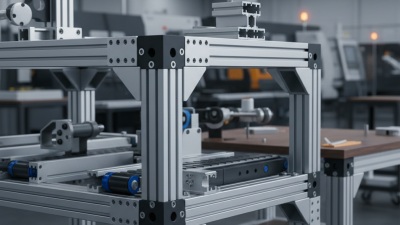
The "Extruded Aluminum T Slot Profile" is a versatile material widely used in various industries. This profile comprises an aluminum section with a T-shaped slot along its length. Its design allows for easy assembly and modification, making it a go-to choice for building structures and frameworks.
Many applications utilize the Extruded Aluminum T Slot Profile, from creating shelving systems to machine frames. The profile’s lightweight yet strong nature makes it ideal for both small projects and large industrial uses. It is easy to work with, allowing for the incorporation of additional components such as brackets and connectors. Designers appreciate the flexibility, but there are challenges. Ensuring proper alignment during assembly can be tricky.
Despite its advantages, not all projects work seamlessly with the Extruded Aluminum T Slot Profile. Some users encounter difficulties in finding the right fittings or accessories. Overcoming these hurdles requires patience and creativity. The ongoing exploration of this material can spark innovation while also highlighting its limitations.
Definition of Extruded Aluminum T Slot Profile
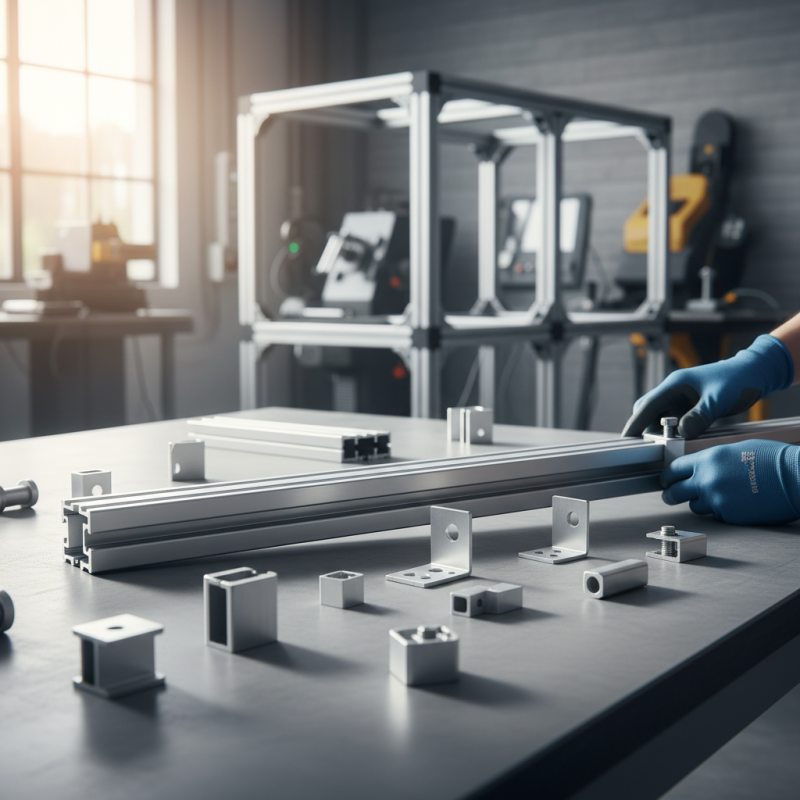
Extruded aluminum T slot profiles are versatile structural components used in various applications. These profiles feature a unique T-shaped cross-section that allows for easy assembly and customization. The design facilitates the joining of multiple profiles, making it ideal for creating frames, enclosures, and workstations.
One of the most appealing aspects of T slot profiles is their adaptability. Users can connect different components without specialized tools. This flexibility often leads to quicker assembly times. However, it’s important to acknowledge that improper alignment during installation can compromise stability. The ease of use might sometimes lead to overlooking these critical details.
In industries such as manufacturing, robotics, and furniture design, T slot profiles are frequently employed. They enable the creation of modular systems that can be modified as needs change. However, this modularity can come with challenges. If changes are not planned carefully, the final product may not meet the original requirements. Understanding both the advantages and limitations is essential for achieving optimal use of extruded aluminum T slot profiles.
Key Features and Benefits of T Slot Profiles
Extruded aluminum T slot profiles are versatile components used in various industries. These profiles are lightweight yet robust, making them popular for construction and manufacturing. The T slot design facilitates easy assembly and disassembly. This feature allows for quick customization and adaptability.
One of the key benefits of T slot profiles is their modularity. Builders can create custom frames or workstations with minimal tools. Combined with connectors, these profiles enable a myriad of configurations. This adaptability can conserve time and resources on projects.
Tips: Always consider the weight capacity when designing with T slots. Aligning components correctly is crucial for stability. Regular maintenance checks will ensure longevity and performance. Mistakes can lead to structure failures, so double-checking measurements is vital.
Applications of Extruded Aluminum T Slot Profiles
The chart above illustrates the various applications of extruded aluminum T slot profiles across different industries. The percentages represent the relative distribution of the T slot profiles' usage in each application area, highlighting its versatility and functionality.
Common Applications of Extruded Aluminum T Slot Profiles
Extruded aluminum T-slot profiles are versatile components used across various industries. These profiles are lightweight, strong, and resistant to corrosion. Their unique design allows for easy assembly and customization, making them ideal for both permanent and temporary structures. As per industry reports, the market for extruded aluminum profiles is expected to reach approximately $70 billion by 2024, showing a steady growth rate of 4.5% annually.
Common applications include manufacturing, automation, and construction. In manufacturing, T-slot profiles create modular workstations that enhance efficiency. Customizable assembly lines benefit from their adaptability, allowing quick adjustments as production needs change. In automation, these profiles support the construction of robotic frames and equipment supports. Their industrial suitability makes them a go-to choice for engineers.
However, challenges remain. Sometimes, the initial setup can be time-consuming. Misalignment or incorrect measurements can lead to structural weaknesses. Investing time into the design phase is crucial for success. This industry growth signals a need for improvement in design precision and quality control processes. Creasing the focus on these areas can help optimize overall efficiency in various applications.
What is Extruded Aluminum T Slot Profile and Its Applications?
| Application |
Description |
Industries |
Benefits |
| Modular Workstations |
Flexible setups that can be easily reconfigured. |
Manufacturing, Assembly |
Customizable, Space-saving |
| Machine Frames |
Robust frames to support machinery and equipment. |
Automation, Robotics |
Strength, Durability |
| Enclosures |
Protective coverings for sensitive equipment. |
Electronics, Laboratories |
Safety, Environmental Protection |
| Display Systems |
Versatile frames for retail displays and exhibitions. |
Retail, Trade Shows |
Aesthetically Pleasing, Easy Assembly |
| Transportation Racks |
Storage and transportation solutions for goods. |
Logistics, Warehousing |
Lightweight, Adjustable |
Installation and Assembly Techniques for T Slot Systems
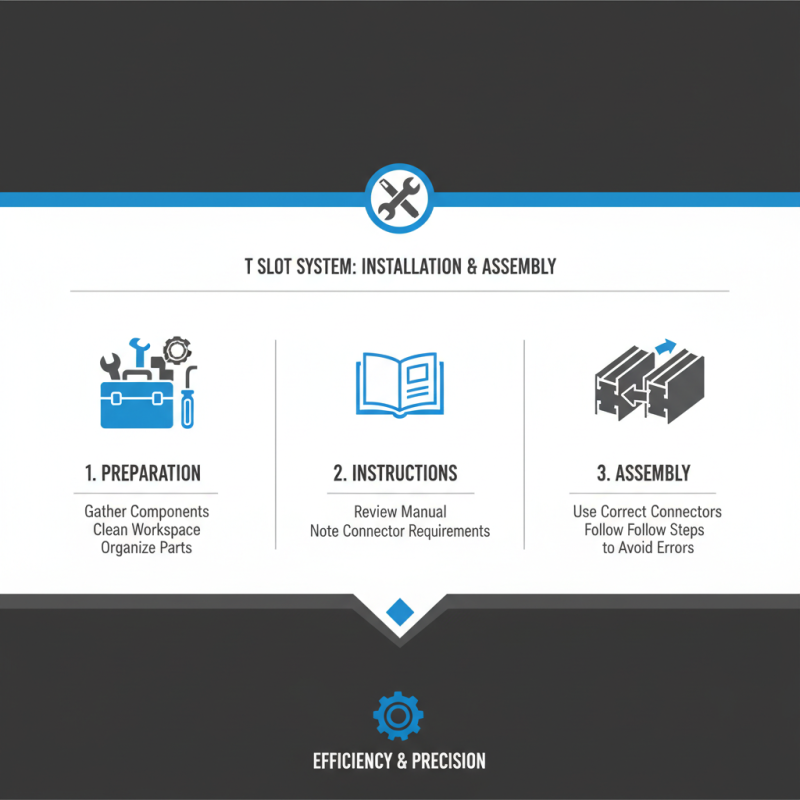
When installing a T slot system, preparation is key. Gather all necessary components before starting. A clean workspace helps maintain focus. It’s easy to misplace small parts, so keep them organized. Review the assembly instructions closely. Each profile has specific connector requirements. Not following these can lead to mistakes.
Begin with the base of your structure. Secure the first pieces with the appropriate fasteners. Over-tightening can strip the threads; be cautious. As you progress, check for alignment. Even slight misalignments can cause issues downstream. Use a square to ensure everything is straight.
When adding accessories, like panels or shelves, consider their weight. Unsupported sections may sag over time. It’s also wise to reflect on your goals. Are you building for flexibility or stability? T slot systems can adapt but require thoughtful planning. Lastly, don’t rush the assembly. Take time to double-check each step. Rushing can lead to frustration later.
Comparison with Other Structural Materials and Profiles
Extruded aluminum T slot profiles are popular in various industries. They offer versatility, strength, and lightweight characteristics. Comparing them to steel and traditional wood structures, aluminum profiles come out on top in terms of weight-to-strength ratio. According to a market report, aluminum structures can be 30-40% lighter than steel while maintaining similar strength levels. This advantage is crucial in applications like robotics and machinery.
However, while aluminum is resistant to corrosion, it may not be as durable as steel in some high-impact scenarios. Careful consideration is essential when selecting materials for demanding environments. Wood offers a unique aesthetic but lacks the resilience and adaptability of aluminum profiles. Options are limited with wood; it often requires additional maintenance over time.
Tips: When selecting structural profiles, weigh the application requirements. Choosing aluminum for modular projects saves time and resources. Remember to account for potential long-term costs, too. The initial investment might be higher but could lead to savings on labor and maintenance.