How to Select the Best Aluminium Kitchen Handle Extrusion for Your Needs?
Selecting the right Aluminium Kitchen Handle Extrusion can significantly enhance both functionality and aesthetics in your kitchen. According to a report by the Aluminium Association, the demand for custom extrusions has grown by 15% annually. This trend highlights the importance of making informed decisions about materials and designs that suit your specific needs.
Industry expert Dr. Emily Chen notes, “Understanding the properties of Aluminium Kitchen Handle Extrusion is vital for any successful kitchen design.” Her expertise emphasizes that the right handle can improve usability and overall appearance. With various styles and finishes available, it’s crucial to consider both functionality and design.
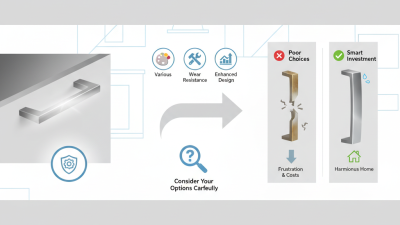
Moreover, it's essential to reflect on what works best for your kitchen's unique environment. Factors such as durability, corrosion resistance, and ergonomic design should guide your choice. While many options exist, not every extrusion will suit every kitchen. Prioritizing these elements can prevent costly mistakes and ensure your selection stands the test of time.
Understanding the Importance of Aluminium in Kitchen Handle Extrusions
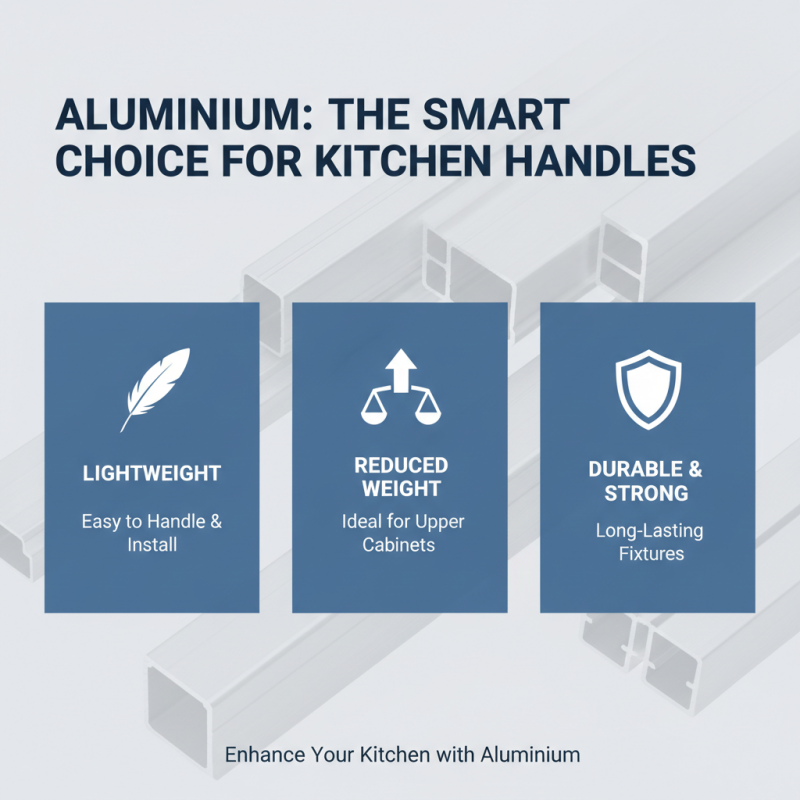
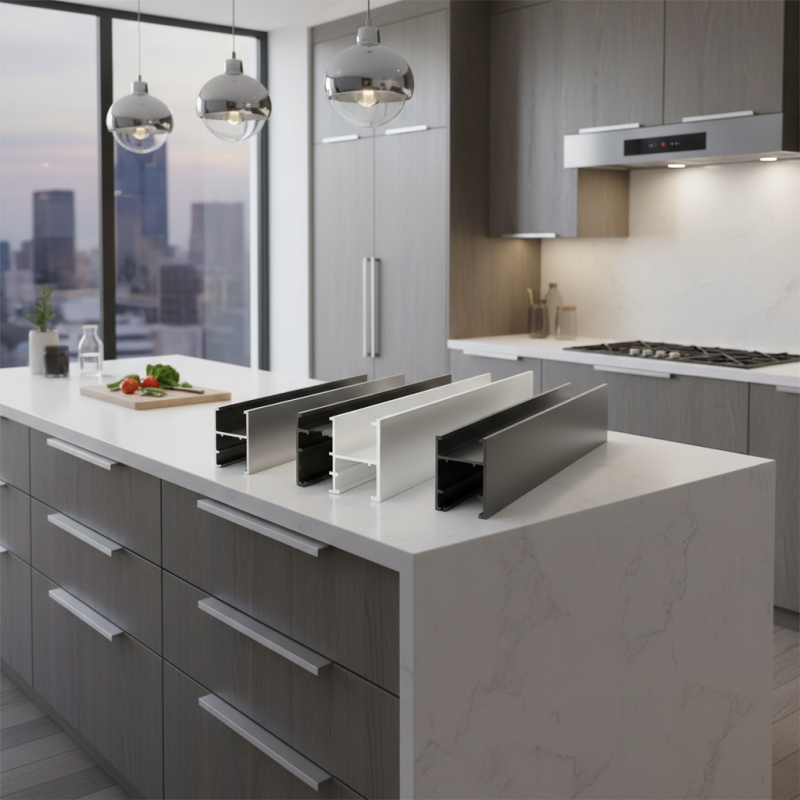
Aluminium plays a significant role in kitchen handle extrusions. Its lightweight nature makes it easy to handle and install. Unlike heavier materials, aluminium reduces the overall weight of your kitchen fixtures. This can be especially beneficial for upper cabinetry where balance is critical.
Moreover, aluminium is resistant to corrosion. This property is vital in a kitchen where spills and moisture are common. Handles made from aluminium will maintain their appearance over time. Yet, it’s essential to choose the right anodized finish to enhance durability and style. A poor-quality finish can lead to scratches and discoloration.
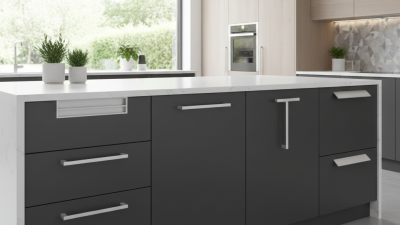
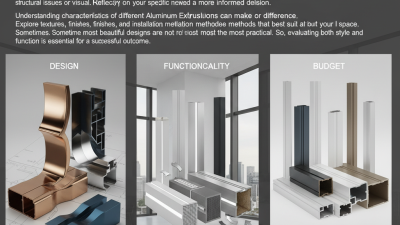
When considering aluminium kitchen handles, think about aesthetics and functionality. Some designs look sleek but may not be ergonomic. Others focus too much on style and can feel uncomfortable in hand. Finding a balance is crucial. Additionally, consider how the finish complements your kitchen decor. A mismatched handle can detract from the overall design. Reflecting on these aspects can guide you to a more informed choice.
Key Factors in Selecting the Right Aluminium Alloy for Handle Durability
When selecting an aluminium kitchen handle extrusion, the choice of alloy is crucial for durability. Certain aluminium alloys are tougher and can withstand heavy usage. Common options include 6061 and 6063, known for their strength and corrosion resistance. They provide long-lasting performance in busy kitchens.
Another essential factor is the temper of the alloy. Different tempers offer varying degrees of strength and flexibility. For instance, T4 temper allows for easy machining while maintaining good strength, whereas T6 offers improved strength but is less workable. Each temper has its pros and cons, and it's vital to evaluate them based on specific needs.
Consider the finish of the aluminium handle as well. A good finish not only enhances aesthetics but also adds a layer of protection. Anodized finishes can improve corrosion resistance but may scratch more easily than painted options. Reflecting on the balance between looks and durability is essential. Making informed, reflective choices will lead to a handle that meets your kitchen demands effectively.
Evaluating Surface Finishes: Enhancing Aesthetics and Resistance
When selecting aluminium kitchen handles, surface finish matters significantly. The right finish enhances aesthetics and durability. Popular options include anodized and powder-coated finishes. Anodizing creates a tough, corrosion-resistant layer. It offers a sleek, modern look. However, it can scratch more easily than you might expect.
Powder coating provides vibrant colors and a smooth touch. It resists fading but can chip if handled roughly. Think about your kitchen's style. A polished finish shines brightly under light. Yet, it can show fingerprints and smudges. A matte finish, while trendy, may feel less sleek.
Consider maintenance challenges too. Some finishes are easier to clean than others. For example, a textured surface may trap dirt more than a smooth one. Be aware of how each finish interacts with daily wear. Investing time in choosing the right finish can significantly impact your kitchen’s overall appeal. Reflect on what matters most—looks, durability, or something in between.
Sizing and Dimensions: How They Impact Functionality and Fit
Choosing the right aluminium kitchen handle extrusion involves careful consideration of sizing and dimensions. The size impacts not only the aesthetics of your kitchen but also its functionality. For instance, a handle that is too small can be uncomfortable to grip. On the other hand, an oversized handle may overwhelm the cabinet design or hinder movement. Understanding these dynamics is crucial.
Dimension also plays a role in installation. If a handle does not fit properly, it may cause misalignment, affecting the overall finish. Additionally, the distance between mounting points matters. A wider spacing might be necessary for larger cabinets, ensuring stability and ease of use. However, this adds complexity during installation, potentially leading to mistakes if not measured correctly.
Pay attention to the scale of your kitchen features. If your cabinets are minimalistic, a sleek handle may complement that better than a bulky one. Experimenting with various sizes can lead to reflections on what feels right. A practical approach is to test different handles before making a choice. Ultimately, proper sizing enhances both function and visual appeal.
How to Select the Best Aluminium Kitchen Handle Extrusion for Your Needs?
| Dimension Type |
Size (mm) |
Impact on Functionality |
Recommended Use |
| Length |
200 |
Suitable for smaller cabinets |
Cabinets, drawers |
| Length |
350 |
Provides a good grip on medium-sized cabinets |
Medium cabinets |
| Length |
500 |
Ideal for larger cabinets requiring more support |
Large kitchen units |
| Width |
15 |
Minimalist style, less intrusive |
Modern kitchens |
| Width |
25 |
Balanced grip area |
General use |
| Width |
40 |
Enhanced support for heavy doors |
Heavy-duty applications |
| Thickness |
1.5 |
Lightweight, less durable |
Light cabinet doors |
| Thickness |
2.5 |
Standard durability, versatile |
Most kitchen cabinets |
| Thickness |
3.5 |
Heavy-duty, ideal for large and frequently used doors |
Commercial use |