Essential Tips for Choosing Aluminium Ceiling Profile for Your Project?
Choosing the right Aluminium Ceiling Profile is crucial for any construction or renovation project. This decision can significantly impact the overall aesthetic and functionality. Aluminium is known for its durability, lightweight nature, and modern appeal. However, the variety of profiles available can be overwhelming.
When selecting an Aluminium Ceiling Profile, consider both style and practicality. Profiles come in various designs, each offering unique advantages. Pay attention to factors such as installation ease, maintenance requirements, and potential acoustical benefits. Often overlooked are the specific lighting and ventilation needs of a space.
It's important to reflect on the long-term implications of your choices. Will the profile match evolving design trends? Are you considering the environmental impact? As you navigate these questions, remember that the right choice enhances both your space and your experience within it.
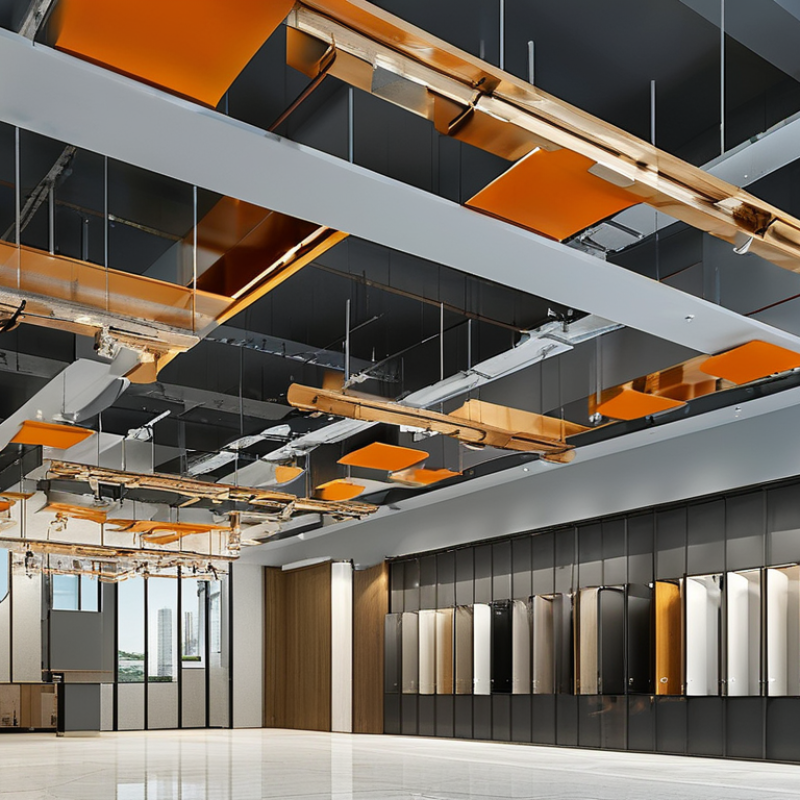
Understanding the Importance of Aluminium Ceiling Profiles in Design
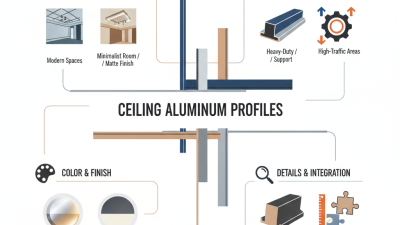
Aluminium ceiling profiles play a vital role in both functionality and aesthetics. They are essential in creating a polished look and enhancing the overall design of a space. These profiles can add depth and dimension while offering support for lighting and other fixtures. Understanding their importance can significantly impact the outcome of your project.
When choosing aluminium ceiling profiles, consider the style of your space. Sleek, modern profiles can create a contemporary environment. Alternatively, more intricate designs can evoke a sense of classic elegance. Additionally, the finish—be it matte or glossy—can alter the atmosphere greatly. This aspect should not be neglected during selection.
Here are a few tips to guide you. Ensure the profiles match your overall design theme. Balance functionality with aesthetic appeal. It is crucial to consider installation requirements. Some profiles might need specific tools or techniques for proper installation. Evaluate your environment's acoustics and temperature; these factors can affect your choice. Some profiles might be less suitable for humid areas, reflecting the need for careful planning. Choose wisely to avoid regrets later on.
Key Factors to Consider When Selecting Aluminium Ceiling Profiles
When selecting aluminium ceiling profiles, several key factors must be taken into account. Durability is paramount; aluminium is known for its resilience against environmental factors. According to industry reports, around 70% of architects prefer using aluminium for its long-lasting nature. This choice reduces maintenance costs, making it advantageous for large-scale projects.
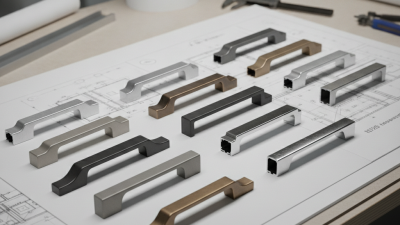
Aesthetic appeal is another crucial element. Aluminium profiles come in various finishes, allowing for customization that fits different design themes. Using textured or anodized finishes enhances the visual aspect. However, it is essential to choose a finish that will withstand wear and tear over time, ensuring the design retains its appeal.
Consider the installation process as well. Some profiles are easier to install than others. Complicated designs may lead to extra labor costs. It might sound tempting to select the most visually striking option, but practicality should not be overlooked. Collaborating with experienced installers can make a significant difference. Inspecting the profiles for quality faults before installation is advisable. This attention can save time and resources in the long run.
When making a choice, weigh both form and function carefully. Balancing these factors will lead to a successful project outcome. Ultimately, the right aluminium ceiling profile can enhance both aesthetics and longevity.
Types of Aluminium Ceiling Profiles and Their Applications
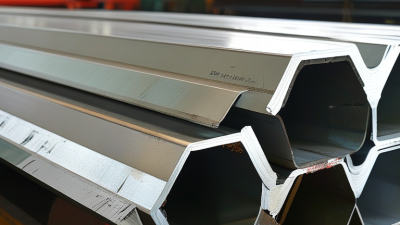
When selecting aluminium ceiling profiles, understanding the types available is crucial. There are several designs, such as square edges, concealed edges, and tongue-and-groove. Each has unique features and applications that cater to different aesthetic and functional needs. For instance, concealed edge profiles provide a seamless look, ideal for modern interiors, while square edges might suit traditional settings.
Choosing the right profile also depends on the project’s requirements. Consider the ceiling height and room size. A low ceiling might benefit from a sleek, minimalist profile that doesn’t overwhelm the space. Another important tip is to consider the material thickness. Thicker profiles tend to be more durable, but they might add weight.
Keep in mind that installation can be tricky. Not all profiles are easy to fit together. Some may require expert knowledge or tools. Always seek professional advice if unsure. Evaluate samples before committing. This ensures your choice aligns with the overall design vision of the project. Pay attention to the finishes, too; they affect the final appearance significantly.
Essential Tips for Choosing Aluminium Ceiling Profile for Your Project
| Profile Type |
Material Thickness |
Application Area |
Design Style |
| Hidden Groove |
0.6mm |
Residential Interiors |
Modern |
| Exposed Grid |
0.5mm |
Commercial Spaces |
Industrial |
| Metal Strip |
0.7mm |
Retail Stores |
Contemporary |
| Curved Profile |
0.8mm |
Theatres and Auditoriums |
Artistic |
| T-bar Profile |
0.6mm |
Office Spaces |
Neutral |
Installation Techniques for Aluminium Ceiling Profiles
When it comes to installing aluminium ceiling profiles, understanding the right techniques is crucial. A well-executed installation can enhance the overall aesthetics and functionality of a space. Research indicates that improper installation can lead to a decrease in the lifespan by as much as 30%. This emphasizes the importance of skilled craftsmanship.
Careful measurements are a prerequisite. Taking accurate dimensions ensures that the profiles fit snugly. Industry reports recommend using a laser level for precision. This minimizes errors that could compromise the integrity of the ceiling. Additionally, ensuring a uniform spacing between profiles can significantly impact the look. Inconsistent gaps can lead to an unprofessional finish.
Adapting to the environment is also important. Different settings may require specific installation techniques. For example, moisture-prone areas need different treatment compared to dry zones. Yet, not all installers consider these factors. This can result in the profiles warping or deteriorating faster than expected. Engaging with experienced professionals can mitigate these risks and help you achieve a longer-lasting installation.
Maintenance Tips for Longevity of Aluminium Ceiling Profiles
When installing aluminium ceiling profiles, regular maintenance is vital. Studies show that proper upkeep can extend the lifespan of individual profiles significantly. For instance, cleaning with a mild detergent solution once a month can remove dirt and grime. This simple act helps maintain the finish and prevents corrosion.
Inspecting for wear and tear is essential. Look for any signs of scratches or dents that might compromise the integrity of the profile. Minor issues can often be repaired easily but, if neglected, may lead to larger problems. According to industry reports, profiles exposed to intense moisture may develop issues more quickly.
Considering the environmental conditions of a project site is crucial. Areas with high humidity or salt exposure can dramatically affect aluminium profiles. To mitigate these risks, apply protective coatings regularly. Using specialized maintenance products designed for aluminium can enhance durability. While many may overlook these details, they are critical to achieving the desired longevity of your ceiling profiles.
Essential Tips for Choosing Aluminium Ceiling Profile
This bar chart illustrates the importance score of various factors to consider when choosing aluminium ceiling profiles for projects. Design flexibility and durability are rated the highest, while weight and maintenance are deemed less critical.