7 Best Aluminum Railing Extrusion Suppliers Worldwide?
Choosing the right supplier for aluminum railing systems requires more than comparing catalog prices. This guide examines seven leading Aluminum Railing Extrusion suppliers worldwide, focusing on practical factors that affect real construction projects. These factors include alloy consistency, extrusion accuracy, surface treatment, packaging, production capacity, and export experience. A reliable supplier should provide clear technical data, inspection records, and responsive communication from quotation to delivery.
In practice, small details can reveal major differences. A clean extrusion surface reduces visible defects after powder coating. Consistent wall thickness helps installers achieve accurate connections at stairs, balconies, and commercial walkways. Strong packaging also matters when long profiles travel across oceans. Scratched aluminum can create delays, rework, and unexpected costs.
The companies discussed here are assessed through an informed, industry-focused lens rather than a simple popularity ranking. Their capabilities may vary by region, product range, minimum order quantity, and customization support. Some suppliers appear highly competitive, yet their lead times or documentation may not fit every buyer. That deserves careful review.
Ask for samples.
Buyers should confirm alloy grades, temper specifications, finish standards, testing procedures, and warranty terms before placing an order. It is also wise to request references from comparable projects. A supplier with strong factory equipment may still need improvement in communication or after-sales service. No ranking is perfect.
This overview aims to help contractors, distributors, architects, and purchasing teams make better-informed decisions. With careful verification, the right partner can deliver durable profiles, predictable quality, and smoother installation results.

Understanding Aluminum Railing Extrusions and Their Applications
Aluminum railing extrusions are shaped profiles made by pressing heated aluminum through a precision die. This process creates consistent rails, posts, channels, and baluster supports. Their hollow sections reduce weight while retaining useful structural strength. Common applications include balconies, stairways, terraces, pedestrian bridges, and commercial entrances. Each setting demands careful attention to span, loading, exposure, and connection design.
In practice, reliable suppliers should provide alloy details, temper information, dimensional tolerances, and finish specifications. These records help engineers match an extrusion to its intended environment. Coastal projects may require stronger corrosion protection, while indoor stairways often prioritize appearance and easy cleaning. Drainage paths also matter. Trapped water can stain surfaces and weaken poorly planned connections. Small errors matter.
A professional review should examine wall thickness, straightness, cutting accuracy, and compatibility with brackets or glass systems. Samples reveal details that drawings can hide, especially rough edges, uneven coating, or loose fit between components. Powder coating, anodizing, and mill finishes offer different visual and maintenance results. However, a beautiful finish cannot repair weak design. I have seen projects over-specify appearance and under-check drainage. That choice deserves reconsideration. Suppliers with traceable testing, responsive technical support, and consistent production records are easier to evaluate worldwide. Regional climate data and installation experience should still guide the final selection.
Key Criteria for Evaluating Global Extrusion Suppliers
7 Best Aluminum Railing Extrusion Suppliers Worldwide?
Choosing among global aluminum railing extrusion suppliers requires more than comparing prices. Experienced buyers inspect alloy consistency, profile tolerance, surface finish, and production capacity. A reliable supplier should provide recent test reports, material certificates, and clear quality-control records. Ask how often they calibrate extrusion presses and inspect dies. Small deviations can create visible gaps during railing installation.
Supplier experience matters. Review completed projects, export history, and technical support capabilities. Can the engineering team adjust a profile without delaying production? Do they explain tooling costs clearly? Packaging also deserves attention. Protective film, reinforced crates, and moisture control can prevent scratches during long-distance shipping. Sustainability claims should include measurable information, such as recycled content or energy data. Vague promises deserve careful questioning.
Tips: Request samples before placing a large order. Measure wall thickness yourself. Compare finish consistency under direct light. Confirm tolerances in writing. Check whether replacement dies and spare profiles remain available. I have learned that fast replies do not always indicate strong production control. No supplier is perfect. A missed detail in drawings can still become an expensive problem. Keep communication documented, and ask for a pre-production approval sample before full-scale extrusion begins.
Seven Leading Aluminum Railing Extrusion Suppliers Worldwide
Seven Leading Aluminum Railing Extrusion Suppliers Worldwide
The seven leading aluminum railing extrusion suppliers worldwide serve construction, infrastructure, and residential renovation markets. Their strongest advantages include alloy control, die-making capability, surface finishing, and stable delivery. According to the International Aluminium Institute, global primary aluminum production reached about 70.6 million tonnes in 2023. That scale supports broad material availability, but it does not guarantee reliable railing profiles.
A practical supplier review should compare seven capabilities: billet sourcing, extrusion accuracy, custom tooling, powder coating, anodizing, testing, and export support. Grand View Research identifies construction as a major demand sector for aluminum extrusion products. Therefore, suppliers serving this sector should provide documented tensile strength, dimensional tolerances, coating thickness, and corrosion-resistance results. Ask for production samples. Inspect corners, screw channels, and protective wrapping. Small flaws matter.
Regional strength differs. North American suppliers often emphasize code documentation and project customization. European manufacturers commonly focus on finish consistency and environmental reporting. Asian producers may offer broader tooling options and competitive pricing. Middle Eastern and Southeast Asian suppliers can support fast-growing building markets. These patterns are useful, but not absolute. I would not rank suppliers by price alone. Freight damage, delayed dies, and inconsistent anodizing can erase early savings. The better choice is the supplier with verifiable testing, responsive engineering, and repeatable batch quality.
Comparing Supplier Capabilities, Certifications, and Product Quality
Choosing among the seven best aluminum railing extrusion suppliers requires more than comparing catalog photos. Capability starts with alloy control, die design, extrusion tolerance, and finishing capacity. The International Aluminium Institute reported 70.6 million tonnes of primary aluminum production in 2023. That scale makes traceability essential. Ask for heat numbers, alloy certificates, and batch records. Suppliers should also explain their aging, powder coating, and anodizing processes clearly.
Certifications deserve careful inspection. ISO 9001 confirms a quality management system, but it does not guarantee perfect railing profiles. The ISO Survey 2022 recorded more than 1.2 million ISO 9001 certificates worldwide. Therefore, certification alone is a weak filter. Request testing against relevant standards, such as ASTM E330 for structural performance, AAMA 611 for anodized finishes, or EN 755 for extrusion tolerances. Review recent test dates, laboratory identity, and the tested profile size. A certificate for one product may not represent every design.
Tips: Order samples from shortlisted suppliers. Measure wall thickness with calipers. Inspect corners, screw channels, and coating consistency under direct light. Ask for a small pilot batch before a large purchase. This step costs time. It can expose die marks, color variation, or poor packaging. Supplier claims may sound precise, yet documentation can remain incomplete. That is where careful questioning matters.
7 Best Aluminum Railing Extrusion Suppliers Worldwide
Supplier evaluation priorities based on commonly used aluminum extrusion purchasing criteria, international management standards, and railing product requirements.
Product quality receives the highest weighting because alloy consistency, dimensional accuracy, surface finish, and corrosion resistance directly affect railing safety and service life. Certifications help verify management and production controls, while tooling, finishing, capacity, and logistics indicate whether a supplier can support stable international projects.
How to Choose the Right Supplier for Your Project
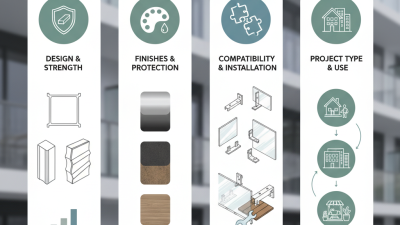
Choosing among the 7 best aluminum railing extrusion suppliers worldwide requires more than comparing prices. Your project may need a specific alloy, temper, wall thickness, or surface finish. Ask each supplier for technical drawings, tolerance data, and recent quality records. A dependable supplier should explain how it controls extrusion temperature, straightness, cutting accuracy, and coating thickness.
Request physical samples before placing a large order. Hold the profile in your hand. Check its edges, weight, finish consistency, and connection fit. Confirm production capacity, minimum order quantities, packaging methods, and delivery schedules. A supplier with clear traceability can identify the batch, material source, and inspection results. This matters when profiles will face coastal air, heavy traffic, or frequent cleaning. Price alone can hide costly delays.
Tips:
Compare like with like. Check alloy grades, finish standards, tolerances, and shipping terms together. Ask whether custom tooling is included or charged separately. Speak with a technical representative, not only a salesperson. I once underestimated packaging quality; several profiles arrived scratched despite excellent extrusion. That experience changed my evaluation process. Now, I inspect sample packaging and request photos of loaded shipments. Also, verify communication speed. Slow replies may become serious during installation. A supplier can look impressive on paper, yet still need closer testing.