Top Tips for Choosing Aluminum Ceiling Extrusion for Your Project?
When it comes to designing a space, the choice of materials can greatly influence the outcome. Aluminum Ceiling Extrusion is a popular option for homeowners and designers alike. This material offers a unique blend of durability and aesthetic appeal. With multiple styles available, selecting the right option can be challenging. Understanding how to navigate this decision is crucial for a successful project.
Incorporating Aluminum Ceiling Extrusion can completely transform a room. It adds a modern touch while also ensuring longevity. However, many people overlook specific details during the selection process. Color, finish, and texture can deeply affect the overall design. Small mistakes in these choices can lead to dissatisfaction later on.
It’s essential to consider the overall vision for the space when choosing Aluminum Ceiling Extrusion. Are you aiming for a minimalist look or something more ornate? Take the time to reflect on your personal style and project goals. This will guide you toward an informed decision that enhances your environment, rather than detracts from it.
Understanding Aluminum Ceiling Extrusion: Key Characteristics and Benefits
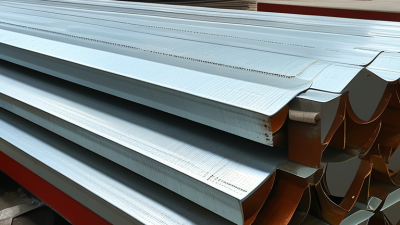
Aluminum ceiling extrusion has gained popularity in modern architecture. Its lightweight nature and durability make it a favorite for both commercial and residential projects. Understanding its key characteristics can help you make informed choices.
One major benefit of aluminum ceiling extrusion is its resistance to corrosion. This feature ensures longevity, especially in humid environments. Additionally, aluminum can be easily customized. This allows for a variety of finishes and designs that can complement any space. When choosing aluminum extrusions, consider the thickness. Thicker profiles may provide added strength but could also increase costs.
An important tip is to assess the installation process. Proper installation impacts the overall appearance and durability of the ceiling. Make sure the contractor has experience with aluminum options. This can prevent issues later. Pay attention to color options too. The right shade can enhance your environment significantly. A common oversight is neglecting maintenance; though aluminum is low-maintenance, a routine check can prevent any unexpected wear.
Assessing Your Project Requirements: Load-Bearing and Aesthetic Factors
When selecting aluminum ceiling extrusion, it’s crucial to evaluate your project requirements carefully. Consider the load-bearing capacity of the extrusion. Structural integrity is vital. If your design requires hanging elements or fixtures, ensure the extrusion can support them. This prevents future safety hazards and costly modifications.
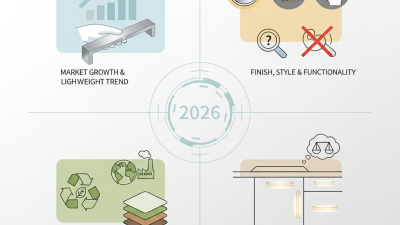
Additionally, aesthetics play a significant role. The color, finish, and style of the aluminum can influence the overall look of your space. Visual appeal can impact how users perceive the environment. A good choice improves ambiance but also requires careful consideration of maintenance. Choose a finish that suits the environment to reduce upkeep.
Reflecting on your needs is equally important. Understand how the extrusion interacts with other design elements. A sleek, modern design may clash with traditional architecture. Take time to visualize how different extrusions will fit into your space. Sometimes, it’s okay to reconsider your first choice. This careful analysis can lead to a more cohesive design and hopefully fewer regrets later on.
Material Specifications: Grades of Aluminum and Their Impact on Durability
When selecting aluminum ceiling extrusion for your project, understanding material specifications is critical. The grades of aluminum directly influence the durability and performance of the extrusions. Common grades include 6061 and 6063, each with unique properties. Grade 6061 offers greater strength and is often chosen for structural applications. In contrast, 6063 is known for its excellent finish and is prevalent in architectural designs.
Choosing the right grade can be a challenging decision. For instance, while 6063 is suitable for visual appeal, it may not withstand heavy loads as well as 6061. Assess your project requirements carefully. If longevity is a priority, opting for a higher-grade aluminum might be prudent. The finish is also significant. Some grades resist corrosion better than others, which can affect lifespan in humid environments.
It's essential to consider how extrusion dimensions impact strength and aesthetic. Wider extrusions can provide more stability but may be visually overwhelming. Balancing functionality with design is vital. Be cautious of relying solely on aesthetic qualities; structural integrity should not be compromised for beauty. Evaluate all factors thoroughly to ensure a wise choice for your project.
Top Tips for Choosing Aluminum Ceiling Extrusion for Your Project
| Aluminum Grade |
Alloy Composition |
Common Applications |
Corrosion Resistance |
Durability Rating |
| 6061 |
Mg 1.0%, Si 0.6% |
Structural components, marine applications |
Good |
High |
| 6063 |
Mg 0.5%, Si 0.2% |
Architectural applications, window frames |
Excellent |
Medium |
| 7075 |
Zn 5.6%, Mg 2.5% |
Aerospace and high-stress applications |
Fair |
Very High |
| 5005 |
Mg 3.5%, Si 0.7% |
Decorative applications, signage |
Good |
Medium |
Understanding Manufacturing Processes: Extrusion Techniques and Quality Standards
Choosing the right aluminum ceiling extrusion involves understanding the manufacturing processes behind it. One key technique is extrusion, where aluminum is forced through a die to create desired shapes. This process ensures uniformity, crucial for product consistency. However, not all extrusion techniques yield the same quality. Variations may arise from the materials used, temperature settings, and operational practices.
Quality standards are vital in aluminum extrusion. Adhering to these standards ensures that the final product meets structural and aesthetic needs. Inspecting the finished extrusions for defects is essential. Common issues include surface imperfections and inconsistencies in thickness. It's important to evaluate suppliers based on their quality assurance practices. A reliable supplier will often provide certifications that confirm compliance with industry benchmarks.
Moreover, developing a keen eye for detail can make a significant difference. Look for extrusions that have been tested for strength and durability. Awareness of potential flaws is crucial. Not every extruded product will meet project specifications. Understanding these manufacturing nuances equips you to make informed choices that enhance the integrity of your project.
Cost Analysis: Budgeting for Aluminum Ceiling Extrusions in Your Project
When budgeting for aluminum ceiling extrusions, cost is a key factor. According to industry reports, the average cost of aluminum materials ranges from $2.50 to $4.50 per pound. Prices can vary based on alloy type, finish, and customization options. Supplies may account for 40% to 60% of your total budget. Understanding these variations is critical for effective project planning.
Labor costs also play a significant role. Installation can add about $10 to $20 per square foot. Complex designs or patterns can increase these costs. It’s essential to factor in potential delays and unexpected expenses that may arise. Some contractors may recommend a reserve of 10% to 15% of the total budget for such uncertainties.
Quality should not be overlooked in budget considerations. Cheaper materials might seem appealing but can lead to higher maintenance costs over time. A study from the Aluminum Association highlights that well-designed aluminum systems can last over 30 years. Higher upfront investments in quality can yield long-term savings. Balancing cost with durability and design is necessary for a successful outcome.