Choosing a reliable Aluminium Angle Section Profile supplier requires more than comparing catalogue prices. Buyers must examine alloy grades, dimensional tolerances, surface finishes, tooling capability, and production consistency. A profile that looks correct on a screen may twist during installation or show uneven anodising under bright warehouse lights.
This guide reviews ten leading Chinese suppliers through a practical purchasing lens. It considers extrusion capacity, quality-control procedures, customization support, export experience, packaging, and after-sales communication. Dr. Peter Tom Jones, an aluminium-industry researcher, has said, “Aluminium is not a single solution; its value depends on how responsibly it is designed, used, and recovered.” That principle matters here. A capable supplier should explain material choices clearly and provide traceable inspection records.
Details matter.
Some suppliers excel in architectural profiles, while others focus on industrial frames, machinery guards, furniture, or solar mounting systems. Their strengths are not interchangeable. A lower quotation may also hide higher tooling costs, inconsistent alloy chemistry, or weaker protective packaging. This article does not treat rankings as permanent facts. Factory equipment, certifications, lead times, and service teams can change. Buyers should verify current samples, test reports, certifications, and commercial terms before placing an order. Even experienced purchasers can overlook small tolerance differences. Those differences may later create visible gaps, difficult assembly, and unnecessary waste.
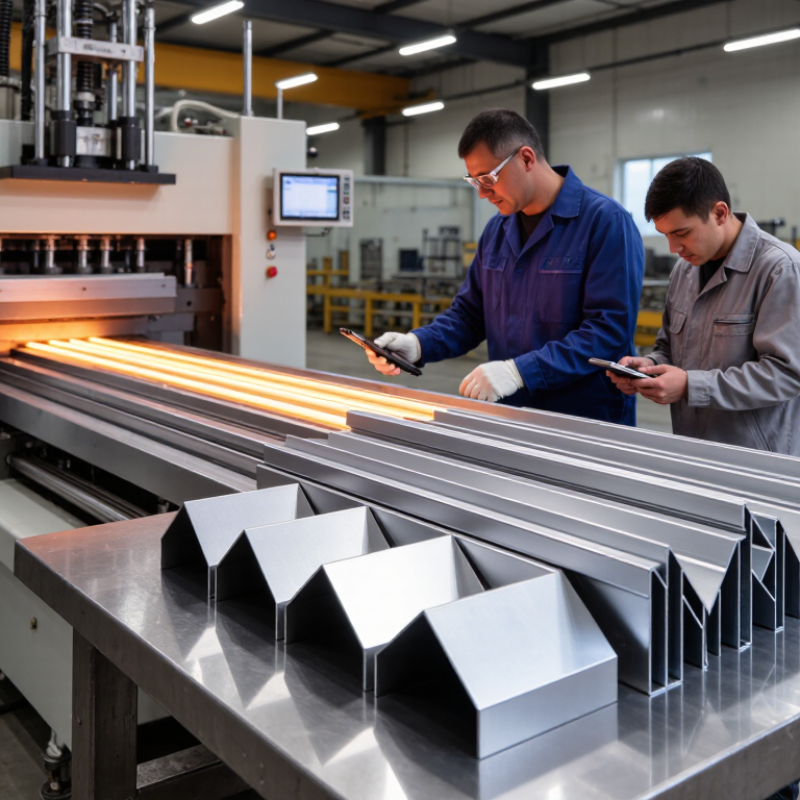
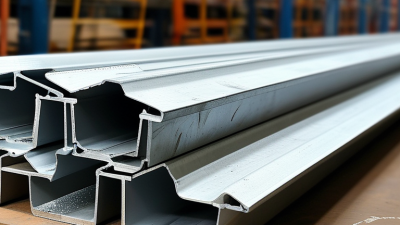
An aluminium angle section is an L-shaped profile made from an aluminium alloy. Its two legs may have equal or different widths. Extrusion creates a continuous, precise shape with clean edges. Common choices include 6063 for appearance and 6061 for higher structural strength. Wall thickness, temper, and surface finish affect performance. A polished surface looks attractive, but it does not prove suitable load capacity.
These sections support frames, shelving, machine guards, window surrounds, and interior trim. In construction, they can protect exposed corners or connect lightweight panels. In workshops, a 40 mm equal angle may reinforce a cabinet frame with little added weight. Longer lengths reduce joints, while drilled or cut pieces simplify installation. Outdoor use needs careful attention to corrosion, fasteners, and drainage. Moisture trapped between surfaces can create problems.
Reliable suppliers should provide dimensional tolerances, alloy information, test documents, and consistent packing. Samples deserve inspection before a large order. Check straightness, corner radius, burrs, and coating thickness under real lighting. A neat profile can still contain small twists. That detail is easy to miss. Selection should follow the actual load, environment, and joining method, not appearance alone. Even experienced buyers may choose an angle that is too thin. Revisiting the design early is cheaper than correcting movement or vibration later.
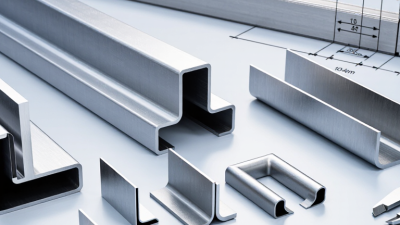
When comparing China’s top aluminium angle section profile suppliers, product pages are only a starting point. A reliable evaluation needs measurable evidence. Request the alloy grade, temper, leg dimensions, wall thickness, and dimensional tolerances. For structural or outdoor use, ask for corrosion testing and clear surface-finish specifications.
Check whether the supplier controls extrusion, cutting, drilling, and packaging in-house. A capable factory should provide recent inspection reports, material certificates, and batch traceability. Ask for a small sample before approving a large order. Measure the angle with calipers, inspect the corners for distortion, and check the anodized surface under direct light. Small defects often appear after installation.
Production capacity also deserves careful review. Compare tooling fees, minimum order quantities, lead times, and replacement policies in writing. Ask how rejected profiles are separated and recorded. During sourcing work, I have found that fast replies can hide weak technical knowledge. A factory may promise tight tolerances, yet avoid showing process data. That is a warning sign.
Communication quality matters, but it should support evidence, not replace it. I would also review export experience, packaging strength, and independent pre-shipment inspection options. No evaluation is perfect. Even a well-documented supplier can make an occasional mistake, so approval should remain based on samples, records, and repeated performance.
China’s top 10 aluminium angle section profile suppliers should be assessed through measurable performance, not attractive catalogs. Experienced buyers usually check alloy options, die capability, dimensional control, and production stability. Common choices include 6063-T5 for architectural frames and 6061-T6 for stronger industrial structures.
Ask each supplier for recent inspection reports, material certificates, and sample sections from actual production. Measure leg length, wall thickness, straightness, and corner radius with calibrated tools. A reliable factory should explain tolerances clearly, rather than promise “perfect quality.” That matters.
Surface treatment also deserves close attention. Anodizing should show consistent color and film thickness across the profile. Powder coating needs adhesion testing, especially for outdoor projects. Suppliers with ISO-based quality systems may offer better traceability, but certification alone does not guarantee careful work.
Production details reveal more than sales language. Review die design, extrusion press capacity, minimum order quantities, packaging methods, and replacement procedures. Profiles should arrive separated with protective film or suitable spacers, without crushed corners. Some suppliers provide fast quotations but weak technical drawings. That is a warning.
The strongest candidates among China’s top 10 suppliers combine engineering support, stable lead times, transparent communication, and documented inspections. Still, ranking suppliers is not absolute. A factory excellent for standard angles may struggle with thin walls, tight tolerances, or custom anodizing. Buyers should test samples before approving mass production. Costs can change after tooling, finishing, and freight are included. Evaluate the complete delivered solution, not only the unit price.
China Top 10 Aluminium Angle Section Profile Suppliers: How the Leading Suppliers Compare in Products and Services
China’s leading aluminium angle section suppliers differ more in control systems than in catalog size. The International Aluminium Institute reported about 70.6 million tonnes of global primary aluminium production in 2023. That scale supports broad extrusion capacity, but it does not guarantee consistent profiles. Buyers should compare alloy options, temper control, dimensional tolerances, and wall-thickness stability. A reliable supplier can provide 6063 and 6061 grades, mill certificates, inspection records, and traceable batch numbers. Small details matter. A two-millimeter angle may twist during packaging or installation.
Service quality separates the stronger candidates. Suppliers with in-house mould design usually reduce tooling delays and correct profile defects faster. Look for trial samples, drawing confirmation, surface-finish swatches, and clearly stated minimum order quantities. Powder coating, anodizing, cutting, drilling, and protective film can simplify procurement. However, bundled services sometimes hide longer lead times. Ask for production schedules, pre-shipment inspection procedures, and packaging photographs. The International Organization for Standardization emphasizes documented quality processes, yet certification alone is not proof of practical consistency. Factory audits remain useful. My own view is slightly cautious: comparison tables often reward low prices, while actual projects remember poor packaging, late revisions, and uneven color matching. Freight support and responsive engineering communication deserve equal attention. Supplier rankings should therefore combine product evidence, service records, and realistic delivery performance rather than marketing claims.
Anonymous benchmark comparison based on commonly available Chinese aluminium extrusion capabilities, standard alloy specifications, surface treatments, quality documentation and export services. Commercial terms, capacity and lead times should be confirmed directly before purchase.
| Rank | Anonymous Supplier Profile | Main Product Scope | Common Alloys & Tempers | Typical Maximum Extrusion Length | Surface Finishes | Applicable Standards | Custom Tooling | Quality Documents | Export Service Profile |
|---|---|---|---|---|---|---|---|---|---|
| 01 | Profile A — Integrated Extrusion Specialist | Equal and unequal aluminium angles, structural sections, frames and industrial profiles | 6063-T5/T6, 6061-T6, 6082-T6 | Usually up to 6–7 m | Mill finish, anodized, powder coated, PVDF, wood-grain transfer | GB/T 6892, EN 755, ASTM B221 | Available | COA, dimensional report, inspection report | Container loading, export packing, commercial documentation |
| 02 | Profile B — Architectural Profile Manufacturer | Decorative angles, curtain-wall accessories, door and window sections | 6063-T5/T6, 6005A-T5 | Usually up to 6 m | Anodizing, powder coating, electrophoretic coating, mill finish | GB/T 5237, EN 755, EN 12020 | Available | Colour sample, coating report, dimensional inspection | Colour matching, profile samples, pallet and carton packing |
| 03 | Profile C — Industrial Extrusion Partner | Machine guards, equipment frames, mounting rails and heavy-duty angles | 6061-T6, 6063-T5, 6082-T6 | Usually up to 7 m | Mill finish, anodized, powder coated | ASTM B221, EN 755, ISO 2768 for machining where specified | Available | Material certificate, first-article report, QC checklist | Cut-to-length, drilling, milling, deburring and assembly support |
| 04 | Profile D — High-Volume Production Supplier | Standard aluminium angles and repeat-production construction profiles | 6063-T5, 6063-T6, 6061-T6 | Usually up to 6 m | Mill finish, anodized, powder coated | GB/T 6892, GB/T 5237, ASTM B221 | Available for repeat orders | Mill test certificate, packing list, inspection report | Competitive batch production, standard export packaging |
| 05 | Profile E — Small-Batch Custom Fabricator | Prototype angles, low-volume profiles and project-specific sections | 6063-T5, 6061-T6; other 6000-series alloys on request | Usually 3–6 m | Mill finish, anodized and powder coated subject to batch size | GB/T 6892, ASTM B221 by agreement | Available | Sample approval, dimensional report, material declaration | Design feedback, prototype samples and flexible order quantities |
| 06 | Profile F — Surface-Finish Focused Supplier | Visible architectural angles and colour-critical interior profiles | 6063-T5/T6, 6061-T6 | Usually up to 6 m | Anodized, powder coated, PVDF, wood-grain and polishing | GB/T 5237, AAMA 2603/2604/2605 where specified | Available | Colour approval, coating thickness, adhesion and appearance reports | Colour cards, protective film, separated packing and sample panels |
| 07 | Profile G — Fabrication and Assembly Supplier | Angles with CNC cutting, drilling, tapping, bending and sub-assembly | 6061-T6, 6063-T5, 6082-T6 | Usually up to 6 m before fabrication | Mill finish, anodized and powder coated | ASTM B221, EN 755, ISO 2768 where applicable | Available | FAI report, inspection records, material certificate | Finished-part packing, assembly instructions and barcode labelling |
| 08 | Profile H — Regional Project Supplier | Construction angles, trim sections and project-based extrusion orders | 6063-T5/T6, 6061-T6 | Usually up to 6 m | Mill finish, anodized and powder coated | GB/T 6892, GB/T 5237, EN 755 by agreement | Available | COA, packing list, basic dimensional inspection | Project scheduling, mixed-size packing and container consolidation |
| 09 | Profile I — Distributor-Linked Extrusion Source | Standard angles, maintenance parts and mixed-profile procurement | Commonly 6063-T5 and 6061-T6 | Usually 3–6 m | Mill finish and standard anodized finishes | GB/T 6892, ASTM B221 subject to order specification | Limited or outsourced | Material certificate and basic inspection documents | Mixed-item sourcing, smaller order quantities and consolidated shipping |
| 10 | Profile J — OEM Export-Oriented Supplier | Private-label angles, engineered profiles and repeat OEM programmes | 6063-T5/T6, 6061-T6, 6005A-T5 | Usually up to 6–7 m | Mill finish, anodized, powder coated and PVDF | GB/T 6892, EN 755, ASTM B221, ISO 9001 processes where certified | Available | COA, inspection plan, dimensional report and shipment dossier | OEM packaging, neutral labelling, inspection coordination and export compliance support |
When comparing China’s top aluminium angle section profile suppliers, start with evidence, not rankings. Ask for the alloy grade, temper, dimensional tolerances, and applicable test standards. A reliable supplier should provide recent mill certificates and inspection reports. Check whether the certificate matches your actual order, not only a generic sample.
Request a physical sample with the same alloy, wall thickness, and surface finish. Measure the angle with calipers, inspect the corners for cracks, and look for uneven anodizing near the edges.
Ask how extrusion dies are designed, maintained, and replaced. A capable quality team can explain its sampling plan, rejection limits, and corrective actions clearly. Vague answers deserve caution.
Factory verification also matters. Review production capacity, furnace records, packing methods, and traceability from billet to shipment. For outdoor use, confirm coating thickness, color tolerance, and corrosion testing.
Clarify lead times, tooling charges, packaging details, and agreed inspection points in writing. A supplier may quote an attractive price, then add costs for die changes or special wrapping.
I once focused too heavily on price; the first samples looked acceptable, but their dimensions shifted across the batch. That mistake made batch consistency more important than a polished sales presentation. Ask for references from comparable projects, while remembering that even good references cannot replace your own inspection.