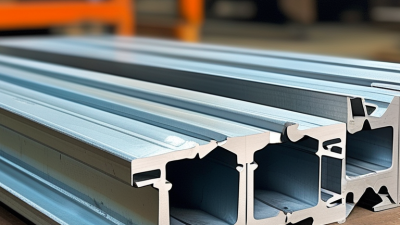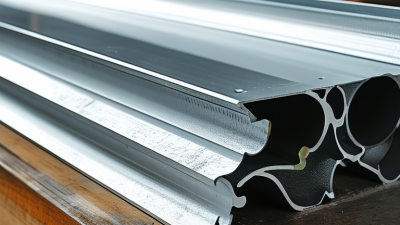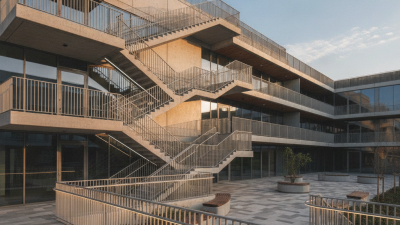
China’s aluminium industry has become a major manufacturing base for architectural building products. The U.S. Geological Survey reported approximately 41 million metric tons of primary aluminium production in China in 2023. This scale supports extensive extrusion capacity, skilled tooling networks, and competitive material sourcing.
However, production volume does not automatically identify the best Aluminium Ceiling Extrusion manufacturer. Ceiling systems require consistent alloy chemistry, accurate profiles, smooth surfaces, and reliable dimensional control. The International Aluminium Institute continues to highlight aluminium’s importance in lightweight, durable, and recyclable construction applications. These benefits matter in commercial interiors, airports, offices, and public buildings.
A practical comparison should examine more than factory size. Buyers need to review alloy options, extrusion tolerances, die-making capability, anodizing quality, powder-coating performance, and packaging methods. ISO 9001 certification can indicate a structured quality system, but it cannot replace product testing. Ask for inspection records, sample sections, coating thickness data, and references from similar projects.
Small details often reveal manufacturing maturity. A clean ceiling profile should fit without forced alignment. Its corners should remain sharp after finishing. Surface color should stay consistent under strong lighting. This is where many supplier comparisons become too optimistic. Marketing claims may look polished, while production evidence remains limited.
This guide examines China’s leading manufacturers through technical capability, quality control, customization support, delivery reliability, and export experience. The ranking is not absolute. Project requirements differ, and a lower-cost supplier may still create higher installation risks. Direct verification remains essential.
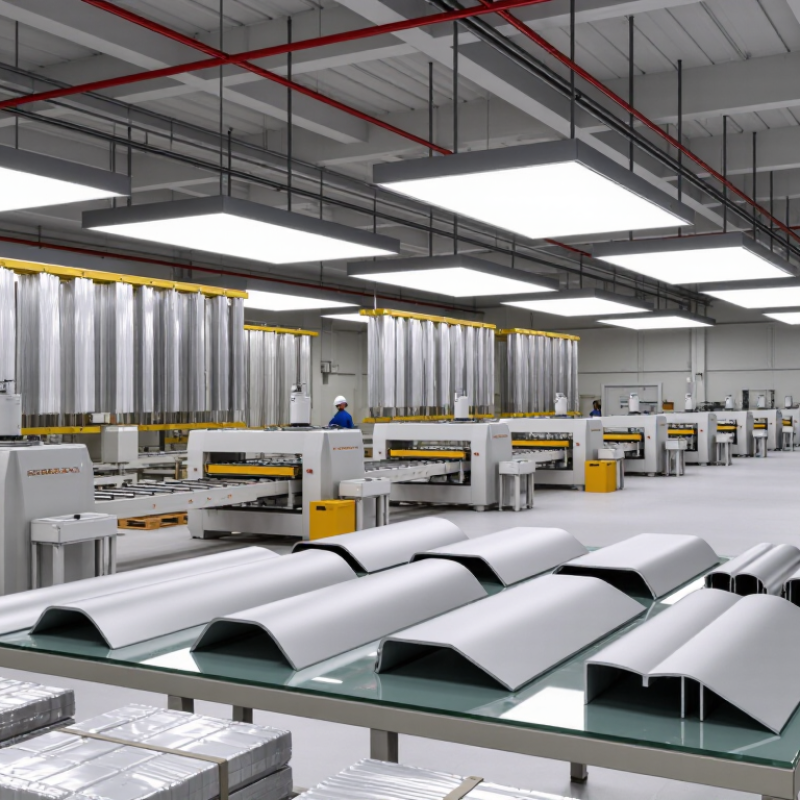
An aluminium ceiling extrusion manufacturer is a specialist that converts aluminium billets into precise ceiling profiles. The process begins with technical drawings, alloy selection, and die design. Heated aluminium is pushed through the die to create a continuous section. It may then be cooled, stretched, cut, and aged for better stability.
A capable manufacturer understands more than extrusion pressure. It studies ceiling spans, panel connections, lighting gaps, suspension systems, and installation conditions. Engineers check wall thickness, dimensional tolerance, surface flatness, and profile strength. Common finishes include anodizing, powder coating, and mill finish. Each option changes appearance, durability, and maintenance needs. Small details matter here.
Quality should be visible in the records. Reliable factories keep batch numbers, inspection reports, and material certificates for each order. They also use gauges, calipers, and coating tests during production. Experience helps solve problems such as die lines, twisting, uneven color, or difficult assembly. No production line is perfect. A drawing can still hide an installation problem. Honest manufacturers review samples with clients and adjust tooling when necessary. Clear communication, realistic tolerances, and repeatable inspection often separate a dependable supplier from a simple metal processor.
Primary aluminium production is an important indicator of regional supply capacity for extrusion manufacturers. China represented the largest share of global production in 2023, while other major producing regions also support the availability of aluminium billets used for ceiling profiles. Data is based on International Aluminium Institute regional production statistics and is shown in million metric tonnes.
China’s leading aluminium extrusion producers combine engineering control with high-volume manufacturing. For ceiling systems, they commonly work with 6063 aluminium because it offers clean surfaces and reliable formability. Experienced teams review drawings before tooling begins. They check profile weight, wall thickness, slot position, and installation clearances. Small errors can cause visible gaps on a finished ceiling.
Strong producers use computer-aided die design and controlled billet heating. Their workshops monitor extrusion speed, cooling conditions, and straightening pressure. These details influence surface quality and dimensional stability. Some factories support anodizing, powder coating, wood-grain transfer, and custom color matching. Sample sections should be inspected under bright light. A smooth finish can still hide uneven coating thickness. That weakness matters.
Reliable suppliers also provide batch records, material certificates, inspection reports, and packing specifications. Independent testing may verify alloy composition, coating adhesion, color consistency, and corrosion resistance. Export packaging deserves attention too. Protective film, corner guards, and separated bundles can reduce scratches during handling. Factory visits offer useful evidence, but they do not replace documented quality checks. No production line is perfect. Buyers should clarify acceptable tolerances, approval samples, replacement procedures, and delivery limits before placing large orders. Clear communication often reveals more than polished factory photos.
| Capability Area | Typical Capability of Established Producers | Common Technical Details | Relevant Standard or Verification |
|---|---|---|---|
| Product Scope | Extruded aluminium profiles for linear, lay-in, clip-in, baffle, strip and custom ceiling systems | Profiles may be supplied as standard sections or made from customer-approved drawings and dies | Approved drawings, samples, die trials and first-article inspection |
| Common Aluminium Alloys | 6063 is widely used for architectural profiles; 6061 and 6005A are selected when higher strength is required | Typical tempers include T5 and T6, depending on the required strength, surface finish and application | Chemical composition and mechanical properties checked against the specified alloy standard |
| Extrusion Technology | Direct hot extrusion using hydraulic presses, followed by stretching, cutting and aging | Press capacity and billet size are selected according to profile cross-section, wall thickness and complexity | Process records, press settings, extrusion speed and heat-treatment records |
| Profile Dimensional Control | Dimensional control based on profile geometry, alloy, temper and the agreed drawing tolerance | Critical dimensions commonly include width, height, wall thickness, flatness, straightness and twist | EN 755-9, ASTM B221 or another standard specified in the purchase order |
| Surface Finishes | Mill finish, anodized, powder coated, PVDF coated, wood-effect transfer and brushed finishes | Finish selection depends on colour, gloss, corrosion exposure, appearance requirements and indoor or outdoor use | Approved colour panel, coating thickness test, adhesion test and visual inspection |
| Anodizing Capability | Anodized finishes are available for decorative and protective architectural applications | Natural, silver, bronze, champagne, black and other agreed colours may be produced subject to alloy and batch consistency | ISO 7599 or the project-specified anodizing and film-thickness requirements |
| Powder Coating Capability | Polyester powder coating for interior and architectural applications, with exterior-grade systems available when specified | Colour matching is normally controlled using an approved physical sample or recognized colour reference | ISO 2813 for gloss, ISO 2409 for adhesion and project-specific coating specifications |
| Secondary Fabrication | Cutting, punching, drilling, CNC machining, bending, slotting, assembly and end preparation | Fabrication is performed according to approved production drawings and installation requirements | Inspection plans covering hole position, cut length, angle, burrs and assembly fit |
| Tooling and Die Development | In-house or partnered die design, die correction, trial extrusion and profile optimization | Die design considers wall balance, bearing length, metal flow, tolerances and surface requirements | Die drawings, trial samples, correction records and customer sample approval |
| Quality Management | Documented quality control from billet receipt through extrusion, finishing, packing and shipment | Traceability commonly covers alloy batch, production date, extrusion lot and finishing batch | ISO 9001 certification or equivalent documented quality-management procedures |
| Testing and Inspection | Chemical, mechanical, dimensional, visual and coating inspections can be arranged according to project needs | Typical checks include hardness, tensile properties, colour, gloss, coating adhesion and profile dimensions | Inspection reports, certificates of conformity and third-party laboratory testing where required |
| Ceiling-System Compatibility | Profiles can be designed for concealed clips, carriers, suspension systems, light integration and access panels | Compatibility must be verified against the complete ceiling assembly, including hangers, clips and supporting structure | Installation drawings, sample assembly, load review and project approval |
| Packaging and Export Support | Protective film, paper wrapping, foam separation, carton packing, pallets and container loading plans | Packaging is adapted to profile length, surface sensitivity, stacking method and destination requirements | Packing approval, loading photographs, shipping marks and export documentation review |
Note: The specifications above describe commonly available capabilities and industry practices for established aluminium extrusion producers. Actual alloy, tolerance, finish, testing and delivery parameters should be confirmed in the approved quotation, technical drawing and purchase contract.
Evaluating aluminium ceiling extrusion manufacturers requires more than comparing quotations. Start with technical evidence. Ask for alloy certificates, billet origins, extrusion records, and independent test results. For common 6063 profiles, check chemical composition, T5 or T6 temper, wall-thickness variation, and straightness against agreed specifications. Small deviations can create visible gaps during installation.
Surface treatment deserves close attention. Request anodizing thickness records, color-tolerance data, and adhesion tests. Powder coating should include curing records and documented weathering performance. ISO 7599 supports anodizing quality control, while ISO 6362 provides useful references for extruded aluminium tolerances. A factory visit can reveal practical details: clean die storage, calibrated gauges, organized samples, and protected finished profiles. Photos are helpful, but they are not proof.
Sustainability is also measurable. The International Energy Agency reports that recycled aluminium uses about 5% of the energy required for primary aluminium production. Therefore, ask whether the manufacturer separates recycled content and provides batch traceability. The International Aluminium Institute reports that aluminium production contributes roughly 2% of global greenhouse-gas emissions, making energy sourcing relevant. Production capacity alone can mislead. A large workshop may still struggle with small, customized ceiling orders. I would compare three recent projects, inspect retained samples, and verify delivery records. One weakness remains: supplier documents can be polished. Independent verification is still necessary.
Aluminium ceiling extrusions include linear baffles, clip-in panels, perimeter trims, and concealed suspension profiles.
Linear baffles create clean, repeated lines across offices, shopping areas, and transport halls.
Clip-in systems provide neat access to electrical services above the ceiling. Perimeter trims frame the installation and hide uneven wall joints. Curved extrusions support more expressive designs in reception areas and cultural buildings.
Small details matter.
Extruders commonly use corrosion-resistant aluminium alloys for lightweight, stable profiles. Anodized surfaces offer a metallic appearance, while powder coatings provide broader color choices. Fabricators should control wall thickness, straightness, and slot accuracy.
Poor tolerances can cause visible gaps during installation. I have seen attractive samples fail because the joining method was overlooked.
Their low weight can reduce handling effort on elevated work platforms. Slotted baffles may also support ventilation and lighting coordination.
However, an open ceiling is not automatically acoustically effective. Designers should check absorption materials, spacing, and room reverberation data.
Reliable manufacturers should provide section drawings, finish samples, dimensional records, and relevant test documents. Trial assembly is valuable, especially for curved corners and long suspended runs. Small errors become obvious under strong lighting.
Choosing China’s top aluminium ceiling extrusion manufacturers requires more than comparing catalogues. The USGS Mineral Commodity Summaries 2024 recorded about 70 million tonnes of global primary aluminium production in 2023. That scale creates capacity, but not automatic quality. Audit the actual extrusion line, alloy control, die maintenance, and inspection records. For ceiling profiles, request evidence for 6063-T5 or the specified alloy, dimensional tolerances, coating thickness, adhesion, and surface consistency. Relevant references may include ISO 9001, EN 755, EN 12020, ASTM B221, and project-specific ceiling standards.
Customization should begin with drawings, not promises. Confirm profile weight, wall thickness, slot geometry, corner joints, access-panel fit, and lighting channels before tooling. A strong manufacturer provides die-flow analysis, first-article samples, inspection reports, and controlled revision records. Small changes matter. A 0.2-millimetre variation can affect clip engagement or visible shadow lines. Powder coating, anodizing, wood-effect finishes, and perforated panels need separate sample approval. A polished sample can still hide batch variation. This deserves skepticism.
Export planning also affects product quality. Ask for seaworthy packing, moisture barriers, bundle identification, commercial invoices, packing lists, certificates of origin, and correct tariff classification. Wooden crates should follow ISPM 15 requirements where applicable. The International Aluminium Institute reports that recycled aluminium uses roughly 5% of the energy required for primary aluminium. Request recycled-content evidence, but verify it. Sustainability claims without chain-of-custody documents are weak. Incoterms, loading photos, container limits, and replacement procedures should be written into the contract. Discounts are less valuable when damaged profiles arrive without traceability.