Choosing among China’s top Aluminum Railing Extrusion suppliers requires more than comparing online prices. A dependable supplier should demonstrate consistent alloy quality, accurate dimensions, and stable production capacity. The most common materials include 6063-T5 and 6063-T6 aluminum, but the correct temper depends on railing design and installation conditions. Ask for mill certificates, inspection records, and samples from recent production batches. A polished website is useful, but it does not prove manufacturing reliability.
Experienced buyers also examine tooling control, surface treatment, packaging, and delivery communication. An extrusion profile may look excellent in a sample room, yet arrive scratched after overseas transport. Clear protective film, reinforced cartons, and moisture-resistant loading methods matter. Powder coating should be checked for color consistency, adhesion, and outdoor durability. Anodized finishes deserve close attention around corners and cut edges. Small defects can become visible across an entire balcony project.
The strongest suppliers usually provide technical drawings, die-development support, cutting services, and practical installation guidance. They should explain tolerances honestly, rather than promise perfection. This matters.
A useful comparison should include factory audits, third-party testing, response speed, and after-sales handling. Certifications can support credibility, but buyers should verify their scope and validity. Not every large factory is the best match. Some smaller manufacturers offer careful customization, although their capacity may be limited during peak seasons. This is where judgment becomes important.
This guide examines leading Chinese suppliers through product quality, engineering experience, customization ability, compliance awareness, and long-term reliability. Rankings can change. Supplier performance can vary between projects. Careful verification remains essential.
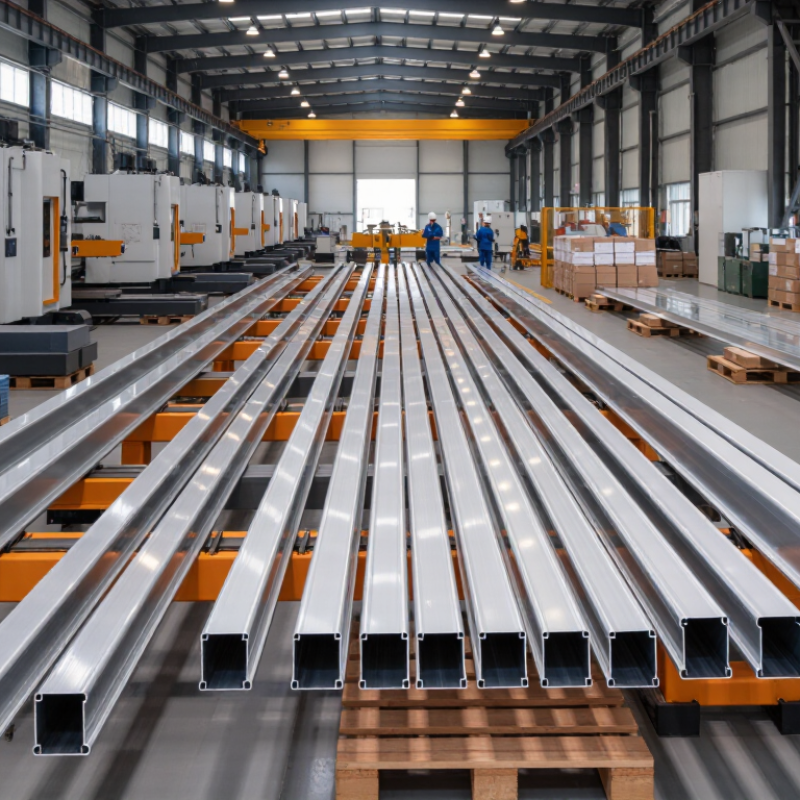
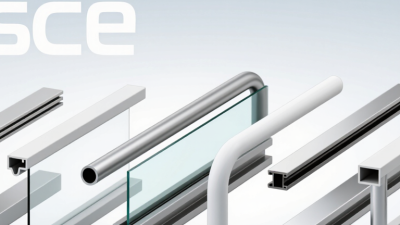
Aluminum railing extrusions are shaped profiles made by pushing heated aluminum billets through a precision die. The die creates the required cross-section, such as a handrail, post, base channel, or baluster. After extrusion, the profile is cooled, cut, and inspected for straightness and surface quality. This process produces consistent parts with less material waste than many alternative methods.
In railing projects, alloy selection matters. Common architectural alloys offer a useful balance of strength, corrosion resistance, and workability. Wall thickness also affects performance, especially around post connections and glass panels. A profile may look strong but perform poorly if its internal geometry is weak. That assumption can fail. Experienced fabricators check load requirements, span lengths, fastener positions, and local installation conditions before choosing an extrusion.
Surface treatment gives the railing its final appearance and added protection. Powder coating provides many color options, while anodizing creates a hard, metallic surface. Clean pretreatment is essential, because contamination can cause peeling or uneven color. During supplier evaluation, request dimensional drawings, alloy details, finish specifications, and quality records. Small variations can complicate assembly. I have seen attractive samples create problems when cut lengths and connector tolerances were ignored. A reliable supplier should discuss these practical details openly, not only present polished photographs. Extrusions should also arrive carefully packed, since scratches and bending may begin during transport.
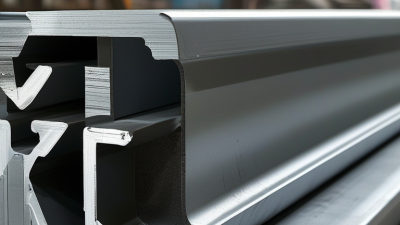
Chinese aluminum railing extrusion suppliers can offer strong value when projects require custom profiles, stable volume, and practical cost control. Their manufacturing networks support aluminum billet sourcing, die production, extrusion, cutting, drilling, and surface finishing in one supply chain. This can reduce coordination between separate vendors. In real projects, buyers often request a trial die before placing a larger order. A small sample may reveal wall-thickness issues, sharp edges, or fit problems early.
Technical capability matters more than a low quotation. Reliable suppliers should provide alloy options, dimensional tolerances, finish samples, and inspection records. Common checks include profile straightness, coating thickness, color consistency, and packaging strength. Powder coating and anodizing must suit the intended climate, especially near coastal areas. Clear drawings also help prevent errors in slot positions, corner joints, and handrail connections. These details affect installation speed.
Chinese suppliers can also support private specifications and mixed container orders. However, distance creates challenges. Time-zone delays, translation gaps, and changing production schedules can cause avoidable mistakes. No supplier is perfect. A polished sample does not guarantee every batch will match it. Buyers should confirm quality standards in writing, review pre-shipment photos, and use independent inspections when necessary. Transparent communication and traceable documents build more confidence than impressive promises. A careful supplier relationship still needs regular review.
When comparing China’s top aluminum railing extrusion suppliers, inspect the process behind the finished profile. Ask which alloys and tempers they regularly produce, such as 6063-T5 or 6063-T6. Request dimensional reports for wall thickness, straightness, and slot accuracy. A reliable supplier should explain die design, extrusion speed, cooling control, and cutting tolerances clearly.
Surface treatment deserves equal attention. Check powder-coating thickness, color consistency, adhesion testing, and corrosion-resistance records. Request batch traceability from billet intake to final packing. Certificates help, but they are not proof by themselves. A polished factory tour can still hide weak inspection practices. Review production samples, reject rates, and corrective-action reports instead. Small defects often become expensive installation problems.
Tips: Visit the facility if possible. Watch an extrusion run, not only a showroom demonstration. Compare three samples under natural light. Measure them with your own caliper. Ask for a small trial order before signing a large contract. Confirm monthly capacity, mold ownership, maintenance schedules, and backup equipment. Keep communication records. Some suppliers answer quickly but avoid technical details. That is a warning sign. Also, do not judge quality from appearance alone; inconsistent alloy hardness may only appear during drilling, fastening, or outdoor exposure.
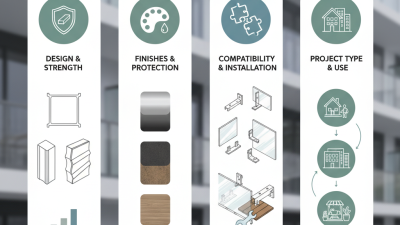
The chart presents a practical 100-point evaluation framework for aluminum railing extrusion suppliers. It focuses on measurable evidence such as material traceability, dimensional control, surface finishing, mechanical performance, corrosion testing, quality systems, and production capability.
Higher-weight categories should receive greater attention during supplier audits. Request verifiable records, including alloy and temper certificates, inspection reports, coating test results, production capacity data, and compliance documentation referencing applicable standards such as ASTM B221, EN 755, ISO 7599, ISO 9227, and ISO 9001.
For China aluminum railing extrusion suppliers, certifications should support safety, consistency, and traceability. ISO Survey 2022 recorded 1,265,216 ISO 9001 certificates worldwide. However, ISO 9001 controls processes, not railing strength. Ask for current certificates, audit scope, and the exact extrusion facility covered.
The profile material should meet ASTM B221 or the relevant EN standard for aluminum extrusions. Request alloy, temper, chemical analysis, dimensional inspection, and mill test reports for every production lot. For finished railings, structural testing should follow ASTM E935 or applicable local building codes. Test results should show concentrated loads, uniform loads, deflection, and permanent deformation. Do not accept a generic laboratory letter.
Powder coating claims also need evidence. AAMA 2603, 2604, or 2605 indicates different performance levels, while salt-spray results under ASTM B117 provide corrosion data. They do not replace field exposure judgment. The International Aluminium Institute reported about 70.6 million tonnes of primary aluminum production in 2023, making supply-chain traceability increasingly important. ISO 14001 can help verify environmental controls, and ISO 45001 supports worker-safety management. Still, certificates can be outdated, limited, or poorly understood. I would inspect batch labels, coating thickness records, packing photos, and an independent sample. A certificate is evidence, not proof of every shipment.
China Top Aluminum Railing Extrusion Suppliers?
Comparing Chinese aluminum railing extrusion suppliers requires more than checking a low quote. Request an itemized price for alloy grade, profile weight, surface finish, tooling, packing, and inland delivery. A cheaper profile may use thinner walls or exclude die costs. Ask for mill certificates, coating reports, sample photos, and recent project references. In sourcing work, a small sample order can reveal die accuracy, corner fit, and packaging discipline better than polished presentations. Samples can still mislead when production teams change.
Customization should begin with a controlled technical drawing. Specify wall thickness, length tolerance, hole positions, finish color, and assembly requirements. Confirm whether the supplier offers design support or only follows supplied files. Export capability matters equally. Check production lead times, container loading methods, moisture protection, customs documents, and agreed Incoterms. Ask how quality claims are handled after shipment. A clear process prevents expensive surprises.
Tips: Compare landed cost, not unit price. Use an independent pre-shipment inspection for larger orders. Test coating adhesion and profile dimensions. Keep communication in written records. Fast replies are useful, but technical answers matter more. I once underestimated packing quality; several long profiles arrived scratched despite excellent factory samples. That mistake changed my evaluation checklist. Some suppliers may resist detailed checks, which deserves careful reflection.
| Comparison Dimension | Entry-Level Export Profile | Standard OEM Profile | Mid-Range Custom Profile | Premium Project Profile | How to Evaluate |
|---|---|---|---|---|---|
| Typical extrusion price | US$3.20–4.20/kg | US$3.80–5.20/kg | US$4.60–6.50/kg | US$5.80–8.50/kg | Confirm alloy, temper, surface treatment, packaging, and Incoterm before comparing prices. |
| Common alloy and temper | 6063-T5 | 6063-T5 / 6063-T6 | 6063-T5 / 6061-T6 | 6063-T6 / project-specified alloy | Request a mill certificate and verify mechanical properties against the project specification. |
| Typical minimum order quantity | 500–1,000 kg | 1,000–3,000 kg | 2,000–5,000 kg | 5,000 kg or project-based | A lower MOQ may involve a higher tooling or setup charge. |
| Custom die charge | US$80–250 per die | US$120–400 per die | US$250–800 per die | US$500–1,500 per complex die | Ask whether the die cost is refundable after reaching an agreed purchase volume. |
| Standard profile availability | High | High | Medium to high | Project dependent | Confirm current inventory rather than relying only on a catalogue. |
| Profile length tolerance | Typically ±10 mm | Typically ±5–10 mm | Typically ±3–5 mm | Specified by approved drawing | Tolerance must be stated on the purchase order and inspection plan. |
| Available surface finishes | Mill finish, basic powder coating | Anodizing, powder coating, wood-effect coating | Multiple colors, anodizing, PVDF options | Project-matched coating system | Request coating thickness, color standard, gloss level, and warranty terms. |
| Indicative powder-coating surcharge | US$0.60–1.20/kg | US$0.80–1.60/kg | US$1.20–2.50/kg | US$2.00–4.00/kg | The final amount depends on color, pretreatment, coating standard, and order volume. |
| Engineering and drawing support | Basic drawing review | 2D drawing adaptation | 2D/3D design assistance | Full project engineering and sample validation | Check file formats, revision control, and whether engineering fees are included. |
| Sample lead time | 7–15 days | 10–20 days | 15–30 days | 20–45 days | Lead time normally includes die preparation, extrusion, finishing, and inspection. |
| Mass-production lead time | 20–30 days | 25–40 days | 30–50 days | 40–70 days | Confirm whether the schedule starts after deposit, drawing approval, or sample approval. |
| Quality documentation | Basic inspection report | Inspection report and mill certificate | Inspection plan, certificates, coating report | Full project quality dossier | Define inspection points, sampling frequency, and acceptance criteria in advance. |
| Pre-shipment inspection | Available at additional cost | Usually available | Usually included or negotiable | Normally required | Independent inspection is useful for large orders or first-time purchases. |
| Packaging options | Plastic wrapping and pallets | Protective film, cartons, pallets | Export cartons and reinforced pallets | Project-specific seaworthy packaging | Check protection against scratching, moisture, bending, and container movement. |
| Common export terms | EXW / FOB | FOB / CIF | FOB / CIF / DAP | CIF / DAP / project logistics | Compare landed cost, not only the factory price per kilogram. |
| Payment terms commonly offered | 30% deposit, 70% before shipment | 30% deposit, 70% before shipment | 30% deposit, balance before shipment or against documents | Negotiable for approved project buyers | Use written payment milestones linked to sample and inspection approval. |
| Export documentation | Commercial invoice, packing list, bill of lading | Standard documents plus certificate of origin when required | Standard documents, certificates, and inspection records | Complete project documentation package | Confirm destination-country customs and certification requirements before ordering. |
| Best suited for | Small standard-profile orders | Regular OEM purchasing | Customized residential and commercial projects | Large projects with strict technical requirements | Select the profile according to technical risk, order volume, and required service level. |
Note: The figures above are indicative China export-market benchmark ranges for aluminum railing extrusion orders. Actual quotations vary according to aluminum price, alloy, profile weight, order quantity, tooling complexity, surface finish, packaging, destination, and Incoterms. Request a written quotation with identical specifications before making a supplier comparison.