What Are the Top Aluminum Balustrade Profiles in 2026?
In 2026, the best Aluminum Balustrade Profiles are not simply the slimmest or most modern-looking. They are the profiles that suit the building, withstand daily use, and can be installed with care. Architect Louis Sullivan’s principle, “form follows function,” offers a useful test: a clean outline matters, but so do stiffness, drainage, fixings, and maintenance access.
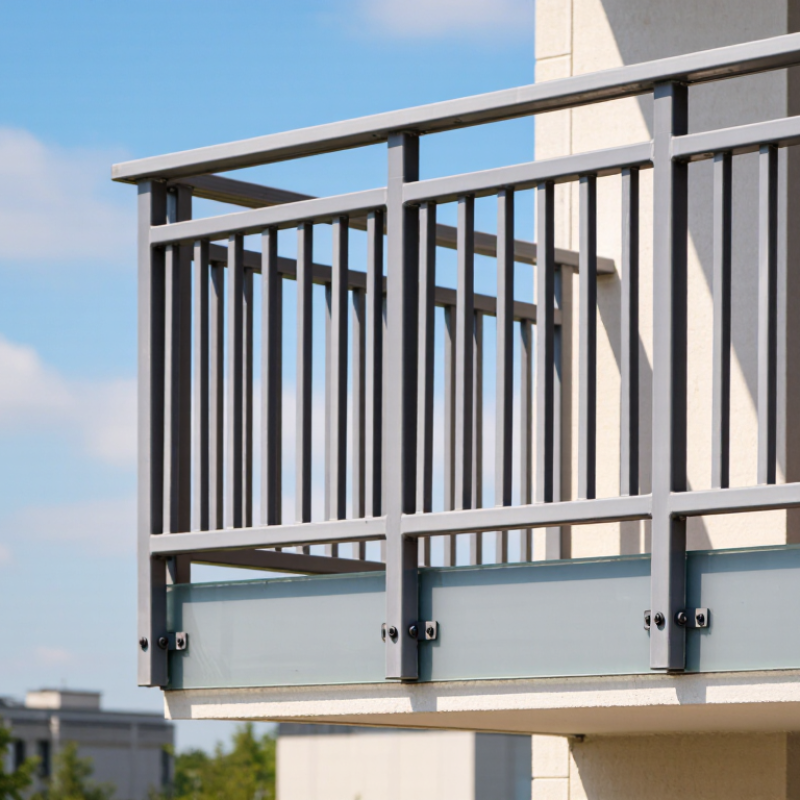
Small details matter. A square post can create a crisp balcony edge, while a rectangular rail may feel more comfortable beneath the hand. Slim picket systems preserve an open view; glass-channel profiles keep sightlines clearer but require precise panel alignment. Top and bottom rails, corner posts, end caps, and concealed brackets also affect the finished appearance. A sample in your hand often reveals what a drawing cannot: the edge feels sharp, the coating looks different in daylight, or a joint interrupts the line. There is no perfect section.
This guide compares the profile types commonly considered for residential and commercial projects in 2026. It looks at appearance, practical installation details, durability, and suitability for different settings. Selection should also account for spans, expected use, finish requirements, and locally applicable building criteria. Ask manufacturers for current technical data, installation guidance, and finish documentation rather than relying on a product photo alone. A polished render is not proof of performance. And even a well-chosen profile can disappoint if its connections are poorly detailed. The sections ahead provide a grounded starting point, not a substitute for project-specific review.
What Aluminum Balustrade Profiles Are and How They Are Classified
An aluminum balustrade profile is an extruded section used to form a railing’s frame or support its infill. It is not a complete balustrade system by itself. A typical assembly may include rails, vertical posts, connectors, and glass, bars, or panels. Details matter.
Profiles are commonly classified by their position and job. Top and bottom rail profiles cap a run or hold infill in place. Post profiles support the railing at corners and along longer spans. Infill-support profiles, including channels and glazing shoes, help retain panels. Some sections also conceal fixings, though their appearance varies.
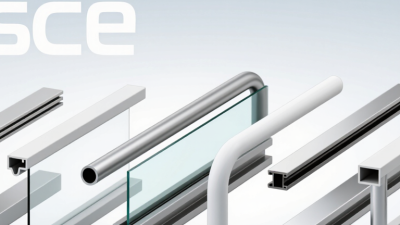
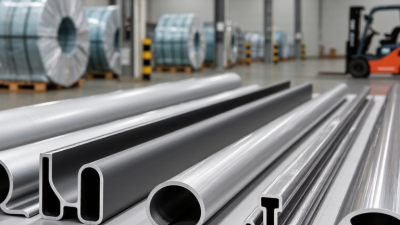
A second classification looks at cross-section: square, rectangular, round, T-shaped, or U-shaped profiles are common examples. Slotted and hollow sections serve different fixing and routing needs. The right shape depends on the infill, span, connection method, and desired finish—not appearance alone. On site, a small mismatch between a glass edge and channel can complicate installation. Fit comes first.
Classification is not always tidy. A rail may also act as an infill holder, and suppliers may use different names for similar sections. Check dimensions, wall thickness, connection details, and finish specifications against the project drawings. A profile that looks suitable in a catalog still needs to match the intended assembly.
Which Aluminum Balustrade Profile Types Lead the Market in 2026
What Are the Top Aluminum Balustrade Profiles in 2026?
Which Aluminum Balustrade Profile Types Lead the Market in 2026
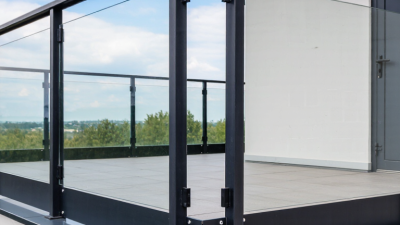
Glass-channel profiles, vertical-picket systems, and modular post-and-rail designs remain prominent choices for 2026 projects. Glass channels create open views, especially on balconies and stair landings. Their slim base profiles hold glass panels in a neat, continuous line. Picket systems offer a familiar look and allow airflow, while modular rails suit projects needing straightforward installation. Clean lines sell. Yet appearance alone does not make a profile suitable.
Demand often favors profiles that balance visual lightness with practical strength. For glass systems, buyers should check panel compatibility, drainage, and how installers can access fixings. Picket designs need consistent spacing and carefully finished edges. Modular systems can simplify adjustments, but connectors must match the rail dimensions and intended loads. A common specification mistake is choosing a narrow profile before confirming spans and site conditions. It can look elegant on paper and feel wrong once installed.
Tips: Compare profile drawings, material thickness, finish details, and compatible components before ordering. Ask how corners, stair angles, and water drainage are handled. Confirm that the proposed system suits the project’s required loads and local building requirements. Small details matter. A sample corner or short rail section can reveal rough edges, awkward joints, or a finish that differs from expectations.
What Are the Top Aluminum Balustrade Profiles in 2026?
Common profile families compared by typical application breadth. This is a qualitative editorial index, not sales data or market share; profile choice depends on design, loading, building regulations, and installation requirements.
Post-and-rail systems suit a wide range of layouts. Glass base shoes support glass-panel designs, while baluster, handrail, and bottom-rail profiles serve specific infill and finishing needs. Scores indicate relative application breadth only; they do not represent measured 2026 market rankings.
How Profile Design Affects Strength, Safety, and Durability
What Are the Top Aluminum Balustrade Profiles in 2026?
How Profile Design Affects Strength, Safety, and Durability
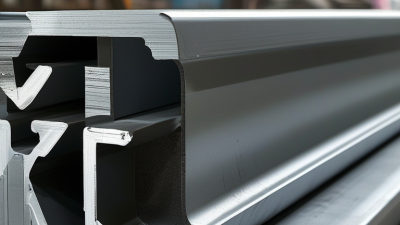
In 2026, the best balustrade profile is not simply the thickest one. Closed rectangular posts can resist twisting better than thin, open channels. T-slot profiles can make infill attachment easier, but their joints need careful design. The Aluminum Association’s Aluminum Design Manual (2020) assesses members for strength, stability, and deflection. Shape matters where rails meet corners or span wide openings.
Connections matter just as much as the visible profile. In the United States, OSHA’s workplace guardrail rules specify a 200-pound top-rail load and a 150-pound midrail load. These are workplace benchmarks, not universal residential requirements. A sturdy post can still fail at its base plate or anchors. Small details matter. Salt spray, trapped water, and damaged finishes can also shorten service life, especially around cut edges.
Tips: Compare the profile’s wall thickness, internal reinforcement, and tested connection details—not just its outer dimensions. Ask how the system handles drainage and replacement of damaged parts. A deeper section may look reassuring, but without sound fixings, that reassurance can be misplaced.